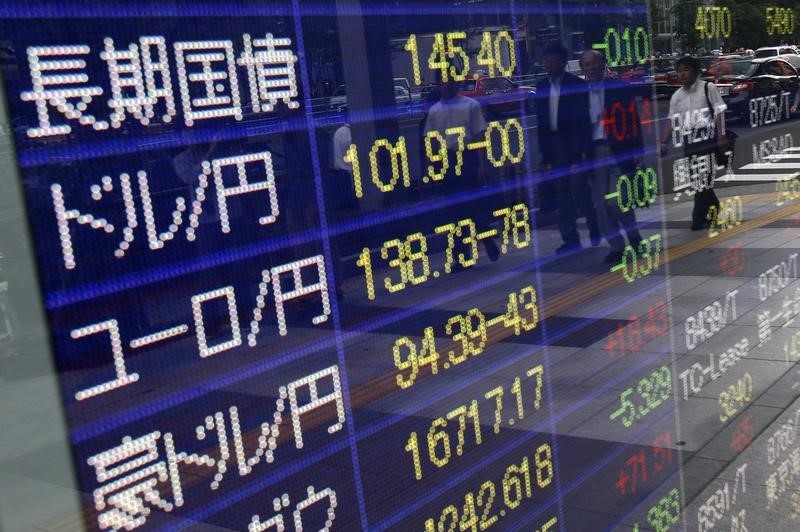
Asia stocks dither as Iran rules out direct ceasefire talks, reviewing US proposal
Asia stocks dither as Iran rules out direct ceasefire talks, reviewing US proposal
Asia Stocks Dither as Iran Rules Out Direct Ceasefire Talks, Reviewing US Proposal
Asian stock markets traded in a narrow range on Wednesday as investor sentiment was weighed down by geopolitical uncertainty after Iran ruled out direct ceasefire negotiations while indicating it would review a proposal put forward by the United States. The mixed signals from Tehran left traders reluctant to make decisive moves, with major indices across the region fluctuating between modest gains and losses throughout the session. Japan's Nikkei 225 edged lower, while Hong Kong's Hang Seng Index and China's Shanghai Composite both traded flat as market participants adopted a wait-and-see approach.
Iran's foreign ministry issued a statement confirming that the country would not engage in face-to-face talks with opposing parties but acknowledged that it was examining the details of a US-brokered proposal. The announcement injected fresh uncertainty into already fragile global markets that have been closely tracking developments in the Middle East. Analysts noted that the rejection of direct dialogue, while not entirely unexpected, dampened hopes for a swift resolution to the conflict and raised concerns about the potential for further escalation in the region.
Energy markets reacted to the news with oil prices ticking higher on supply disruption fears, adding another layer of complexity for Asian economies that are heavily reliant on crude imports. The uptick in oil prices put additional pressure on equity markets across the region, particularly in energy-importing nations such as Japan and South Korea. Safe-haven assets including gold and the US dollar saw increased demand as investors sought shelter from the heightened geopolitical risks.
Market strategists cautioned that the uncertain diplomatic landscape could keep Asian stocks range-bound in the near term, with traders likely to remain on the sidelines until greater clarity emerges on the trajectory of ceasefire negotiations. "The fact that Iran is reviewing the proposal rather than outright rejecting it leaves a sliver of hope, but markets need something more concrete before committing to a direction," said one Hong Kong-based analyst. Investors will also be watching upcoming economic data releases and central bank commentary for additional cues as the week progresses.