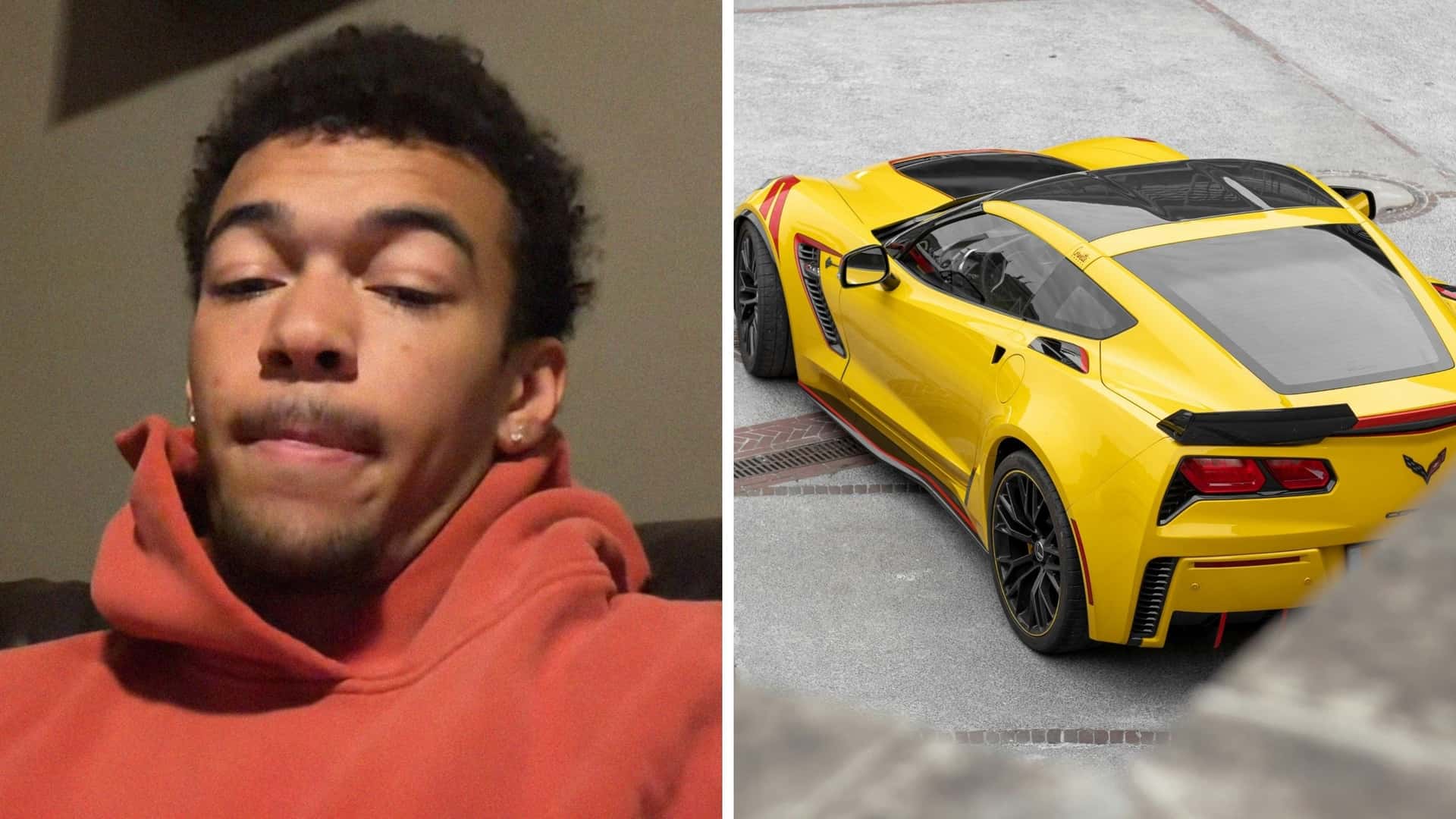
Corvette Seller Scammed After Buyer Drives Off Without Paying: How to Protect Yourself
A man selling his Corvette was the victim of theft when the "buyer" drove off with it. It's a documented problem. Here's how to protect yourself from theft.
A man traveled from out of state to Chicago hoping to close a $60,000 deal on his prized Corvette, only to become the latest victim of a brazen car sale scam. The so-called buyer requested a test drive, got behind the wheel, and simply never came back — leaving the seller stranded without his car or his money.
The incident has drawn widespread attention after details emerged that the victim, who had no way to leave the scene, was forced to call an Uber to get to a bank — a bank he no longer had any reason to visit. The story quickly went viral, with many expressing outrage but few expressing surprise.
Vehicle theft disguised as a private car sale is a growing and well-documented problem across the United States. Scammers typically pose as serious buyers, build enough trust to get behind the wheel during a supposed test drive, and then flee. High-value vehicles like sports cars and luxury SUVs are frequent targets due to their resale and parts value on the black market.
Law enforcement officials say these crimes are difficult to prosecute quickly because the stolen vehicles are often transported across state lines or broken down for parts within hours. Victims are frequently left navigating a complex web of insurance claims, police reports, and civil legal action with little guarantee of recovering their property.
Experts and seasoned private sellers recommend several precautions to avoid falling victim to similar schemes. Always verify a buyer's identity before agreeing to meet, and never allow a test drive without holding a copy of the buyer's driver's license and proof of insurance. Some sellers recommend requiring a deposit or proof of funds before allowing anyone behind the wheel.
Meeting at a secure, public location — such as a police station parking lot — is another strategy that has gained popularity. Many police departments across the country have designated safe exchange zones specifically for high-value transactions. Additionally, sellers should consider having a friend or family member present during any meeting with a stranger.
For those selling vehicles online through platforms like Facebook Marketplace or Craigslist, digital safety measures also matter. Reverse-search buyer profiles, avoid sharing your home address, and be wary of buyers who seem overly eager or who push to skip standard steps in the transaction process.
The Chicago incident serves as a stark reminder that private vehicle sales, while financially rewarding, carry real risks. Sellers are urged to treat every transaction with caution, regardless of how legitimate a buyer may initially appear.