Dow CEO Says Iran Conflict Will Drive Petrochemical Prices Higher Through 2026
Dow chair and CEO Jim Fitterling estimates unwinding the shortages could take up to 275 days.
Dow CEO: "The die is cast" from Iran war for high petrochemical prices through the end of 2026
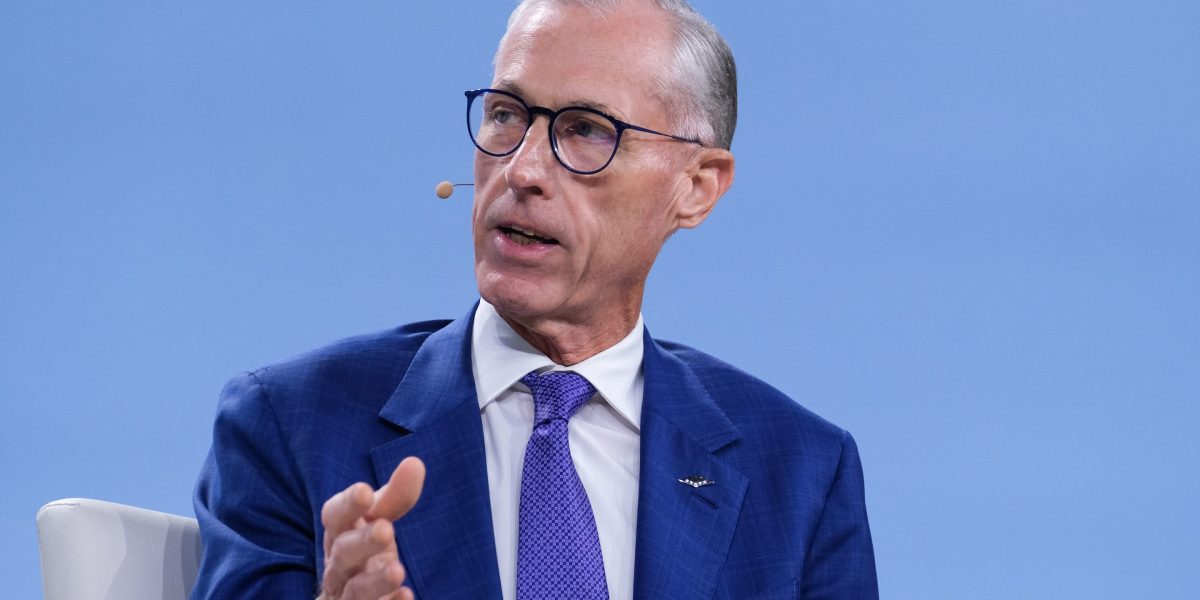
Dow Inc. Chairman and CEO Jim Fitterling warned investors and industry stakeholders this week that the ongoing conflict with Iran has already locked in elevated petrochemical prices that will persist through at least the end of 2026. Speaking at an industry conference, Fitterling used blunt language to describe the supply situation, declaring that "the die is cast" and that market participants should plan accordingly for a prolonged period of high input costs and constrained feedstock availability.
Fitterling estimated that unwinding the shortages created by the disruption to Middle Eastern petrochemical infrastructure and crude oil supply chains could take up to 275 days even after hostilities cease. That timeline reflects the complexity of restarting idled production facilities, rebuilding damaged infrastructure, and restoring shipping routes through the Strait of Hormuz, which remains a critical chokepoint for global energy and chemical trade. Dow, one of the world's largest chemical manufacturers, has already begun adjusting its operational planning to account for the extended disruption.
The comments sent ripples through the broader chemicals sector, with analysts noting that Fitterling's assessment was among the most specific and sobering from any major industry executive. Petrochemical prices have surged since the conflict escalated, driven by reduced output from Iranian facilities and uncertainty surrounding supply from neighboring Gulf producers. Industry groups have echoed concerns that downstream manufacturers in plastics, packaging, agriculture, and construction will face significant margin pressure as costs remain elevated well into next year.
Fitterling said Dow is taking steps to diversify its feedstock sourcing and accelerate investments in alternative supply arrangements to mitigate the impact on its global operations. He urged policymakers to consider the cascading economic effects of prolonged supply disruptions, noting that petrochemicals underpin roughly 96 percent of all manufactured goods. With no clear end to the conflict in sight, Fitterling's 275-day estimate has become a benchmark for an industry bracing for an extended period of volatility and elevated costs.