Federal Court Rules Sports Prediction Markets Are Swaps, Shielding Them From State Gambling Laws
Court rules US preempts states from applying gambling laws to prediction markets.
A federal court has ruled that sports bets placed on prediction markets qualify as financial "swaps" under federal law, a landmark decision that effectively shields these platforms from state gambling regulations across the United States.
The ruling determines that federal law preempts individual states from applying their gambling statutes to prediction markets, a decision that could reshape the rapidly growing landscape of event-based trading platforms operating in the country.
Prediction markets allow participants to buy and sell contracts tied to the outcome of real-world events, including sports contests. Proponents have long argued these platforms function more like financial instruments than traditional gambling operations, and the court's decision lends significant legal weight to that position.
The classification of these contracts as swaps brings them under the jurisdiction of the Commodity Futures Trading Commission rather than state gaming authorities, a shift that operators say will provide greater regulatory clarity and allow them to expand their services without navigating a patchwork of inconsistent state laws.
State regulators and gambling authorities are expected to push back against the ruling, arguing that it undermines their authority to protect consumers and maintain oversight of wagering activity within their borders. Several states have already signaled they may pursue legislative or legal remedies in response.
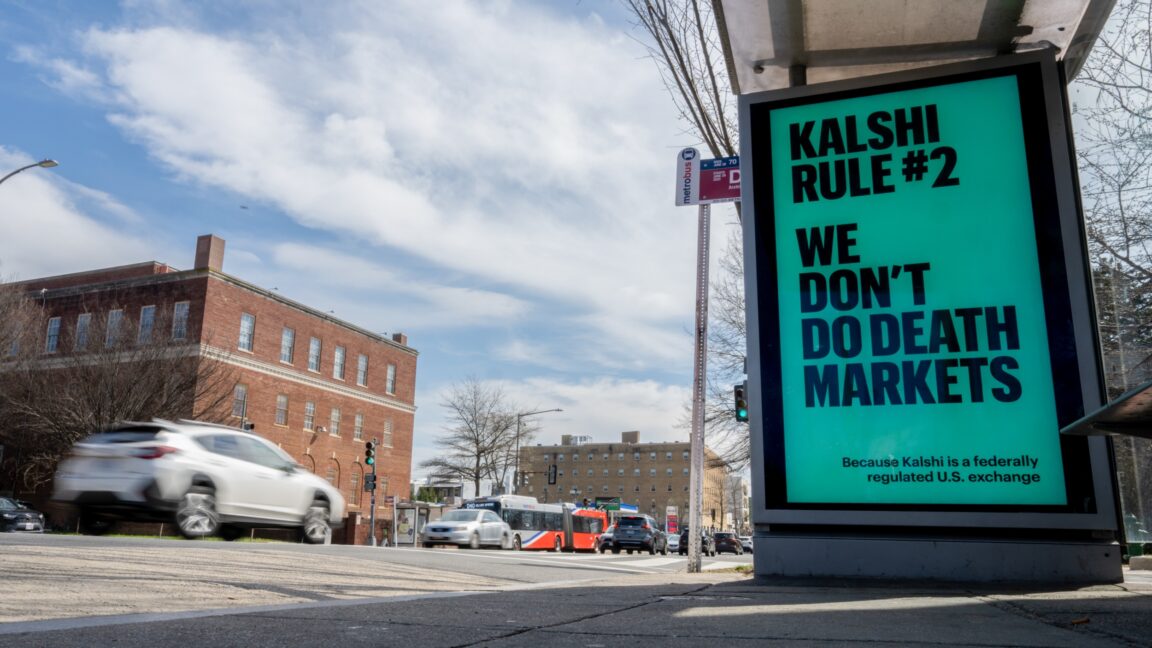
The decision arrives at a critical moment for the prediction market industry, which has seen explosive growth following the legalization of sports betting in numerous states. Platforms such as Kalshi and others stand to benefit significantly from the federal preemption established by the court.
Legal experts say the ruling will almost certainly face appeals, and the ultimate resolution may require intervention from higher courts or even Congress to settle the boundary between federal commodities law and state gambling authority.