Light Rail Across Lake Washington Could Transform Seattle Into a World-Class Transit City
It’s taken 10 years and almost $4 billion. But light rail across Lake Washington should finally open on Saturday. For riders, that means shorter commutes and faster trips to the airport, sporting events, and parks. But economists say the impact could go much …
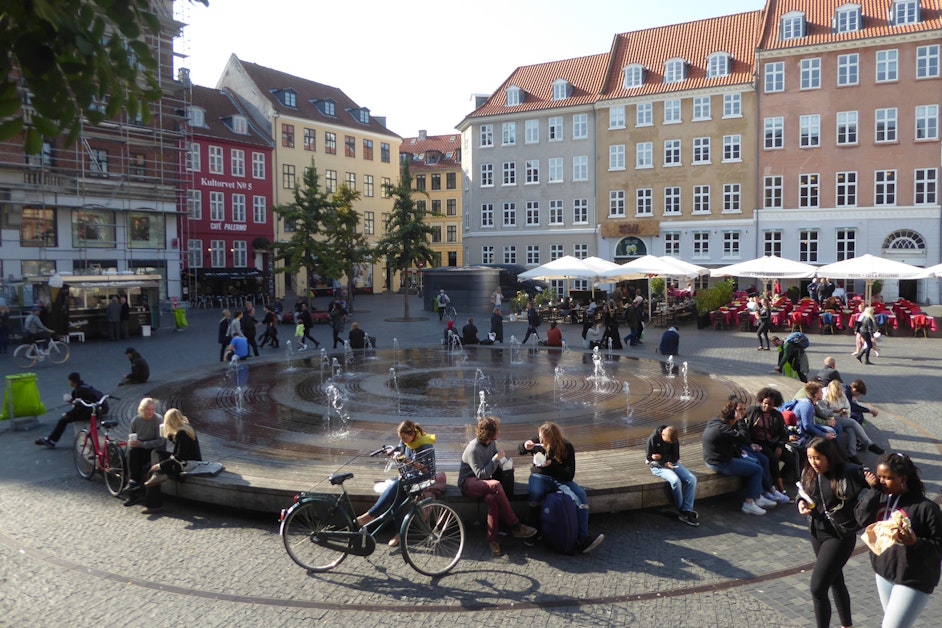
Could light rail across Lake Washington turn Seattle into the next Copenhagen?
It's taken 10 years and almost $4 billion. But light rail across Lake Washington should finally open on Saturday, marking one of the most significant expansions of public transit in the Pacific Northwest's history. The East Link Extension, stretching from downtown Seattle across the iconic floating bridge to the rapidly growing cities of Bellevue and Redmond, will connect the region's two largest economic hubs by rail for the first time. For the hundreds of thousands of commuters who have long endured gridlocked traffic on Interstate 90 and State Route 520, the opening represents a transformative shift in how people move through the Seattle metropolitan area.
For riders, the benefits are immediate and tangible. Commutes that once stretched to an hour or more by car during peak traffic could be reduced to roughly 25 minutes by train. Travelers on the Eastside will gain a direct connection to Sea-Tac International Airport without needing to navigate congested highways or pay for parking. Sports fans heading to events at Lumen Field or T-Mobile Park, and outdoor enthusiasts bound for trailheads and waterfront parks, will find the new line opens up options that previously required a car. Sound Transit expects the extension to carry tens of thousands of riders daily once the system reaches full ridership projections, easing pressure on some of the most congested corridors in the state.
But economists say the impact could go much deeper than simply reducing commute times. Urban planners and transit researchers point to cities like Copenhagen, which invested heavily in rail infrastructure over decades and saw dramatic shifts in development patterns, housing density, and quality of life as a result. Already, billions of dollars in commercial and residential development have clustered around planned station areas in Bellevue and Redmond, reshaping once car-dependent suburban downtowns into walkable urban centers. Economists at the University of Washington estimate that property values near East Link stations have risen significantly in anticipation of the opening, and they predict the corridor will continue attracting dense, mixed-use development that fundamentally changes the character of the Eastside.
Still, challenges remain before Seattle can claim a spot alongside Europe's transit-forward cities. The region's light rail network, while growing, is still far smaller than systems in Copenhagen, Amsterdam, or Stockholm, and future expansion phases face rising construction costs and political headwinds. Affordable housing advocates warn that without deliberate policy interventions, transit-driven development could accelerate displacement of lower-income residents near station areas. And convincing drivers to leave their cars behind in a region with deeply ingrained car culture will take more than a single rail line. Nevertheless, Saturday's opening represents a bold step forward, and for many in the Puget Sound region, it signals that Seattle is finally building the kind of transit infrastructure that could reshape the city for generations to come.