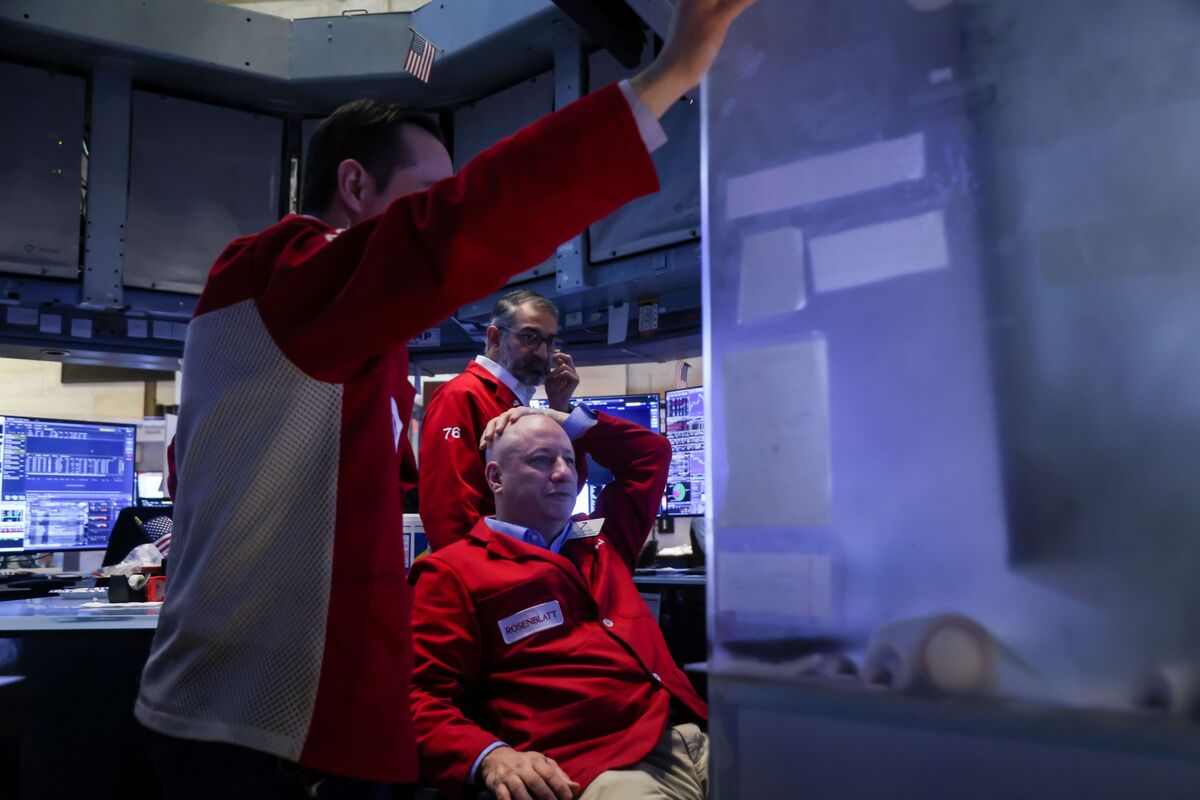
Trader Anxiety Hits All-Time High as Iran War Fears Send Market Volatility Indicator Soaring
Investors wary of being wrong-footed by twists and turns in the Iran war are trading stocks at a record pace, one market measure shows.
A key measure of investor anxiety has surged to a record high as escalating conflict involving Iran sends shockwaves through global financial markets, prompting traders to move stocks at an unprecedented pace.
The so-called 'freak out' indicator, which tracks the velocity and volume of stock trading activity during periods of uncertainty, has never been higher, according to market data. Analysts say the reading reflects deep unease among institutional and retail investors alike about the unpredictable trajectory of the conflict.
Traders appear particularly fearful of being caught off guard by sudden geopolitical developments. The war's rapid and unexpected twists and turns have made traditional risk models difficult to rely upon, forcing market participants to adjust their positions more frequently than at any point in recent history.
Equity markets have experienced sharp intraday swings in recent sessions, with major indexes fluctuating dramatically on news headlines related to the conflict. Oil prices have also spiked, adding another layer of complexity for portfolio managers trying to hedge their exposure.
Strategists warn that the record anxiety reading could be a precursor to broader market instability if the conflict deepens or spreads to involve other regional powers. Some hedge funds have reportedly reduced their overall market exposure and moved into traditional safe-haven assets such as gold and U.S. Treasury bonds.
Despite the turbulence, some analysts caution against reading too much into short-term volatility indicators. They argue that markets have historically recovered relatively quickly following geopolitical shocks, provided the disruptions do not cause lasting structural damage to global trade or energy supply chains.
For now, investors remain on high alert, watching diplomatic developments as closely as economic data. The record anxiety indicator serves as a stark reminder that when geopolitics collides with financial markets, uncertainty itself becomes the dominant market force.