Trump Administration Reverses Course on Offshore Wind Leases in Major Policy Shift
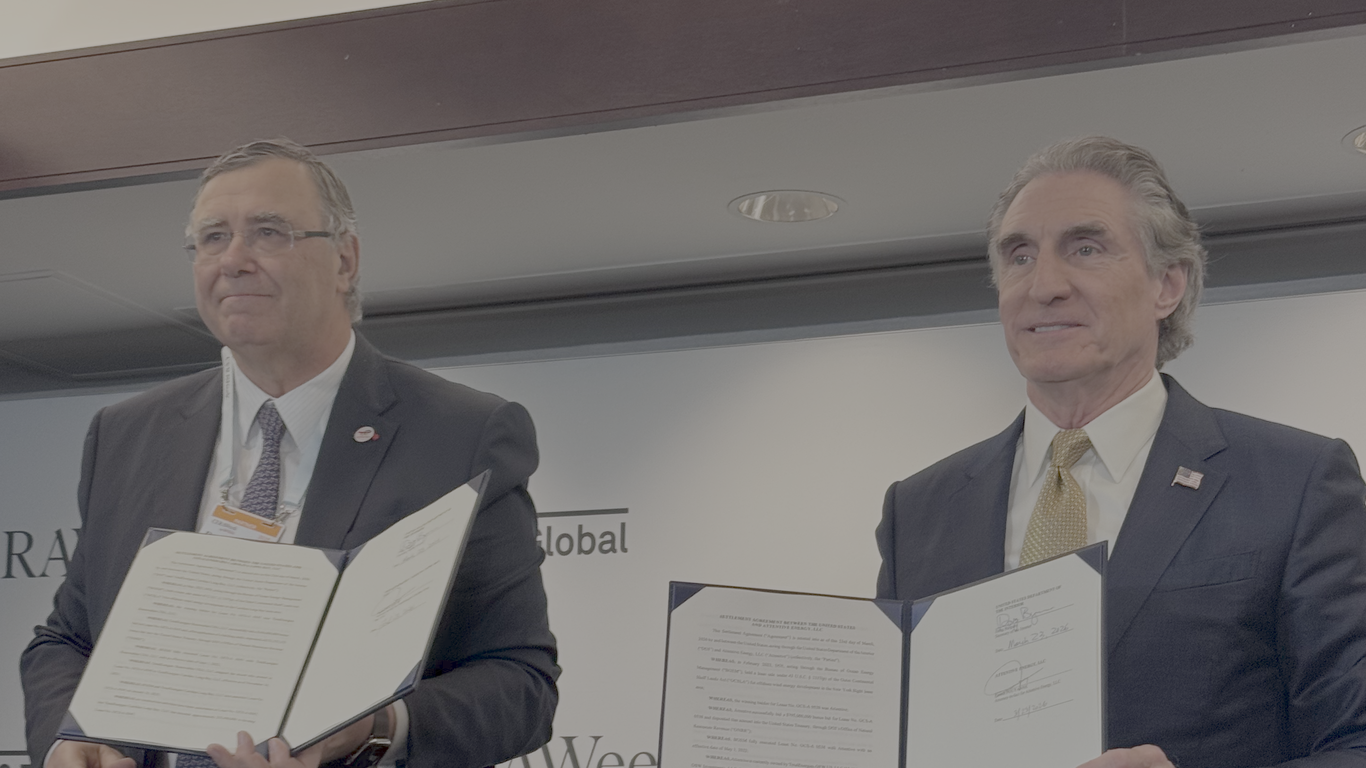
The cancellation of federal offshore wind leases marks an unusual alignment between government and a private company.
Trump admin pivots on offshore wind leases in big shift
The Trump administration announced this week that it would cancel several federal offshore wind leases along the Atlantic coast, marking a dramatic reversal in U.S. energy policy and signaling the government's deepening skepticism toward renewable energy development. The Bureau of Ocean Energy Management confirmed the cancellations, which affect lease areas that had been awarded to developers during the previous administration. The move represents one of the most significant actions taken against the offshore wind industry since President Trump returned to office pledging to halt wind energy projects.
The decision has drawn attention for its unusual alignment with the interests of at least one private energy company that had been seeking to exit its offshore wind commitments amid rising costs and supply chain challenges. Industry observers noted that the federal cancellation effectively relieved the company of contractual obligations it had been struggling to meet, raising questions about whether the policy shift was driven purely by ideological opposition to wind energy or whether corporate lobbying played a role. The convergence of government action and private interest has prompted calls for greater transparency around the decision-making process.
Environmental groups and clean energy advocates responded with sharp criticism, arguing that the cancellations will set back the nation's climate goals and cost coastal communities thousands of anticipated jobs. Several state attorneys general have signaled they may pursue legal challenges, contending that the administration overstepped its authority by voiding legally binding lease agreements. Supporters of offshore wind development also warned that the move sends a chilling message to international investors who had committed billions of dollars to building out America's nascent offshore wind supply chain.
Administration officials defended the cancellations by citing concerns over environmental impacts to marine life, potential harm to the fishing industry, and what they described as the economic impracticality of offshore wind projects. Energy industry analysts, however, remain divided on the long-term implications, with some predicting the decision could be reversed by a future administration and others suggesting the uncertainty may permanently damage investor confidence in the sector. The cancellations leave the future of American offshore wind development deeply uncertain at a time when European and Asian nations continue to expand their own capacity.