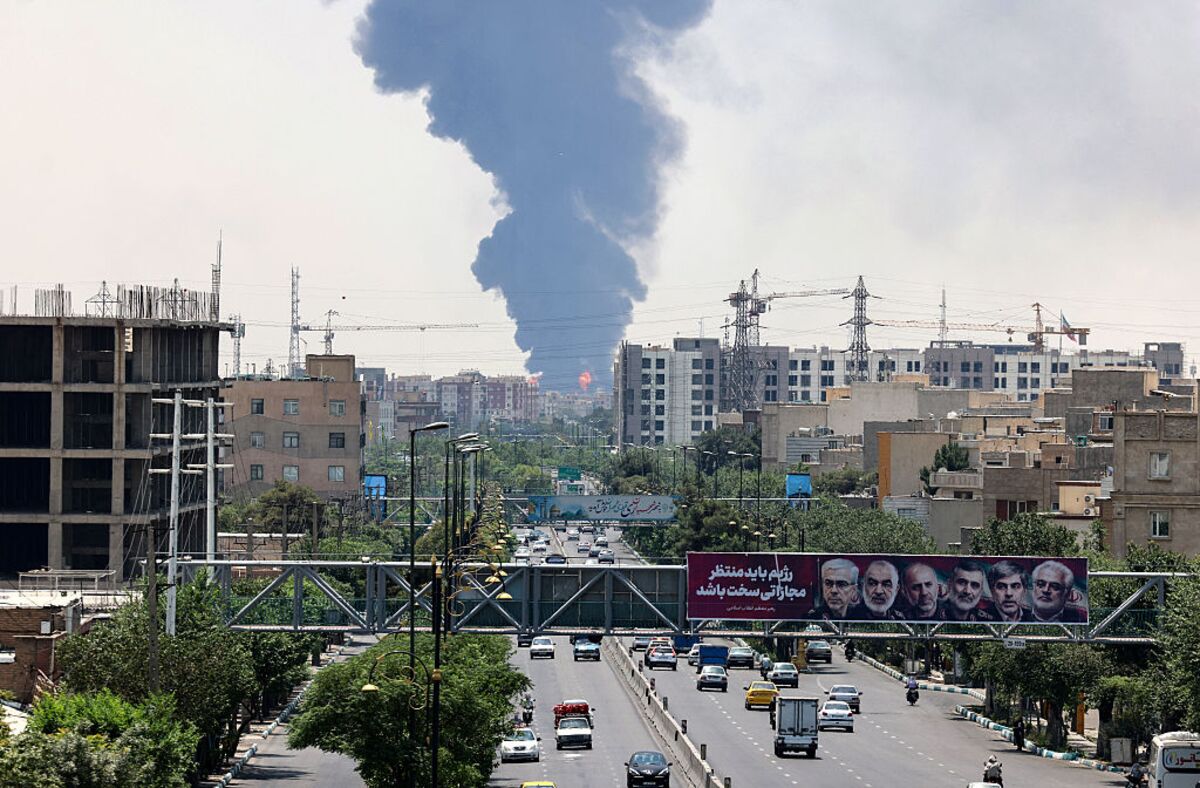
Wall Street Doubles Down on Bargain Stocks Amid Escalating Conflict
The war in Iran may be showing few signs of easing, but Wall Street strategists are encouraging investors to start buying stocks again.
Wall Street Says Stocks Are Too Cheap to Ignore as War Rages On
Despite the ongoing conflict in Iran continuing to rattle global markets and fuel uncertainty across the geopolitical landscape, a growing chorus of Wall Street strategists is urging investors to look past the turmoil and begin snapping up equities. Major investment banks and financial advisory firms have released a wave of bullish notes in recent days, arguing that stock valuations have fallen to levels that are simply too attractive to pass up. The message from some of the most influential voices in finance is clear: the risk of staying on the sidelines now outweighs the risk of jumping back in.
The war in Iran has sent shockwaves through energy markets and triggered a broad sell-off in equities over recent weeks, with the S&P 500 dropping significantly from its recent highs. Oil prices have surged as supply disruptions and geopolitical fears continue to dominate headlines. Yet strategists at firms including Goldman Sachs, JPMorgan, and Morgan Stanley have pointed out that corporate earnings remain resilient, balance sheets are healthy, and many sectors are now trading at steep discounts relative to their historical averages.
Analysts note that previous geopolitical crises, including past conflicts in the Middle East, have historically presented buying opportunities for patient investors. Data shows that markets have tended to recover within months of major military escalations, with those who bought during periods of peak fear often reaping substantial returns. Strategists caution that volatility is likely to persist in the near term but argue that a longer-term perspective favors accumulation at current price levels.
Not everyone on Wall Street shares the optimistic outlook, however. Some risk analysts warn that the situation in Iran remains highly unpredictable and could escalate further, potentially dragging global economies into a prolonged downturn. Rising oil prices, inflationary pressures, and the possibility of broader regional destabilization remain key concerns. Still, the prevailing sentiment among many top strategists is that the market has already priced in much of the worst-case scenario, making now a compelling time for investors with a tolerance for short-term pain to begin rebuilding their equity positions.