War Clouds Darken US Economy as Recession Fears Mount
Wall Street is cutting its forecasts for the US economy this year, boosting its projections for inflation and unemployment and nudging up the odds of a recession as the impact of the Iran war starts to come into view.
US Recession Risks Begin to Rise as War Dims Economic Outlook
Wall Street is cutting its forecasts for the US economy this year, boosting its projections for inflation and unemployment and nudging up the odds of a recession as the impact of the Iran war starts to come into view. Major financial institutions including Goldman Sachs, JPMorgan Chase, and Morgan Stanley have all revised their GDP growth estimates downward in recent weeks, citing the mounting costs of military engagement and the ripple effects spreading through global energy markets. Economists now see a growing probability that the United States could tip into a contraction within the next twelve months, with some firms placing recession odds as high as 35 percent.
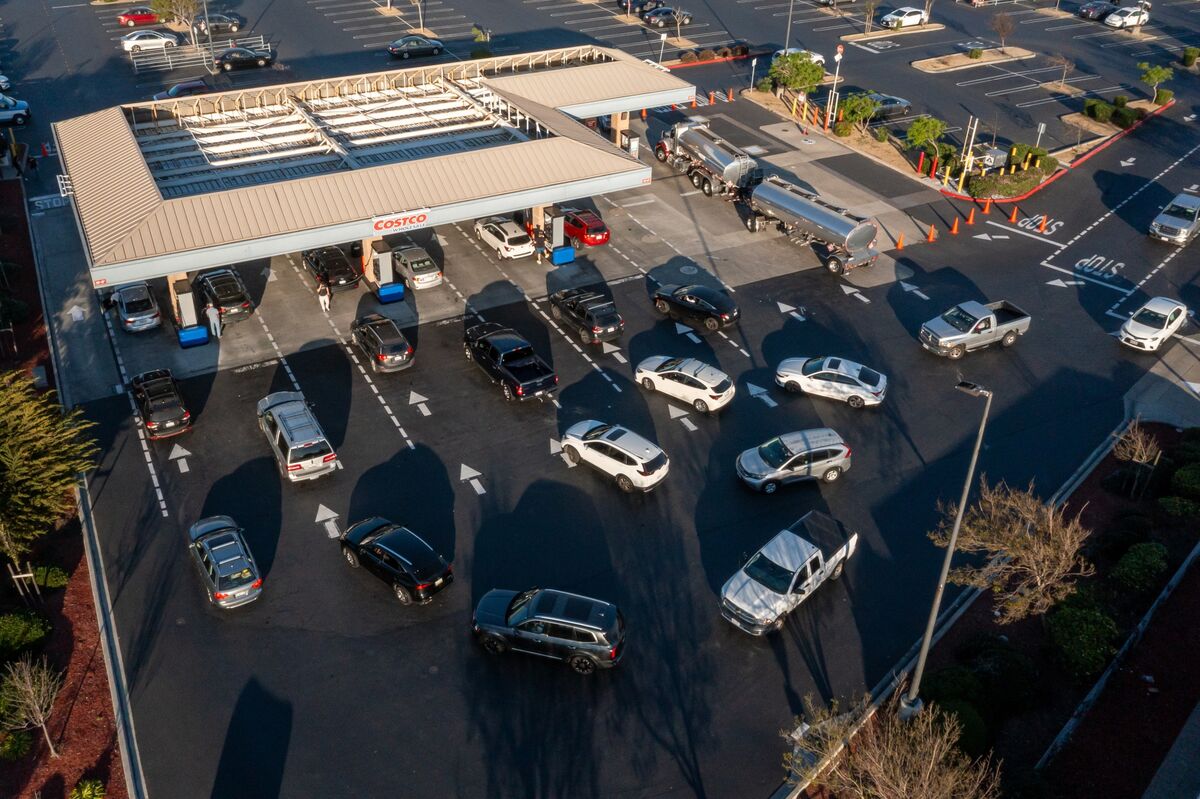
The conflict has sent oil prices surging past $120 per barrel, adding fresh inflationary pressure to an economy that was already grappling with elevated consumer prices. Rising energy costs are expected to squeeze household budgets and erode consumer spending, which accounts for roughly two-thirds of US economic output. Analysts warn that the Federal Reserve now faces an even more difficult balancing act, as persistent inflation could prevent the central bank from cutting interest rates even if the labor market begins to soften and growth slows meaningfully.
The labor market, which had remained a bright spot in the economic picture, is also showing early signs of strain. Several major employers in the manufacturing and retail sectors have announced hiring freezes, while weekly jobless claims have ticked upward for three consecutive weeks. Economists at Bank of America now project the unemployment rate could climb to 4.5 percent by year-end, up from their previous estimate of 4.1 percent, as businesses grow more cautious about expansion amid rising uncertainty.
Despite the darkening outlook, some analysts caution that a recession is far from inevitable. Consumer balance sheets remain relatively healthy, corporate earnings have held up better than expected, and government defense spending could provide a short-term boost to certain sectors of the economy. However, the longer the conflict persists and energy prices remain elevated, the greater the risk that the cumulative drag on growth becomes too severe for the economy to absorb without a more significant downturn.