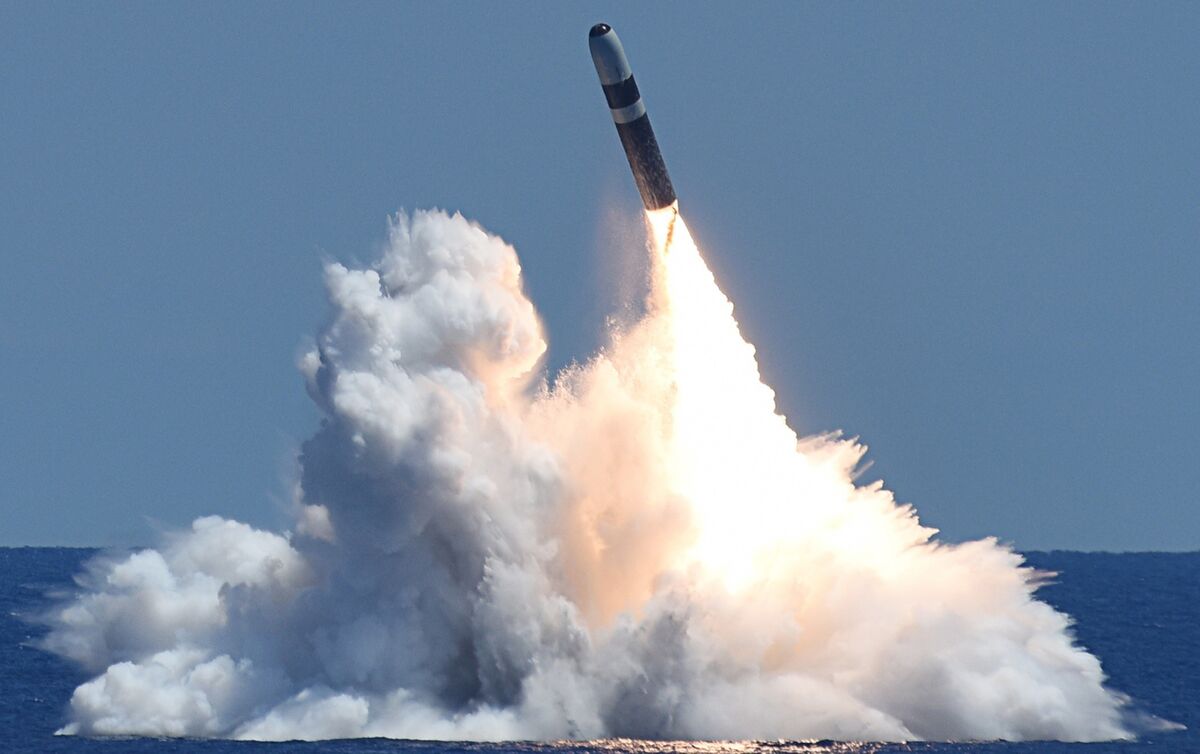
A New Nuclear Age Looms as War With Iran Escalates
Donald Trump’s willingness to attack adversaries while rattling allies is threatening to push the world into a new nuclear age.
The War With Iran May Be Ushering in a New Nuclear Age
The escalating conflict between the United States and Iran has raised alarm bells among nuclear security experts who warn that the confrontation could trigger a dangerous new era of nuclear proliferation. As military strikes intensify and diplomatic channels narrow, nations across the Middle East and beyond are watching closely, recalculating their own security needs in a world where the rules of engagement appear to be shifting rapidly. The crisis has reignited long-dormant debates about whether countries can rely on international agreements and alliances for their protection or whether they must take matters into their own hands.
President Donald Trump's aggressive posture toward adversaries, combined with his unpredictable approach to traditional alliances, has created a climate of profound uncertainty on the global stage. Longstanding partners in Europe and Asia have found themselves questioning the reliability of American security guarantees, while adversaries have drawn their own conclusions about the necessity of possessing a nuclear deterrent. Trump's withdrawal from the Iran nuclear deal in 2018 and subsequent maximum pressure campaigns signaled to many nations that negotiated agreements offer little lasting protection, potentially incentivizing the pursuit of nuclear weapons as the only credible guarantee of sovereignty.
The ripple effects are already visible across the Middle East, where Saudi Arabia has openly discussed developing its own nuclear capabilities, and other regional powers are quietly exploring their options. Beyond the region, countries in East Asia and Eastern Europe are reassessing their defense postures in light of what they perceive as an increasingly transactional and unreliable American foreign policy. Analysts warn that if Iran moves closer to a nuclear weapon as a result of the conflict, it could set off a cascade of proliferation that would fundamentally reshape the global security landscape.
Arms control advocates say the world stands at a critical inflection point, one not seen since the height of the Cold War. The architecture of nonproliferation treaties and diplomatic norms that has constrained nuclear ambitions for decades is under severe strain, and without a renewed commitment to diplomacy, the international community risks sleepwalking into an era defined by nuclear competition rather than cooperation. Whether this moment becomes a turning point toward greater instability or a catalyst for renewed diplomatic efforts will depend largely on the choices made in Washington, Tehran, and capitals around the world in the weeks and months ahead.