
Groundbreaking Cancer Therapy Shows Promise for Multiple Sclerosis
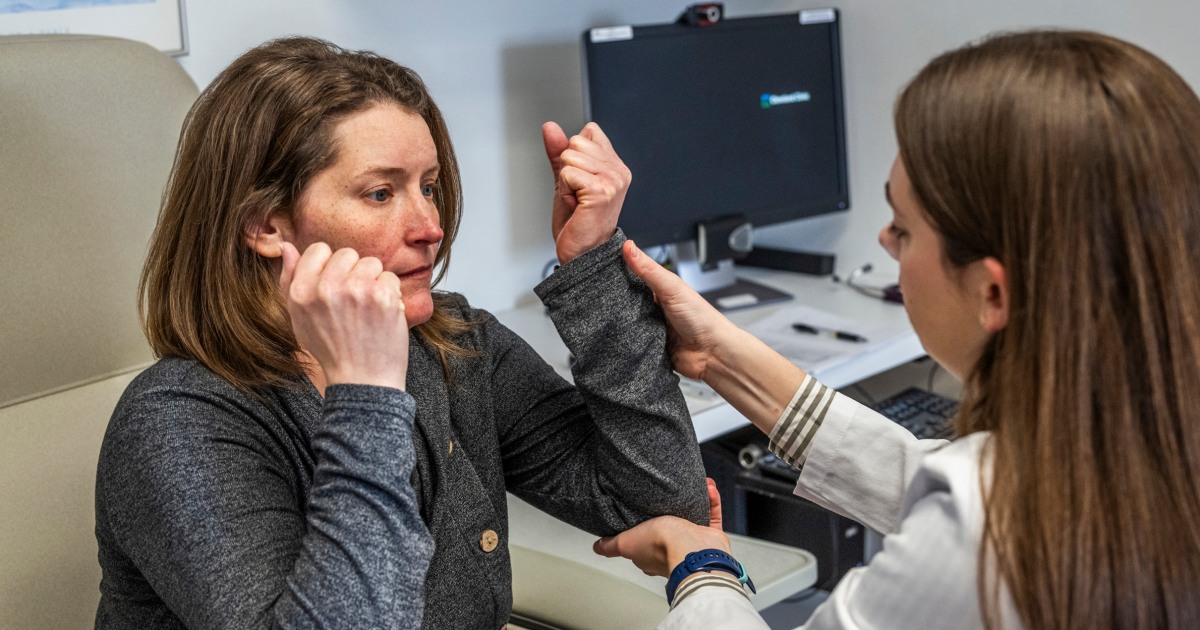
Grace Miller was a 24-year-old law school student when she was diagnosed with multiple sclerosis
Can a groundbreaking cancer therapy help people with multiple sclerosis?
Grace Miller was a 24-year-old law school student when she was diagnosed with multiple sclerosis, a devastating autoimmune disease that attacks the protective covering of nerve fibers in the brain and spinal cord. What began as occasional numbness and tingling in her hands quickly progressed to debilitating fatigue, vision problems, and difficulty walking. After years of trying conventional treatments with limited success, Miller became one of a growing number of MS patients turning to a revolutionary approach borrowed from the world of cancer treatment: CAR-T cell therapy, which reprograms a patient's own immune cells to target and eliminate the rogue cells responsible for the disease.
The therapy, which has already transformed outcomes for patients with certain blood cancers, works by extracting a patient's T cells, genetically engineering them in a laboratory to recognize specific targets, and then infusing them back into the body. Researchers have now adapted this approach for autoimmune conditions like multiple sclerosis, directing the modified cells to attack the B cells that mistakenly assault the body's own nervous system. Early clinical trials at several major medical centers have shown remarkable promise, with some patients experiencing significant reductions in disease activity and even reversal of certain symptoms that were previously considered permanent.
Medical experts are cautiously optimistic about the potential of CAR-T therapy for MS patients, though they stress that the treatment is still in its experimental stages. The procedure carries significant risks, including severe immune reactions and increased vulnerability to infections during the period when the immune system is rebuilding itself. The cost of CAR-T therapy, which can exceed hundreds of thousands of dollars for cancer patients, also raises questions about accessibility and insurance coverage should it eventually receive approval for autoimmune conditions.
For Miller, who enrolled in a clinical trial after exhausting other options, the results have been life-changing. Within months of receiving the treatment, she reported dramatic improvements in her energy levels, mobility, and overall quality of life. While researchers caution that long-term data is still needed to fully understand the durability and safety of the therapy, stories like Miller's are fueling hope among the nearly one million Americans living with multiple sclerosis that a groundbreaking new treatment option may soon be within reach.