NASA Artemis II Crew Makes History in Lunar Flyby, Breaking Apollo 13 Record
The Artemis II astronauts have broken a record set by NASA's Apollo 13 astronauts. Once they arrive at the moon late Monday, the crew will loop about 4,000 miles from the lunar surface.
NASA's Artemis II crew is making history today as the four astronauts complete a dramatic flyby of the moon, surpassing a record previously held by the Apollo 13 crew and marking a major milestone in humanity's return to lunar exploration.
The crew broke the distance record set by the Apollo 13 astronauts, who swung around the moon in April 1970 during their emergency abort mission. The Artemis II team has now traveled farther from Earth than any humans before them, underscoring the significance of this mission in the annals of space exploration.
Arriving at the moon late Monday, the Artemis II astronauts will loop approximately 4,000 miles from the lunar surface. The flyby is designed to test the Orion spacecraft's systems and the crew's readiness ahead of future missions that aim to land astronauts back on the moon for the first time since Apollo 17 in 1972.
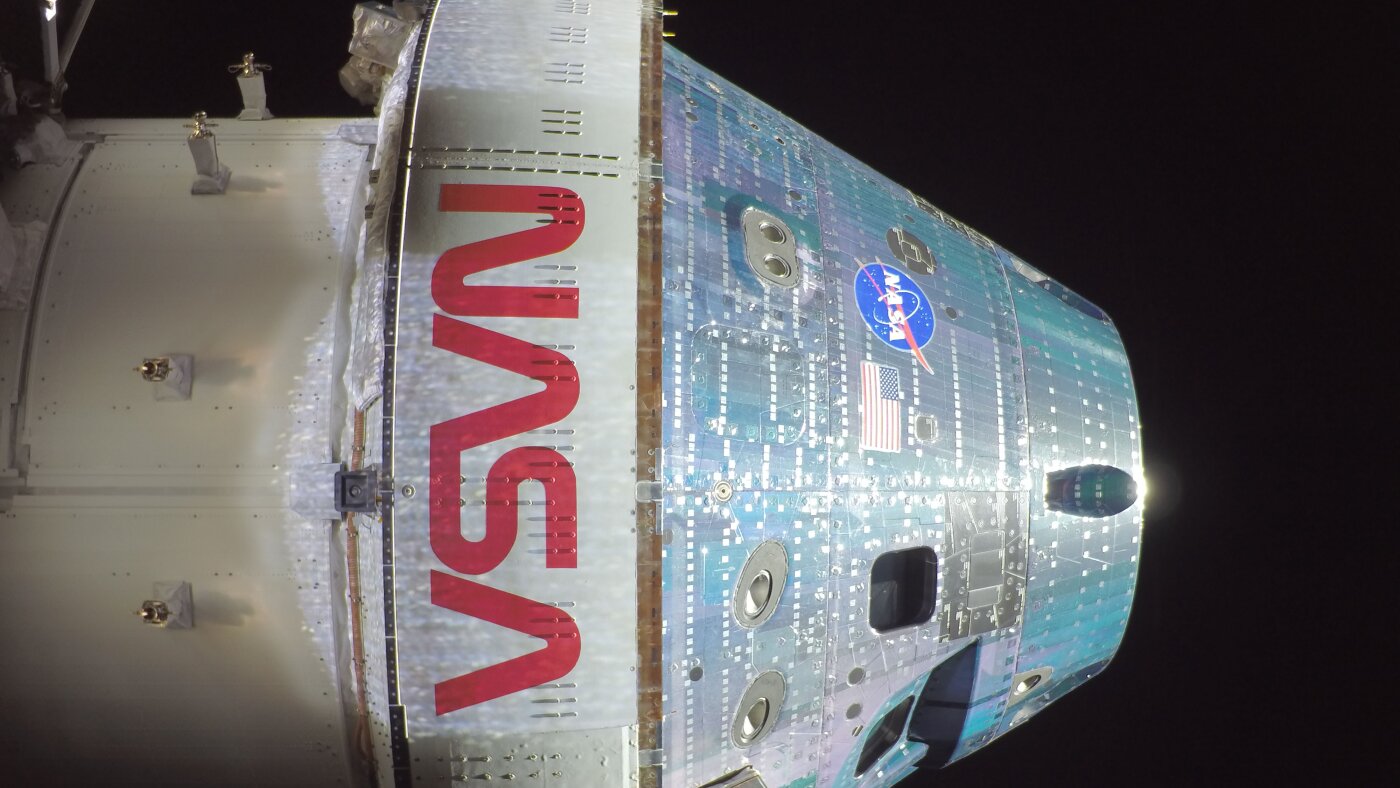
The Artemis II mission carries four crew members aboard NASA's Orion spacecraft, launched atop the powerful Space Launch System rocket. The mission represents the first crewed lunar flyby in more than 50 years and serves as a critical stepping stone toward NASA's broader Artemis program goals, which include establishing a sustained human presence on and around the moon.
NASA has been livestreaming the mission, allowing the public to witness the historic journey in real time. Viewers around the world have tuned in to watch as the crew maneuvers through cislunar space, offering stunning views of both Earth and the moon from aboard the Orion capsule.
The mission is expected to last approximately ten days in total before the crew splashes down in the Pacific Ocean. Scientists and engineers at NASA's Johnson Space Center are monitoring all spacecraft systems closely, gathering invaluable data that will inform the design and planning of Artemis III, which aims to put boots back on the lunar surface.