NASA Curiosity Rover Discovers Dragon Scale Rock Formation on Mars, Hinting at Ancient Water
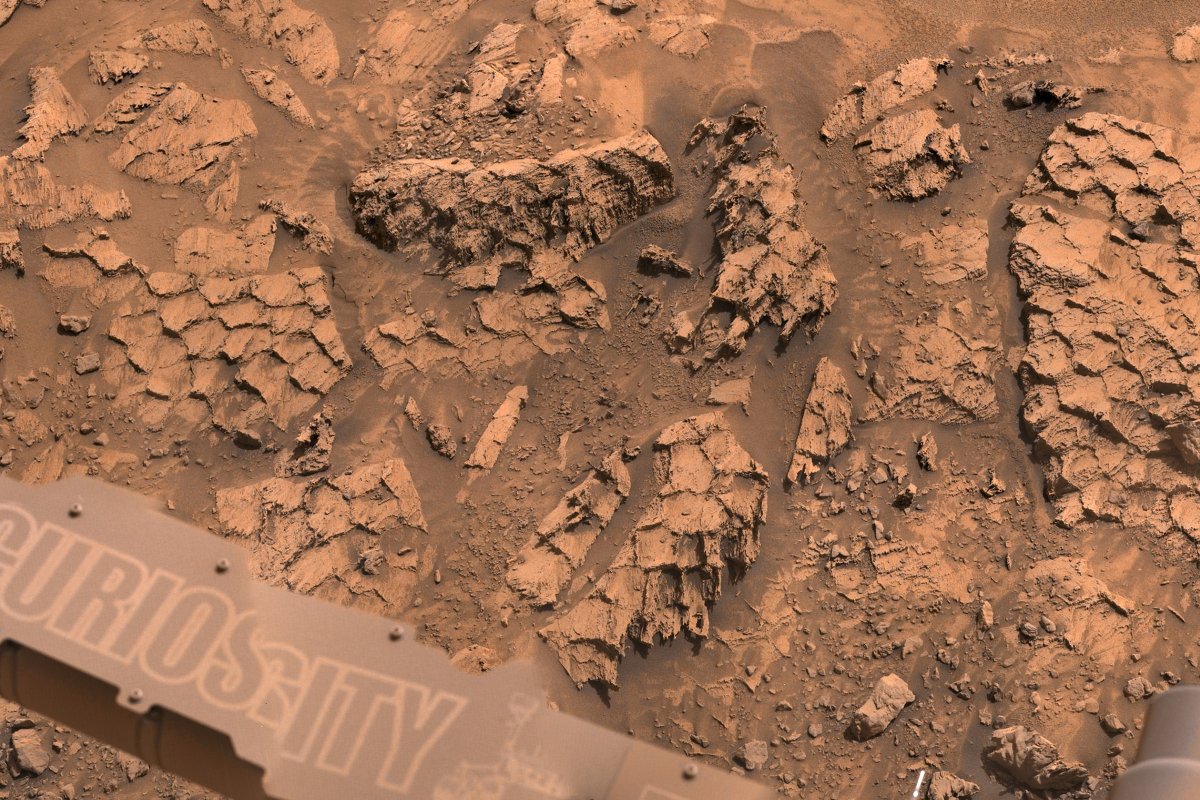
NASA's Curiosity Rover discovered a large cluster of polygonal rocks on the planet of Mars, which may indicate evidence of water.
NASA's Curiosity Rover has made a striking discovery on the surface of Mars, encountering a sprawling cluster of polygonal rocks that bears an uncanny resemblance to the scales of a giant reptile. The unusual formation has captured the attention of scientists and space enthusiasts alike, sparking renewed excitement about the red planet's geological history.
The hexagonal and multi-sided rock patterns were photographed by Curiosity as it continued its ongoing exploration of the Martian surface. Scientists at NASA's Jet Propulsion Laboratory are now analyzing the images to better understand how the formation came to be and what it might reveal about Mars's ancient past.
According to researchers, polygonal rock formations like this one are often associated with the presence of water. On Earth, similar patterns form when wet sediment dries out and contracts over time, creating a network of cracks that result in the distinctive scale-like appearance. This process, known as desiccation cracking, is a well-documented geological phenomenon.
If the same mechanism is responsible for the Martian formation, it could serve as yet another piece of evidence suggesting that liquid water once existed on the surface of Mars. The implications of such a finding are significant, as water is considered a fundamental prerequisite for life as we know it.
Curiosity has been exploring Mars since its landing in 2012, and over the years it has uncovered numerous signs that the planet was once far more hospitable than it is today. Previous discoveries have included ancient riverbeds, lake sediments, and minerals that typically form in the presence of water.
Scientists caution that further analysis is needed before drawing definitive conclusions about the origin of the polygonal formation. However, the discovery adds to a growing body of evidence that Mars once harbored the conditions necessary to support microbial life, making the search for biosignatures on the planet an increasingly compelling scientific pursuit.