Trump Slams Iran Over Strait of Hormuz Standoff as Ceasefire Frays
The fragile ceasefire agreement was tested again on Friday after Iran refused to reopen the Strait of Hormuz. Israel and Hezbollah traded strikes in Lebanon, and Kuwait was attacked with drones.
President Donald Trump sharply criticized Iran on Friday, saying the country was doing 'a very poor job' after Tehran refused to reopen the Strait of Hormuz, one of the world's most critical shipping lanes. The remarks came as a fragile regional ceasefire faced mounting pressure from multiple flashpoints across the Middle East.
Iran's continued closure of the Strait of Hormuz has raised global alarm, with the waterway serving as a vital artery for roughly 20 percent of the world's oil supply. Trump's blunt assessment signaled growing frustration from Washington as diplomatic efforts to stabilize the region appeared to be stalling.
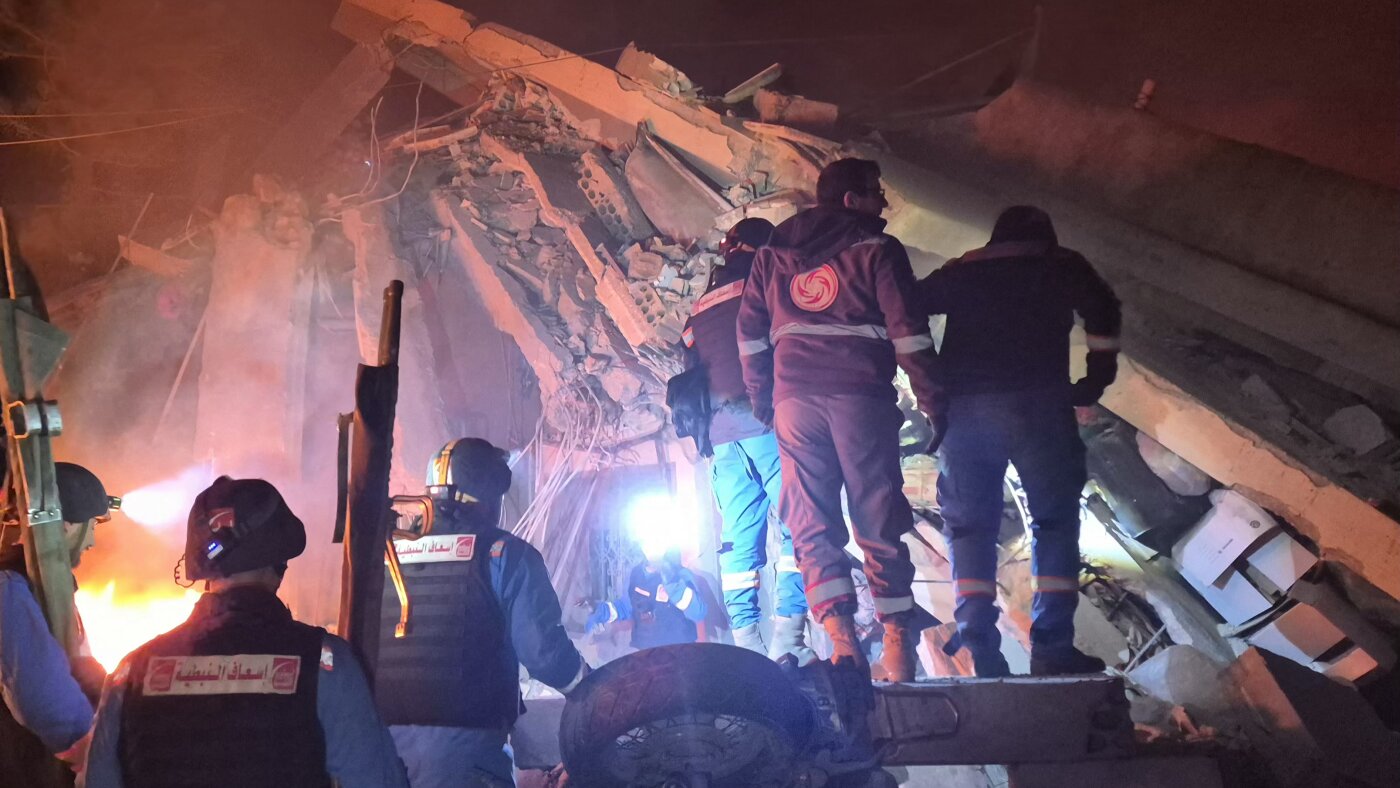
The ceasefire, already described as fragile by regional observers, was tested further as Israel and Hezbollah exchanged strikes in Lebanon. The renewed hostilities threatened to unravel weeks of diplomatic work aimed at containing the broader conflict and preventing a full-scale regional war.
Adding to the instability, Kuwait was struck by drones on Friday in an attack that has yet to be formally attributed. The assault on the Gulf state underscored how rapidly the conflict was spreading beyond its original boundaries and drawing in countries that had sought to remain on the sidelines.
Regional analysts warned that the convergence of crises — the blocked strait, renewed Lebanon fighting, and the attack on Kuwait — represented a dangerous escalation that could quickly overwhelm existing diplomatic frameworks. Oil markets reacted nervously to the developments, with prices edging higher on fears of prolonged supply disruptions.
The White House has not yet outlined specific consequences for Iran's refusal to reopen the Strait, but Trump's public comments suggested that patience in Washington was wearing thin. Administration officials were said to be weighing additional pressure options as the situation continued to deteriorate across the region.