
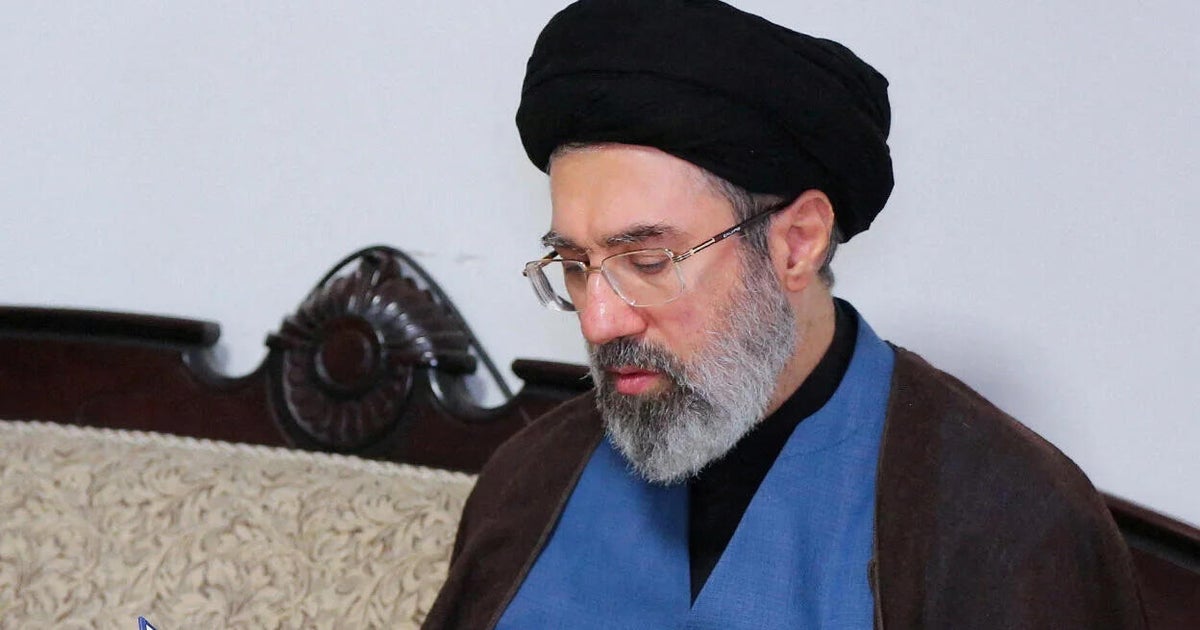
US Intelligence Reveals Iran's Late Supreme Leader Had Doubts About His Son's Rise to Power
U.S. intelligence has circulated to President Trump's inner circle that Iran's late supreme leader had misgivings about his son replacing him, viewing Ayatollah Mojtaba Khamenei as not very bright.
U.S. Intelligence Shows Iran's Late Supreme Leader Was Wary of His Son Taking Power, Sources Say
U.S. intelligence reports recently circulated among President Trump's inner circle reveal that Iran's late Supreme Leader Ayatollah Ali Khamenei harbored significant reservations about his son, Ayatollah Mojtaba Khamenei, succeeding him as the country's top leader. According to sources familiar with the intelligence, the elder Khamenei privately expressed doubts about his son's intellectual capabilities and questioned whether he possessed the qualities necessary to lead the Islamic Republic.
The intelligence assessments suggest that the late supreme leader viewed Mojtaba as not particularly bright and worried that installing him in the highest position of power could undermine the legitimacy and stability of Iran's clerical ruling system. Despite Mojtaba's growing influence within Iran's political and security apparatus over the years, his father reportedly remained unconvinced that hereditary succession was in the best interest of the regime, fearing it could draw comparisons to the monarchy that the 1979 Islamic Revolution sought to overthrow.
The circulation of this intelligence within Trump's inner circle comes at a critical time, as the administration closely monitors the power dynamics unfolding in Tehran. Understanding the internal divisions and vulnerabilities at the top of Iran's leadership structure is seen as essential to shaping U.S. policy toward the country, particularly as Washington continues to exert maximum pressure on the Iranian government through sanctions and diplomatic isolation.
Analysts say the intelligence could have significant implications for how the United States engages with Iran going forward. If Mojtaba Khamenei ultimately consolidates power despite his father's misgivings, it could signal a leadership that faces internal questions about its legitimacy from the very start. U.S. officials are reportedly weighing how to leverage this information as part of a broader strategy to address Iran's nuclear ambitions, its regional influence, and its support for proxy groups across the Middle East.