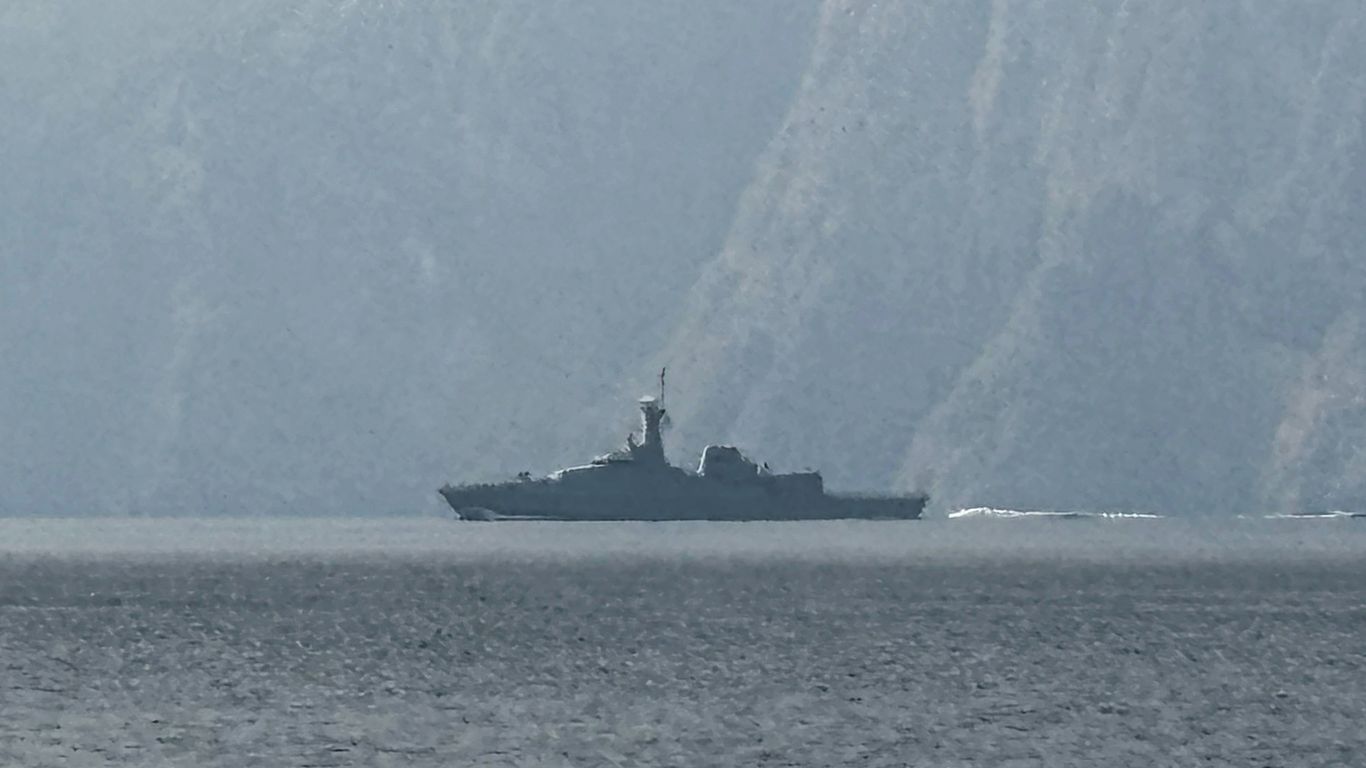
U.S. Warships Transit Strait of Hormuz Uncoordinated with Iran in Bold Show of Force
The crossing was not coordinated with Iran.
United States warships have crossed the Strait of Hormuz for the first time since the outbreak of hostilities with Iran, marking a significant escalation in the ongoing military standoff between the two nations.
The transit was conducted without coordination with Iranian authorities, a deliberate move that signals Washington's intent to assert freedom of navigation through one of the world's most strategically vital waterways.
The Strait of Hormuz, a narrow passage between Iran and Oman, serves as the gateway for roughly 20 percent of the world's oil supply. Control of, or disruption to, the strait carries enormous implications for global energy markets and international trade.
Pentagon officials have not publicly disclosed the exact number or class of vessels involved in the transit, but the move is being interpreted by military analysts as a direct challenge to any Iranian claims of dominance over the critical chokepoint.
The crossing comes amid heightened tensions following the start of the conflict with Iran, during which both sides have exchanged strikes and threatened further military action. Previous naval movements in the region had been more cautious, with commanders wary of provoking direct confrontation in such a confined and heavily armed theater.
Iran has long threatened to close the Strait of Hormuz in the event of a major conflict, a scenario that would send shockwaves through global oil markets. The uncoordinated U.S. transit appears designed to test and challenge the credibility of that threat.
Regional allies and global powers are watching the development closely, with energy markets already reacting to the news. Diplomatic efforts to de-escalate the broader conflict remain ongoing, though analysts warn that incidents at sea could rapidly accelerate tensions beyond the point of negotiation.