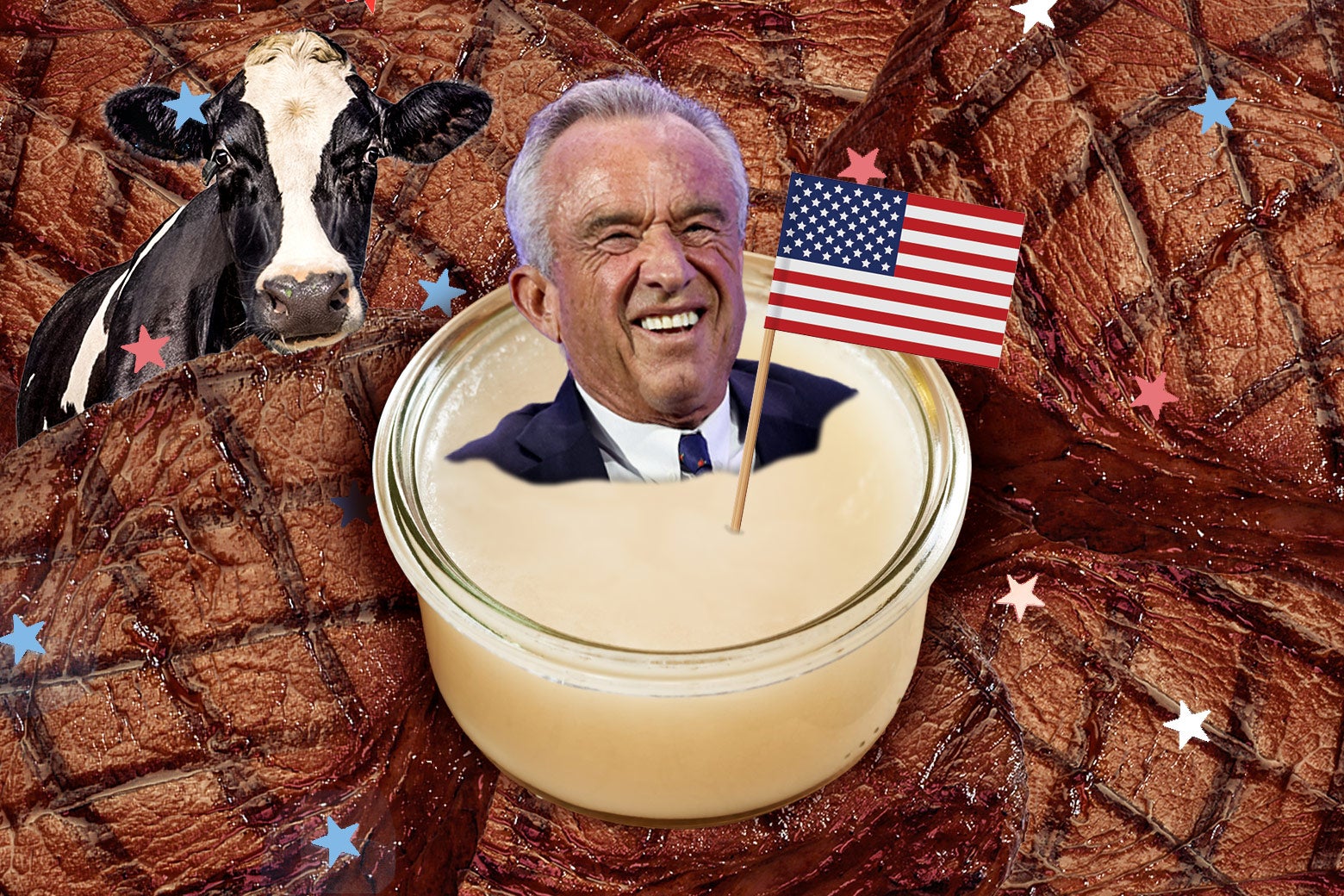
Beef Tallow Is Back and It Is Splitting the Country in Two
Robert F. Kennedy Jr. believes the science on beef tallow is wrong. There’s a much bigger issue at hand.
Beef tallow — the rendered fat of cattle that once greased the skillets of pioneer kitchens and fast food fryers alike — has made a dramatic comeback, and it has brought a culture war with it. What was once dismissed as an artery-clogging relic of a less health-conscious era is now being championed by wellness influencers, carnivore diet devotees, and, most prominently, Robert F. Kennedy Jr., the nation's top health official.
Kennedy has been vocal in his belief that the mainstream scientific consensus on saturated fats is fundamentally flawed, arguing that seed oils — not animal fats — are the true driver of America's chronic disease epidemic. His position has energized a growing movement of Americans who have swapped their vegetable oil for jars of rendered beef fat, convinced they have been lied to for decades.
To understand what all the fuss was about, I spent a week cooking exclusively with beef tallow. I fried eggs in it, roasted vegetables, seared steaks, and even attempted french fries. The results were, culinarily speaking, often remarkable. Food browned beautifully, flavors deepened, and the much-maligned greasiness that one might expect was largely absent. Whatever else tallow may be, it is genuinely effective in the kitchen.
But the question of whether it is good for you is considerably more complicated. Most mainstream nutritional bodies, including the American Heart Association, continue to recommend limiting saturated fat intake, citing its association with elevated LDL cholesterol and cardiovascular disease risk. The science here is not as settled as either side in this debate would have you believe, but it is also far from as discredited as Kennedy and his allies suggest.
What struck me most during my week of tallow cooking was not the food itself but the passionate certainty of those on both sides of the debate. Tallow advocates speak with the fervor of the newly converted, certain that industrial food systems and regulatory capture have hidden the truth from ordinary Americans. Critics, meanwhile, warn that dismantling decades of nutritional guidance based on social media trends and political agendas could cause genuine public health harm.
The tallow debate is, at its core, not really about fat at all. It is a proxy war over institutional trust — who gets to define what is healthy, whether government agencies and academic researchers can be believed, and how much authority figures like Kennedy should have in shaping national health policy. In that sense, tallow has become a surprisingly perfect symbol for this particular American moment.
There are legitimate questions worth asking about how nutritional science has been conducted and communicated over the past half century. Industry influence on dietary guidelines is a documented reality, and some researchers do argue that the demonization of saturated fat was premature. But legitimate scientific inquiry and the kind of sweeping, conspiratorial revisionism being promoted from the highest levels of government are very different things.
What Americans eat matters enormously, both individually and collectively. The tragedy of the tallow wars is that genuine nutritional complexity is being flattened into tribal allegiance, leaving most people no closer to understanding what they should actually put on their plate.