Cancer Cells' Misplaced Brain Receptors Expose a Hidden Autoimmune Defense
NMDAR expression is sufficient to induce B cell recruitment and affinity maturation, resulting in receptor-modulating antibodies that connect anti-cancer immunity and autoimmunity.
Ectopic NMDAR expression in cancer unmasks germline-encoded autoimmunity
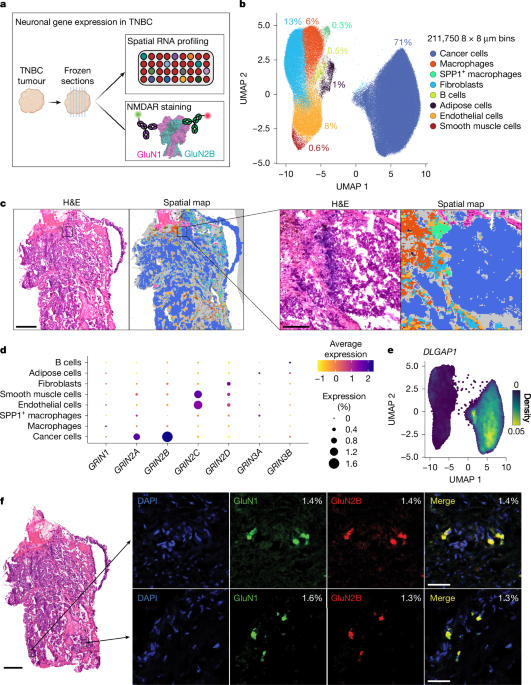
A groundbreaking study has revealed that the aberrant expression of N-methyl-D-aspartate receptors (NMDARs) on cancer cells is sufficient to trigger a robust autoimmune response, fundamentally linking anti-cancer immunity with autoimmune disease. NMDARs, traditionally associated with synaptic signaling in the central nervous system, are increasingly recognized as being ectopically expressed across a range of tumor types. Researchers have now demonstrated that this out-of-context expression serves as a potent immunological stimulus, activating B cells that produce antibodies capable of modulating receptor function. The findings suggest that the immune system harbors a pre-existing, germline-encoded capacity to recognize NMDARs when they appear outside their normal neuronal context.
The study showed that ectopic NMDAR expression in tumors is sufficient to induce B cell recruitment to the tumor microenvironment, where these immune cells undergo affinity maturation — a process by which antibodies are progressively refined to bind their target with increasing specificity and strength. This maturation process generates high-affinity, receptor-modulating antibodies that closely resemble those found in patients with anti-NMDAR encephalitis, a severe autoimmune condition in which the immune system attacks NMDARs in the brain. The parallel between tumor-driven and spontaneous autoimmune antibody responses points to a shared immunological origin that has not been previously appreciated.
The implications of these findings are far-reaching for both oncology and neurology. The research provides a mechanistic explanation for why some cancer patients, particularly those with ovarian teratomas, develop anti-NMDAR encephalitis as a paraneoplastic syndrome. Rather than being a coincidental occurrence, the autoimmune neurological disease appears to be a direct consequence of the immune system's attempt to combat tumors expressing NMDARs. This discovery reframes autoimmunity not merely as immune dysfunction but as a potential byproduct of beneficial anti-tumor surveillance, raising important questions about the evolutionary pressures that have maintained germline-encoded reactivity against self-antigens.
Looking ahead, the researchers suggest that understanding the connection between ectopic receptor expression and autoimmunity could open new therapeutic avenues. Harnessing the naturally occurring anti-NMDAR immune response might offer novel strategies for targeting NMDAR-expressing cancers, while also providing insights into how to prevent or treat the autoimmune consequences that can accompany such responses. The study underscores the delicate balance the immune system must maintain between effective tumor surveillance and the risk of self-directed damage, and it highlights the need for integrated approaches that consider oncology and autoimmunity as two sides of the same immunological coin.