Childhood ADHD Medication Linked to Lower Psychosis Risk
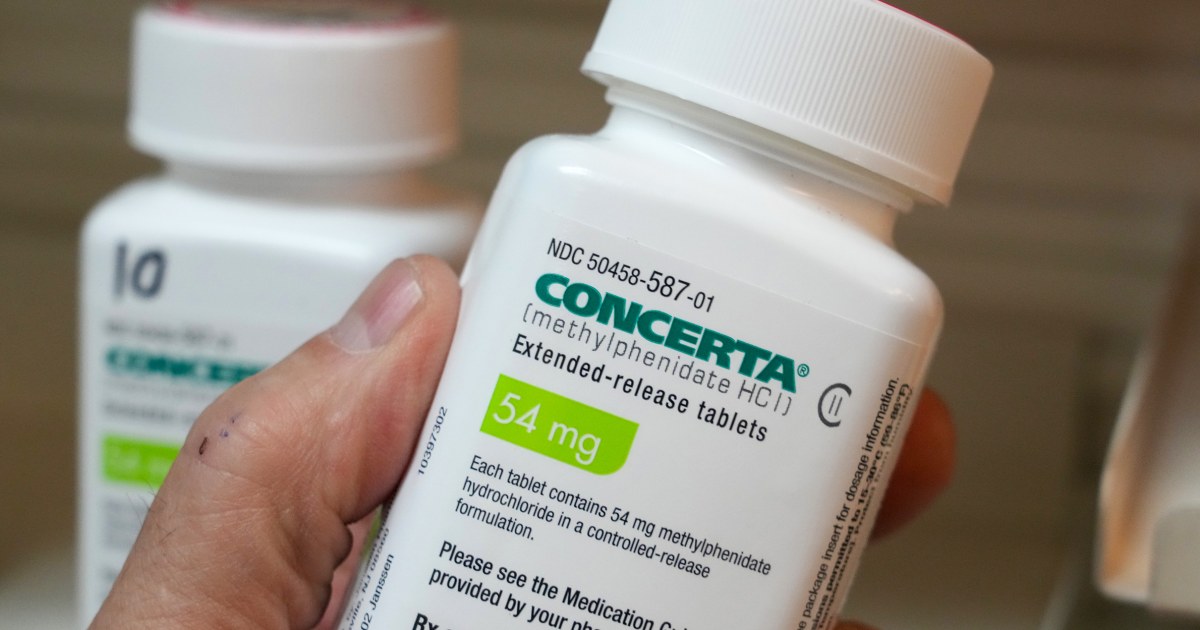
A large, new study found that the stimulant methylphenidate, such as the drugs Ritalin and Concerta, may lower the risk of psychosis when prescribed to younger children with ADHD.
Common ADHD medication prescribed in childhood may protect against risk of psychosis
A large-scale study has revealed that methylphenidate, the stimulant medication commonly sold under brand names such as Ritalin and Concerta, may significantly reduce the risk of developing psychosis when prescribed to younger children diagnosed with attention deficit hyperactivity disorder. The research, which analyzed health records from thousands of patients, offers reassuring news for parents and clinicians who have long debated the safety and long-term effects of prescribing stimulant medications to children at an early age.
The study found that children who began taking methylphenidate at a younger age showed a notably lower incidence of psychotic episodes compared to those who either started the medication later or did not receive stimulant treatment at all. Researchers believe that early intervention with the drug may help stabilize neurological development during critical periods of brain growth, potentially offering a protective effect against the onset of psychotic symptoms later in life. The findings challenge previous concerns that stimulant medications could increase vulnerability to psychosis in young patients.
Experts in the field have cautiously welcomed the results, noting that while the study is observational and does not definitively prove causation, the size and scope of the research make the findings difficult to dismiss. Mental health professionals emphasized that the study adds to a growing body of evidence suggesting that properly managed ADHD treatment in childhood can yield positive long-term mental health outcomes. They also stressed that medication decisions should always be made on an individual basis in consultation with qualified healthcare providers.
The researchers behind the study have called for further investigation, including randomized controlled trials, to better understand the mechanisms behind the apparent protective effect. They noted that untreated ADHD itself carries a range of risks, including academic difficulties, substance abuse, and mental health complications, making effective early treatment all the more important. As the scientific community continues to explore the relationship between ADHD medications and long-term psychiatric outcomes, this study provides meaningful evidence that early pharmacological intervention may carry benefits that extend well beyond managing attention and hyperactivity symptoms.