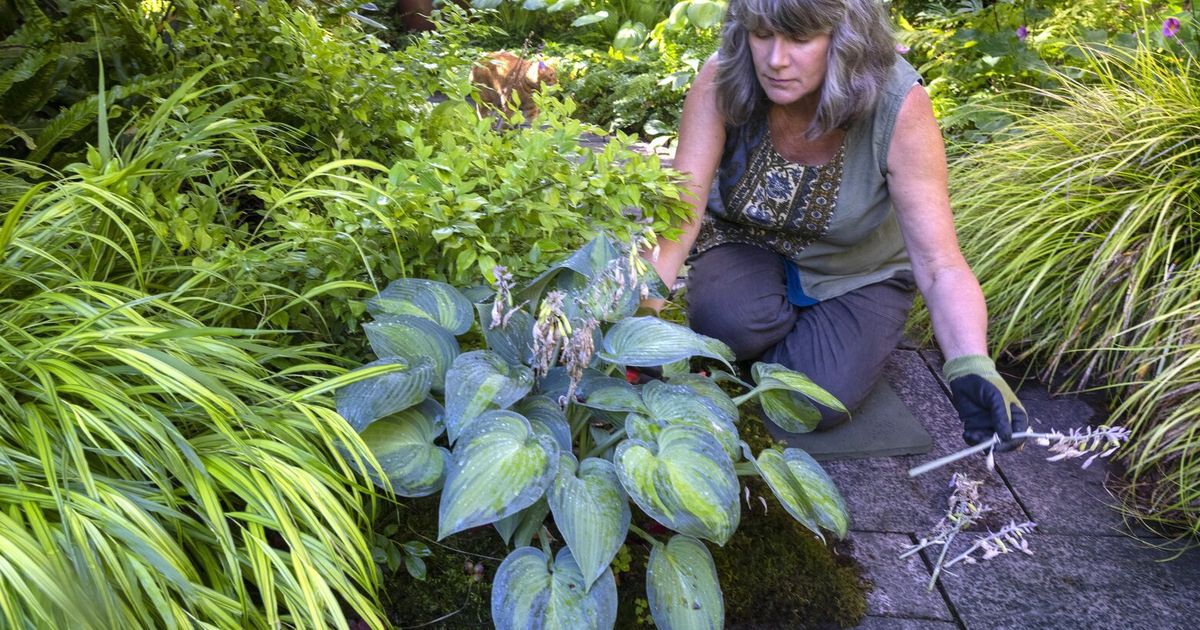
Garden Therapy: How Getting Your Hands Dirty Can Transform Your Health
Gardening is a health-promoting practice that can engage your body, settle your mind and improve your relationship with the food you eat, writes Carrie Dennett.
Gardening has long been celebrated as a rewarding hobby, but growing evidence suggests it may be one of the most powerful health-promoting activities available to us — and it doesn't require a prescription or a gym membership.
From digging and planting to weeding and harvesting, gardening provides a surprisingly robust physical workout. The bending, lifting, carrying, and sustained movement involved engages multiple muscle groups and can contribute meaningfully to daily physical activity goals, helping to reduce the risk of cardiovascular disease, obesity, and type 2 diabetes.
The mental health benefits are equally compelling. Time spent in green spaces has been linked to reduced levels of cortisol, the body's primary stress hormone. Gardening demands a particular kind of focused attention — tending to living things, observing seasonal changes, and working with your hands — that many researchers believe can quiet the mind in ways that scrolling through a phone simply cannot replicate.
There is also something deeply grounding about getting soil on your hands. Studies have found that certain soil bacteria, such as Mycobacterium vaccae, may stimulate the production of serotonin in the brain, offering a natural mood boost that could partly explain why gardeners so often report feeling happier and more at peace.
For those growing their own food, the relationship with eating can shift dramatically. Tending a vegetable patch tends to increase curiosity about and appreciation for fresh produce, encouraging people to eat more fruits and vegetables. Research suggests that children and adults alike are far more likely to eat a vegetable if they have grown it themselves.
Gardening also fosters a sense of purpose and accomplishment. Watching seeds germinate and plants flourish in response to your care provides tangible, visible results that can bolster self-esteem and provide structure to daily life — factors that are particularly valuable for older adults and those managing depression or anxiety.
Whether you have a sprawling backyard, a small balcony, or just a windowsill, the therapeutic benefits of gardening appear to scale with participation rather than space. Even tending a few potted herbs can offer meaningful returns on mental clarity and wellbeing.
As healthcare costs rise and chronic disease rates remain stubbornly high, horticulture therapy is gaining recognition within clinical settings. Some physicians are now writing 'green prescriptions,' formally recommending gardening as part of patient care plans — a sign that the medical community is beginning to take seriously what gardeners have quietly known for centuries.