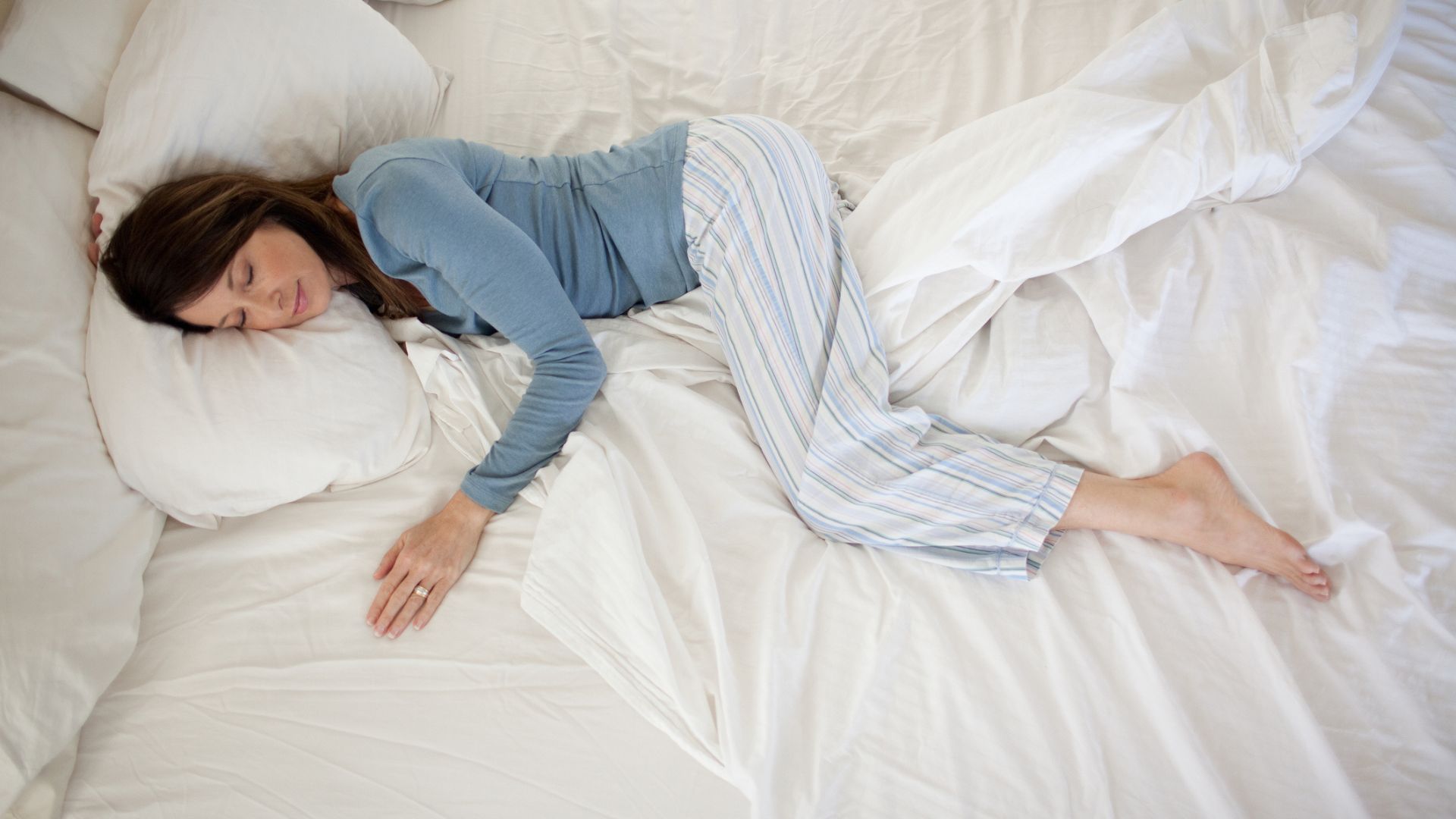
Getting 6.5 Hours of Sleep Is Shortening Your Life — 4 Ways to Fix It Tonight
You might think you're fine on 6.5 hours of sleep, but new research shows it’s cutting your life expectancy — here are 4 ways to fix it tonight
If you've been telling yourself that six and a half hours of sleep is enough to get by, science has some unsettling news. A growing body of research, including new findings from sleep health experts, confirms that regularly falling short of the recommended seven to nine hours of sleep per night is not just making you tired — it's actively cutting years off your life.
Studies have linked chronic sleep deprivation to a heightened risk of cardiovascular disease, type 2 diabetes, obesity, and even early-onset dementia. Researchers found that individuals consistently sleeping fewer than seven hours per night showed measurable reductions in life expectancy compared to those who prioritized adequate rest. The effects are cumulative, meaning the damage builds silently over months and years.
The good news is that improving your sleep doesn't have to be a long, complicated process. Experts say there are practical, evidence-backed steps you can take starting tonight to add meaningful hours to your nightly rest and begin reversing the health risks associated with sleep deprivation.
First, set a firm, consistent bedtime and stick to it — even on weekends. Your body's circadian rhythm thrives on regularity, and anchoring your sleep schedule trains your brain to wind down more efficiently each night. Even shifting your bedtime 30 minutes earlier can make a measurable difference within days.
Second, eliminate screens at least one hour before bed. The blue light emitted by phones, tablets, and televisions suppresses melatonin production, the hormone your body needs to initiate sleep. Replacing screen time with reading, light stretching, or meditation signals to your brain that it's time to rest.
Third, keep your bedroom cool, dark, and quiet. Sleep scientists consistently identify environment as one of the most controllable factors in sleep quality and duration. A room temperature between 60 and 67 degrees Fahrenheit is widely considered optimal for deep, restorative sleep.
Fourth, cut off caffeine consumption by early afternoon. Caffeine has a half-life of approximately five to six hours, meaning a 3 p.m. coffee still has significant stimulating power in your system at 9 p.m. Switching to herbal tea or water after noon can dramatically improve how quickly you fall asleep and how long you stay asleep.
Sleep is not a luxury — it is a biological necessity as fundamental as food and water. Making even small adjustments to your nightly routine can have a profound impact on your long-term health. The best time to start is tonight.