Hidden Camera Footage at African Bat Cave Reveals How Deadly Viruses Jump to Humans
Researchers filmed 10 species eating or scavenging bats at known Marburg-virus hotspot — and caught hundreds of humans visiting.
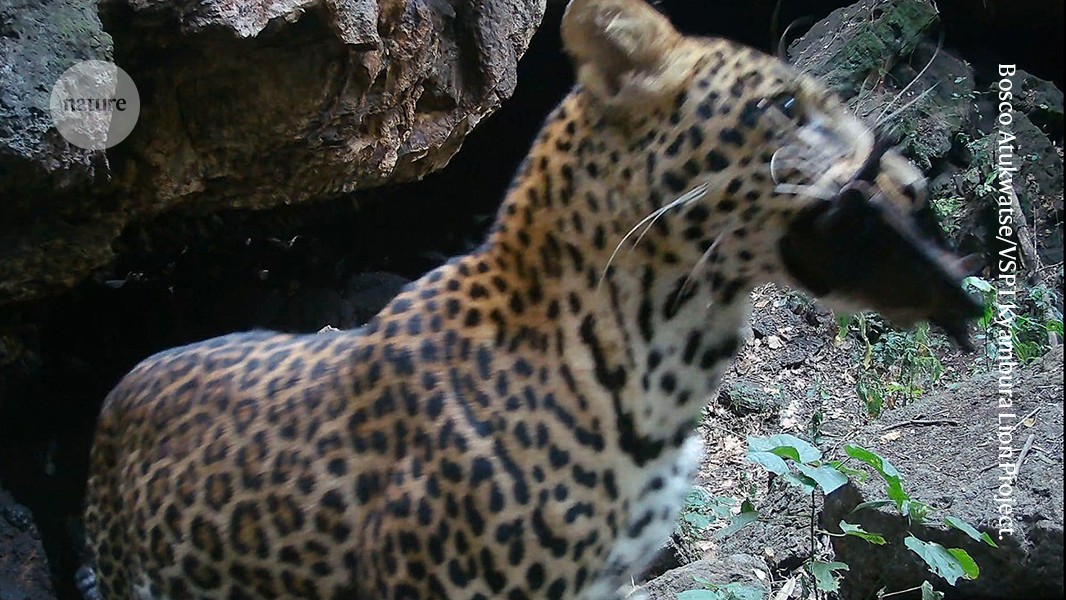
Researchers have captured rare footage inside an African cave known as a hotspot for the Marburg virus, documenting a startling array of animals feasting on bats — and hundreds of humans passing through — offering new clues about how deadly pathogens can spill over into new hosts.
The study, conducted at a cave in Africa where Marburg virus has previously been detected, deployed hidden cameras that recorded at least 10 different species eating or scavenging on bats. The animals captured on film ranged from small predators to opportunistic scavengers, each representing a potential link in the chain of viral transmission.
Marburg virus, a close relative of Ebola, causes severe hemorrhagic fever in humans and has a fatality rate that can reach up to 88 percent. The pathogen is primarily associated with Egyptian fruit bats, which serve as natural reservoirs for the virus without falling ill themselves.
Perhaps equally alarming was the footage of hundreds of humans entering the cave. Researchers say these visits — whether for tourism, mining, or cultural practices — represent a significant and underappreciated exposure risk, particularly when combined with the presence of so many animal species capable of carrying and spreading the virus.
The findings shed new light on the complex web of interactions that can trigger a zoonotic spillover event, in which a virus leaps from animals to humans. Scientists say understanding these dynamics is critical for predicting and preventing future outbreaks before they escalate into epidemics.
Experts not involved in the study welcomed the research, noting that video surveillance of wildlife in high-risk environments is a powerful and underutilized tool in the fight against emerging infectious diseases. The footage offers a level of ecological detail that traditional field surveys simply cannot match.
The researchers are calling for increased monitoring at similar sites across Africa and urging public health authorities to implement clearer guidelines around human access to caves known to harbor virus-carrying bat populations. They argue that prevention must begin at the human-animal interface, before a pathogen ever reaches a hospital.