How Smartphone Overuse Rewires Your Brain's Emotional Control Center
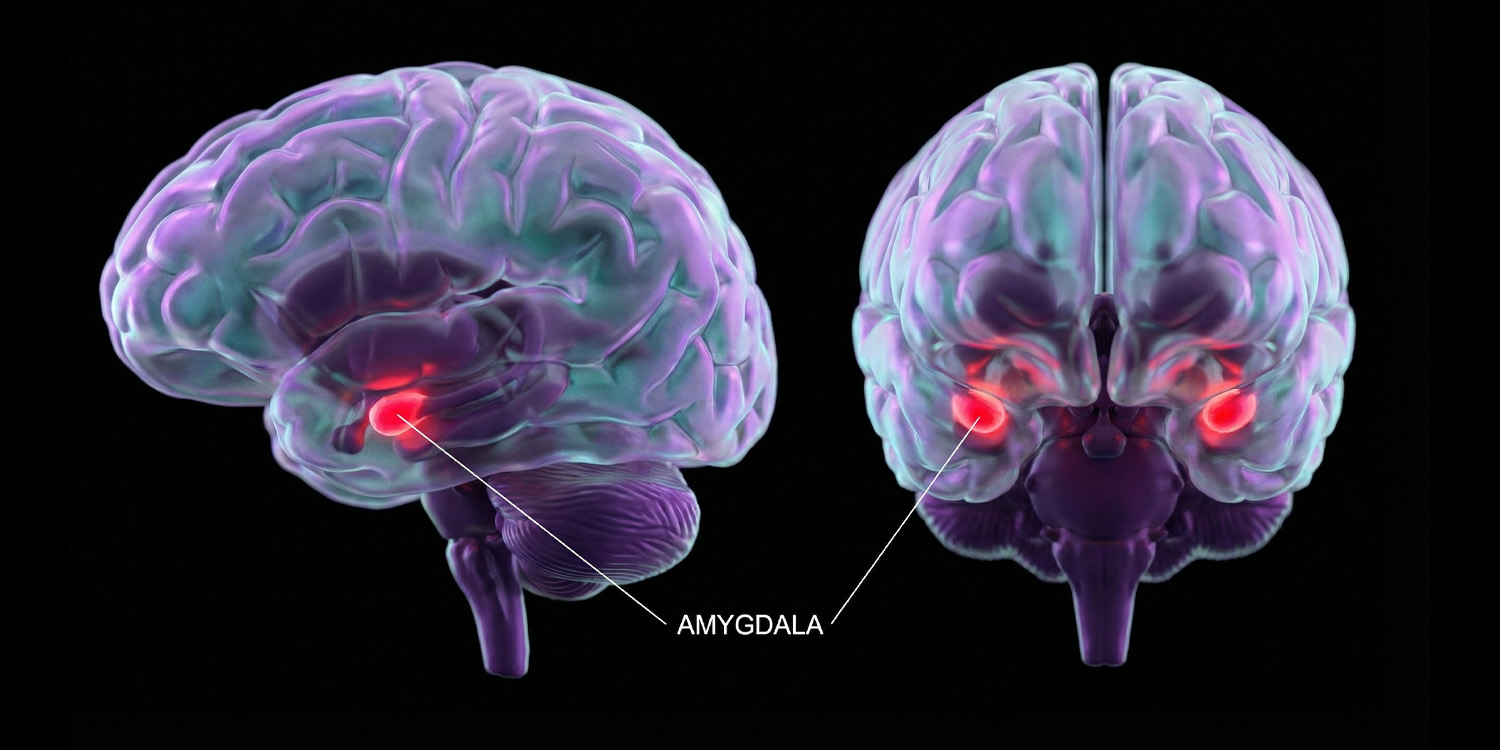
A newly released neuroimaging study reveals that young adults who heavily overuse smartphones show altered functional connectivity in the amygdala. These specific neural differences correlate to everyday difficulties in managing negative emotions.
Excessive smartphone habits tied to emotional dysregulation in the brain
A newly published neuroimaging study has found that young adults who engage in excessive smartphone use exhibit measurable changes in the way their brains process and regulate emotions. Researchers used functional magnetic resonance imaging to examine brain activity in participants between the ages of 18 and 30, comparing heavy smartphone users with those who reported moderate usage patterns. The findings, which appear in the latest issue of a peer-reviewed neuroscience journal, point to significant alterations in the functional connectivity of the amygdala, a brain region long associated with emotional processing and threat detection.
The study recruited over 150 participants and assessed their daily smartphone usage through both self-reported questionnaires and objective screen time tracking software. Those classified as heavy users, typically spending more than six hours per day on non-work-related smartphone activities, demonstrated notably different patterns of amygdala connectivity compared to their moderate-use counterparts. Specifically, the heavy users showed weakened connections between the amygdala and the prefrontal cortex, a region critical for impulse control and rational decision-making, while exhibiting strengthened connections to areas of the brain involved in habit formation and reward seeking.
These neural differences were not merely observable on brain scans but also corresponded to real-world emotional challenges. Participants with altered amygdala connectivity scored significantly higher on standardized measures of emotional dysregulation, reporting greater difficulty managing feelings of frustration, anxiety, and sadness in their daily lives. Researchers noted that the correlation remained statistically significant even after controlling for pre-existing mental health conditions, sleep quality, and other lifestyle factors that could influence emotional well-being.
The authors of the study caution that the findings do not establish a definitive causal relationship and that further longitudinal research is needed to determine whether excessive smartphone use drives these brain changes or whether individuals with pre-existing connectivity differences are simply more prone to overuse. Nevertheless, the research team emphasized the importance of the results for public health conversations, particularly as smartphone saturation among young adults continues to rise globally. They urged clinicians and educators to consider screen habits as a potentially meaningful factor when addressing emotional regulation difficulties in younger populations.