India's Antibiotic Crisis Is Fueling a Global Resistance Emergency
Easy access to desperately needed drugs has made India the global accelerant of our antimicrobial resistance crisis
India's unrestricted access to antibiotics has positioned the country as the world's leading accelerant of antimicrobial resistance, a crisis that scientists and health officials warn threatens lives far beyond South Asia's borders.
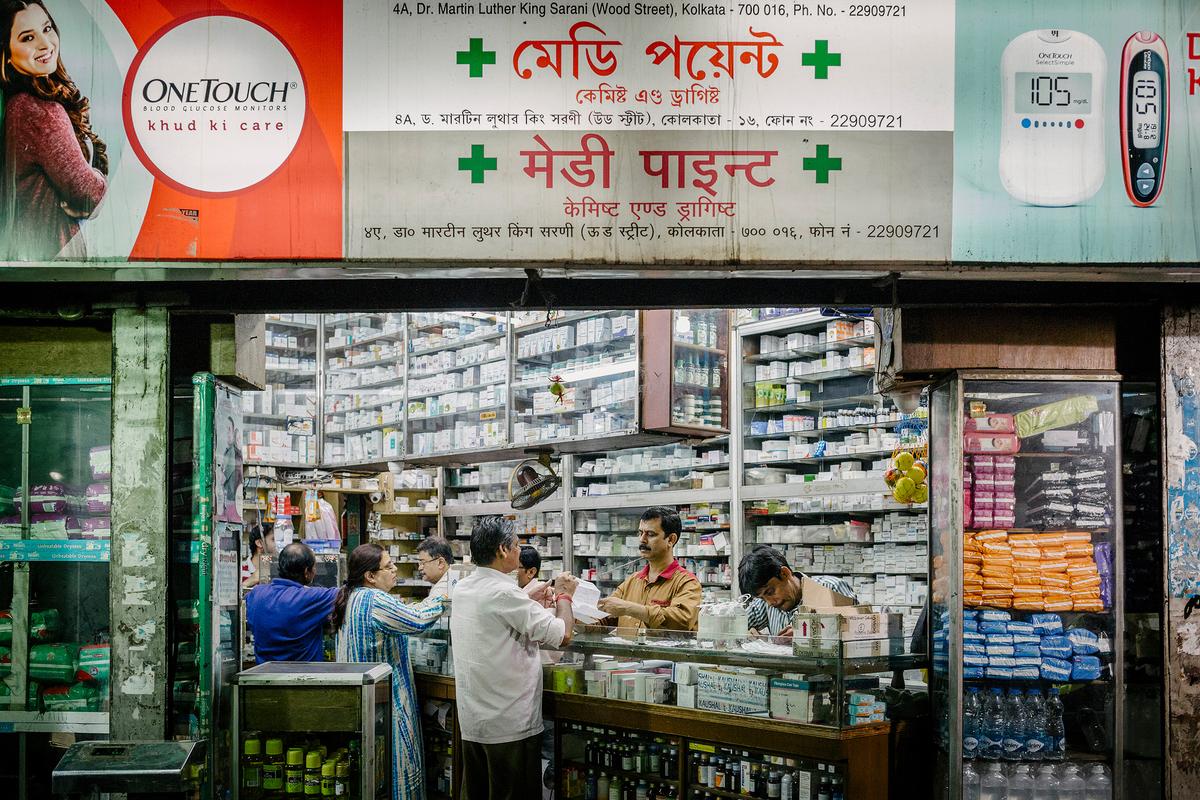
Unlike many high-income nations where antibiotics require a prescription, India's vast and fragmented healthcare system allows millions of people to purchase powerful drugs over the counter without medical supervision. While this has provided a lifeline for populations with limited access to doctors and hospitals, it has also created conditions in which bacteria are rapidly evolving to resist even last-resort medications.
Researchers have identified India as a critical hotspot in the global antimicrobial resistance map. The country's dense population, overburdened public health infrastructure, and widespread self-medication practices have combined to accelerate the mutation and spread of drug-resistant pathogens at an alarming rate.
The consequences do not stop at India's borders. Drug-resistant strains identified in Indian patients have been detected in hospitals across Europe, North America, and beyond, carried by travelers, returning migrants, and through global supply chains. Experts describe the phenomenon as a microbial spillover with no passport controls.
The World Health Organization has repeatedly flagged antimicrobial resistance as one of the top ten global public health threats. If current trends continue, drug-resistant infections could claim an estimated 10 million lives annually worldwide by 2050, surpassing cancer as a leading cause of death.
Indian health authorities have taken some steps toward reform, including national action plans and campaigns to reduce unnecessary antibiotic prescriptions. However, enforcement remains inconsistent, and demand-side pressures — including patient expectations and the commercial interests of pharmaceutical retailers — continue to undermine progress.
Addressing the crisis will require coordinated international action. Global health advocates argue that wealthy nations must invest in strengthening healthcare infrastructure in countries like India, recognising that a resistance problem anywhere is, ultimately, a resistance problem everywhere.