Landmark Single-Cell Atlas Unlocks Secrets of the Human Maternal-Fetal Interface
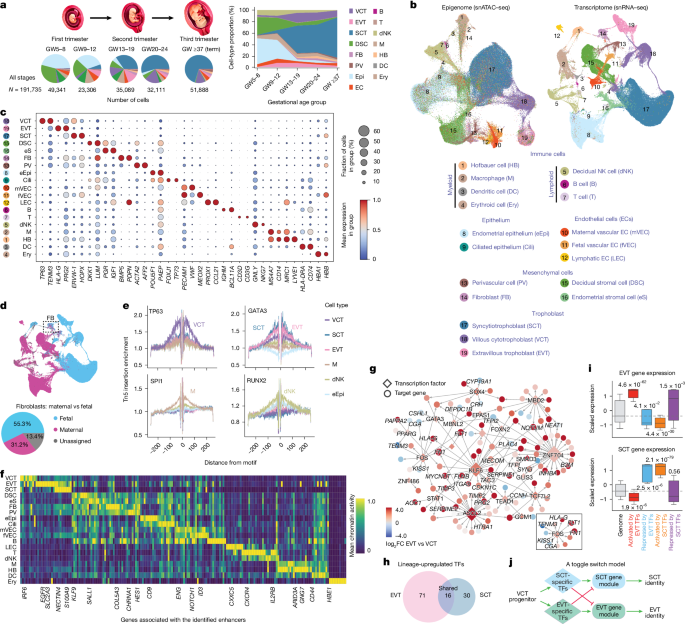
A single-cell multiomic atlas of the human maternal–fetal interface across pregnancy reveals cell types, states and spatial niches, developmental tissue architectures and transcriptional programmes, and identifies cell types with roles in pre-eclampsia, spont…
Scientists have produced a comprehensive single-cell multiomic atlas of the human maternal-fetal interface, offering an unprecedented look at the complex biological landscape that sustains pregnancy. The landmark study maps cell types, states, and spatial niches across all stages of gestation, providing a detailed blueprint of how the placenta and surrounding tissues develop and function.
Using cutting-edge single-cell and spatial genomics technologies, researchers dissected the cellular architecture of the maternal-fetal boundary with extraordinary resolution. The atlas captures transcriptional programmes that govern cell identity and behavior, revealing how distinct tissue structures emerge and evolve throughout pregnancy.
One of the study's most significant contributions is the identification of specific cell types implicated in serious pregnancy complications. The researchers pinpointed cellular populations with roles in pre-eclampsia, a dangerous condition characterized by high blood pressure that poses life-threatening risks to both mother and child, as well as spontaneous preterm birth, a leading cause of neonatal mortality worldwide.
The spatiotemporal dimension of the atlas sets it apart from previous efforts. By mapping where and when particular cell types appear within the developing tissue, the team uncovered previously unknown spatial niches — microenvironments where specialized cells interact to support placental function and fetal growth.
The findings shed light on the molecular dialogue between maternal immune cells and invading fetal trophoblast cells, a critical process for establishing placental blood flow. Disruptions in this crosstalk have long been suspected to underlie conditions like pre-eclampsia, and the new data offer molecular targets that could guide future therapeutic development.
Experts not involved in the study have described the atlas as a transformative resource for reproductive medicine. By providing a shared reference framework, it is expected to accelerate research into infertility, pregnancy loss, and complications that affect millions of families globally each year.
The dataset has been made publicly available, enabling researchers worldwide to interrogate the atlas for insights relevant to their own work. The team hopes the resource will serve as a foundation for developing new diagnostics and treatments aimed at improving pregnancy outcomes across diverse populations.