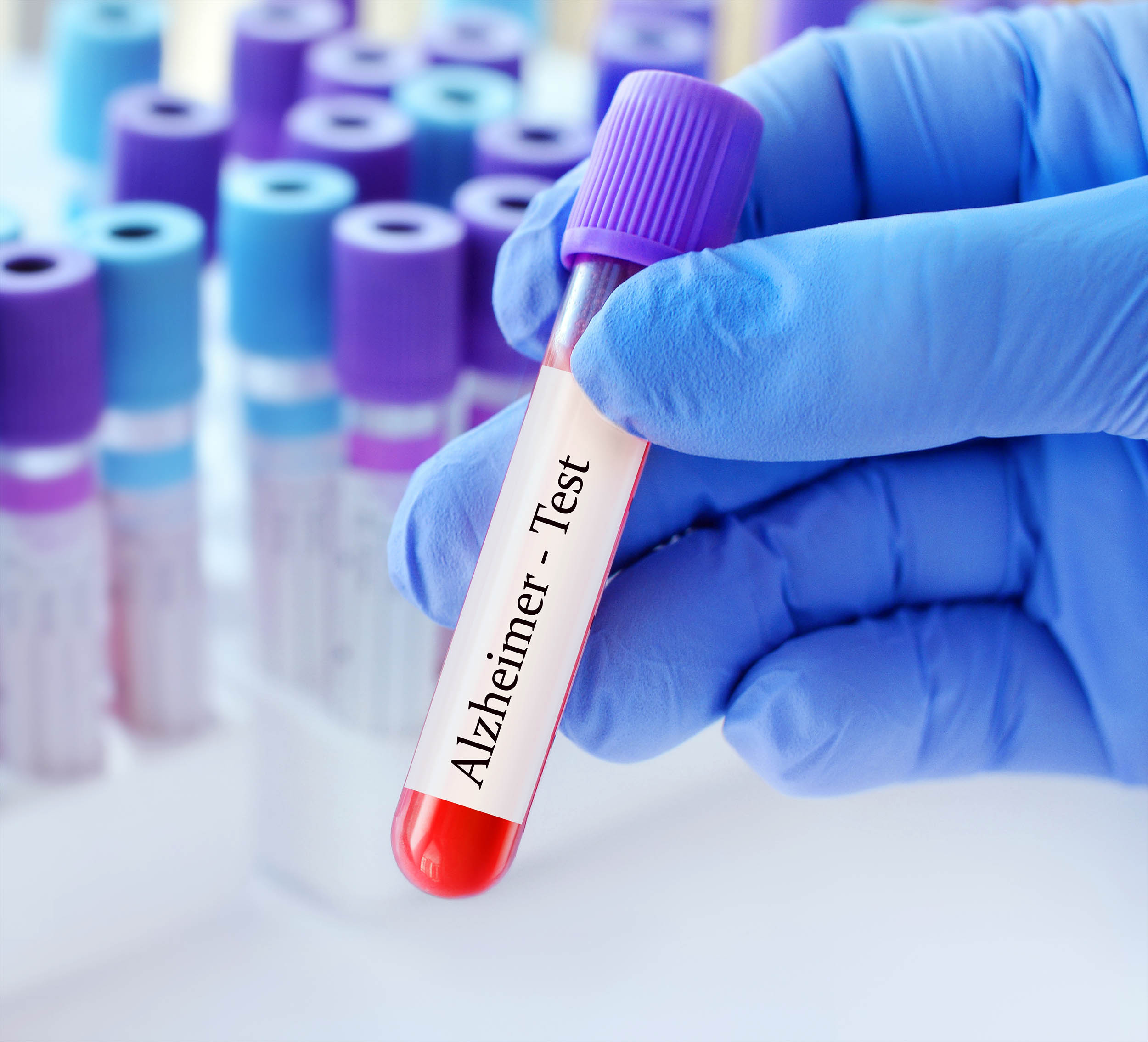
New Blood Test Can Predict Dementia 25 Years Before Symptoms Emerge
Scientists found that a blood protein called p tau217 may reveal dementia risk up to 25 years before symptoms appear.
Scientists create blood test that predicts dementia 25 years before symptoms appear
In a groundbreaking development that could transform the future of dementia care, researchers have identified a blood protein that may predict the onset of dementia up to 25 years before any clinical symptoms appear. The protein, known as p-tau217, was found to be elevated in individuals who went on to develop Alzheimer's disease decades later. The findings, published in a leading medical journal, represent one of the earliest biological markers ever discovered for the degenerative brain condition that affects millions of people worldwide.
The study tracked thousands of participants over several decades, regularly collecting blood samples and monitoring cognitive health. Scientists discovered that levels of p-tau217 began rising significantly in patients long before they showed any signs of memory loss, confusion, or other hallmark symptoms of dementia. The protein is associated with the buildup of tau tangles and amyloid plaques in the brain, both of which are key indicators of Alzheimer's disease. Researchers say this detection window is far wider than anything previously available through existing diagnostic tools.
Experts believe the discovery could open the door to early intervention strategies that may slow or even prevent the progression of dementia. Current treatments are most effective when administered in the earliest stages of the disease, but diagnosis typically occurs only after noticeable cognitive decline has already set in. A simple and affordable blood test could allow physicians to identify at-risk patients decades in advance, giving them a critical head start in managing the condition through lifestyle changes, medication, or emerging therapies.
The research team emphasized that while the findings are highly promising, further validation studies are needed before a commercial blood test becomes widely available. Health organizations have welcomed the results, calling them a potential game-changer in the fight against a disease that currently affects more than 55 million people globally. With dementia cases expected to nearly triple by 2050, scientists say the urgency to develop reliable early detection methods has never been greater, and this discovery marks a significant step in that direction.