North Carolina Health Officials Issue Legionnaires' Disease Warning After Spike in Cases
Legionnaires' disease is a severe form of pneumonia caused by the bacterium known as Legionella. According to Mayo Clinic, most people who catch Legionnaires' disease breathe in the bacteria from water or soil.
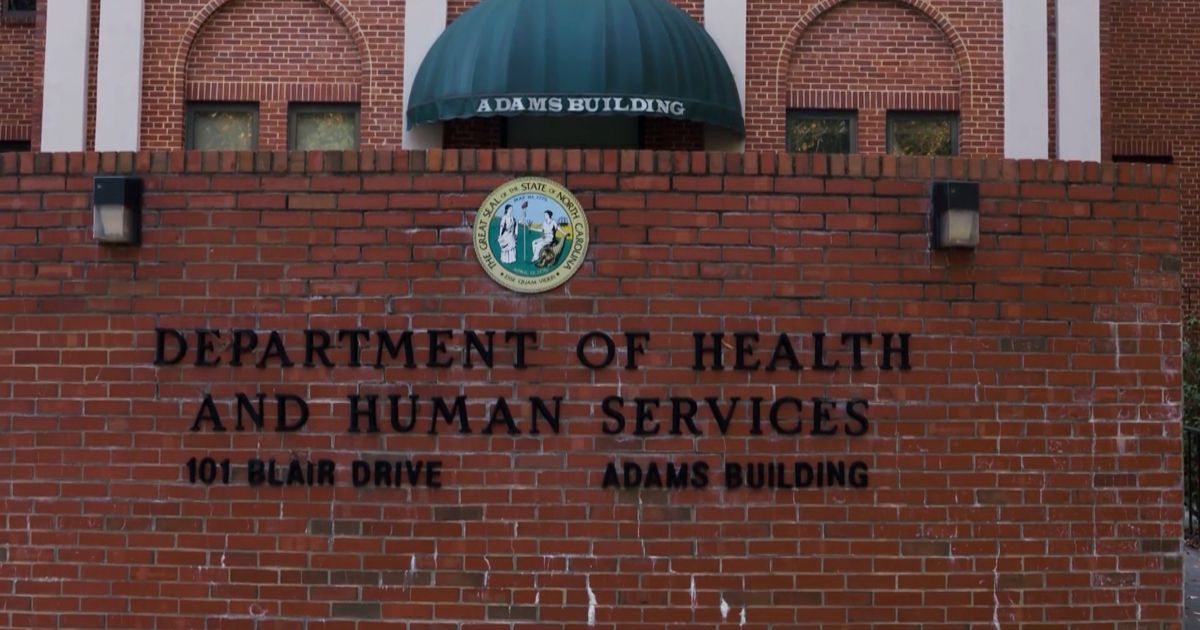
North Carolina's Department of Health and Human Services has issued a warning to residents after a notable increase in Legionnaires' disease cases across the state, urging the public to be aware of the risks and symptoms associated with the serious respiratory illness.
Legionnaires' disease is a severe form of pneumonia caused by the Legionella bacterium. According to the Mayo Clinic, the majority of people who contract the illness do so by inhaling microscopic water droplets or soil particles contaminated with the bacteria, rather than through person-to-person contact.
The bacteria thrive in warm water environments, making places such as hot tubs, cooling towers, large plumbing systems, and decorative fountains common sources of exposure. Buildings with complex water systems, including hotels and hospitals, can be particularly susceptible to Legionella growth if water management protocols are not properly maintained.
Symptoms of Legionnaires' disease typically appear two to ten days after exposure and can include high fever, chills, cough, shortness of breath, muscle aches, and headaches. The illness can be life-threatening, particularly for older adults, smokers, and individuals with weakened immune systems or chronic lung conditions.
Health officials are urging property managers and building operators to review and update their water management plans to help prevent bacterial growth. Regular testing and maintenance of water systems are considered critical steps in reducing the risk of Legionella outbreaks.
Residents who experience symptoms consistent with severe pneumonia, especially following recent exposure to large water systems or travel, are encouraged to seek medical attention promptly. Early diagnosis and antibiotic treatment are key to a full recovery from Legionnaires' disease.
State health authorities have not yet disclosed the specific regions most affected by the increase in cases or the total number of confirmed infections. Officials say they are actively investigating the source of the uptick and will provide updates as the situation develops.