Ocean Fossil Discovery Forces Scientists to Revise Ancient Temperature Records
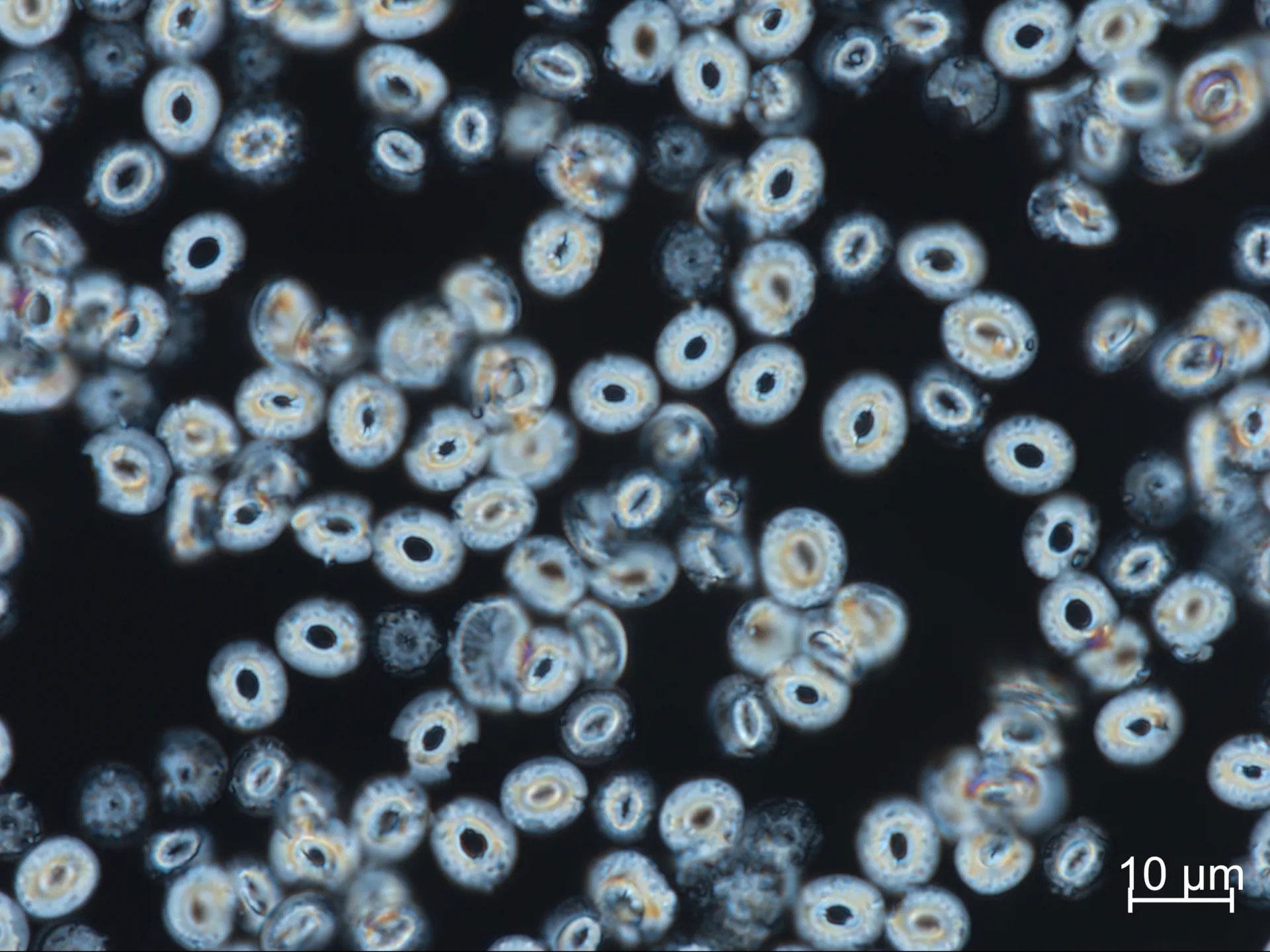
Researchers have applied a temperature proxy to exceptionally well-preserved fossil phytoplankton for the first time. The results suggest that conditions in the North Atlantic have been cooler than previously believed since the Miocene epoch.
A groundbreaking study is reshaping our understanding of prehistoric climate conditions after researchers applied a cutting-edge temperature proxy to remarkably well-preserved fossil phytoplankton, yielding results that challenge decades of scientific consensus.
The analysis, focused on microscopic marine organisms recovered from the North Atlantic, suggests that ocean temperatures in the region have been significantly cooler than previously estimated dating back to the Miocene epoch, which spanned roughly 5 to 23 million years ago.
This is the first time scientists have successfully applied this particular temperature proxy method to fossil phytoplankton of such exceptional preservation quality, opening a new window into Earth's deep climate history and calling earlier reconstructions into question.
The implications are substantial. Many existing climate models and projections of extreme warming have relied on temperature baselines derived from older proxy methods. If those baselines were running too warm, it could alter how scientists interpret the sensitivity of Earth's climate system to rising carbon dioxide levels.
Researchers caution that the findings do not undermine the overwhelming evidence of human-caused climate change, but they do highlight how refining our understanding of past climates can sharpen the tools used to model and predict future ones.
The study underscores the importance of fossil preservation quality in paleoclimate research. Degraded organic material can introduce significant errors into temperature reconstructions, and the exceptional condition of these phytoplankton samples allowed for an unusually high degree of analytical precision.
Scientists say the next step is to apply the same proxy methodology across a broader range of geological periods and ocean basins to determine whether the cooling signal observed in the North Atlantic reflects a wider global pattern or a more localized phenomenon.