Single-Dose Viral Immunotherapy Wipes Out Brain Tumors Using Synthetic Super-Enhancers
Synthetic super-enhancers enable specific delivery of anticancer payloads, achieving tumour elimination after a single dose in a mouse model of aggressive glioblastoma.
Scientists have developed a groundbreaking approach to cancer treatment using synthetic super-enhancers that allow viral vectors to deliver anticancer payloads with unprecedented precision, according to new research. The technique achieved complete tumor elimination in a mouse model of glioblastoma — one of the deadliest and most treatment-resistant brain cancers — after just a single dose.
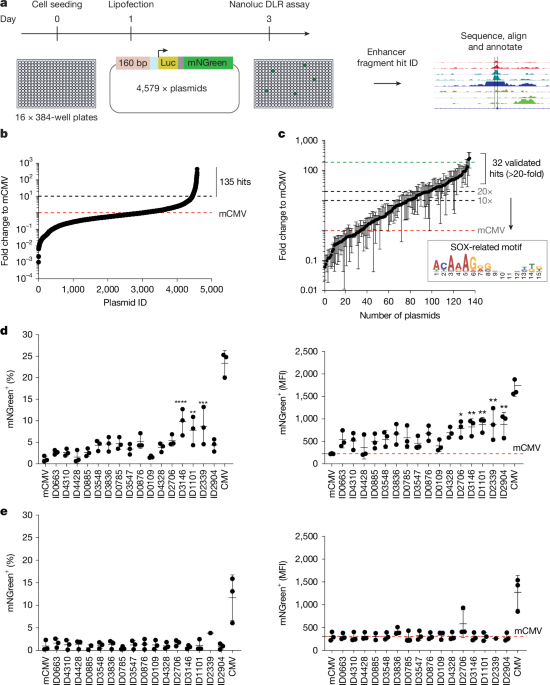
Super-enhancers are clusters of regulatory DNA elements that drive the high-level expression of specific genes. By engineering synthetic versions of these structures, researchers were able to program oncolytic viruses to selectively activate and release therapeutic agents exclusively within cancer cells, sparing healthy surrounding tissue from damage.
In preclinical experiments using aggressive glioblastoma mouse models, a single administration of the synthetic super-enhancer-equipped viral therapy was sufficient to eliminate tumors entirely. This result represents a significant leap forward from conventional therapies, which often require repeated dosing, carry severe side effects, and offer limited efficacy against glioblastoma.
The precision of the delivery system is a key breakthrough. Traditional viral immunotherapies have struggled with off-target effects, where healthy cells are inadvertently harmed. The synthetic super-enhancer approach acts as a molecular lock-and-key mechanism, ensuring that the anticancer payload is only unleashed within the tumor microenvironment.
Researchers believe the platform is highly versatile and could be adapted to target a range of other solid tumors beyond glioblastoma. The modular nature of synthetic super-enhancers means they can potentially be customized to match the gene expression profiles of different cancer types, opening the door to a new era of tumor-specific immunotherapy.
While the results are promising, scientists caution that the findings remain in the preclinical stage, and substantial further research will be required before human clinical trials can begin. Questions around long-term safety, immune responses to the viral vectors, and scalable manufacturing must all be addressed. Nevertheless, the team is optimistic that this technology represents a transformative step toward genuinely targeted cancer therapy.