The Empty Nest Moment No One Warns You About: When the Light Under Their Door Goes Dark
Three months in, I've stopped making coffee for two and started sitting in her old room at 2 PM sharp, discovering that the hardest part isn't the empty house—it's learning who I am after 45 years of being needed by someone else.
Nobody talks about the specific kind of silence that happens when your last child moves out — not the empty nest everyone warns you about, but walking past their bedroom door at 9 p.m. and there's no light underneath it anymore.
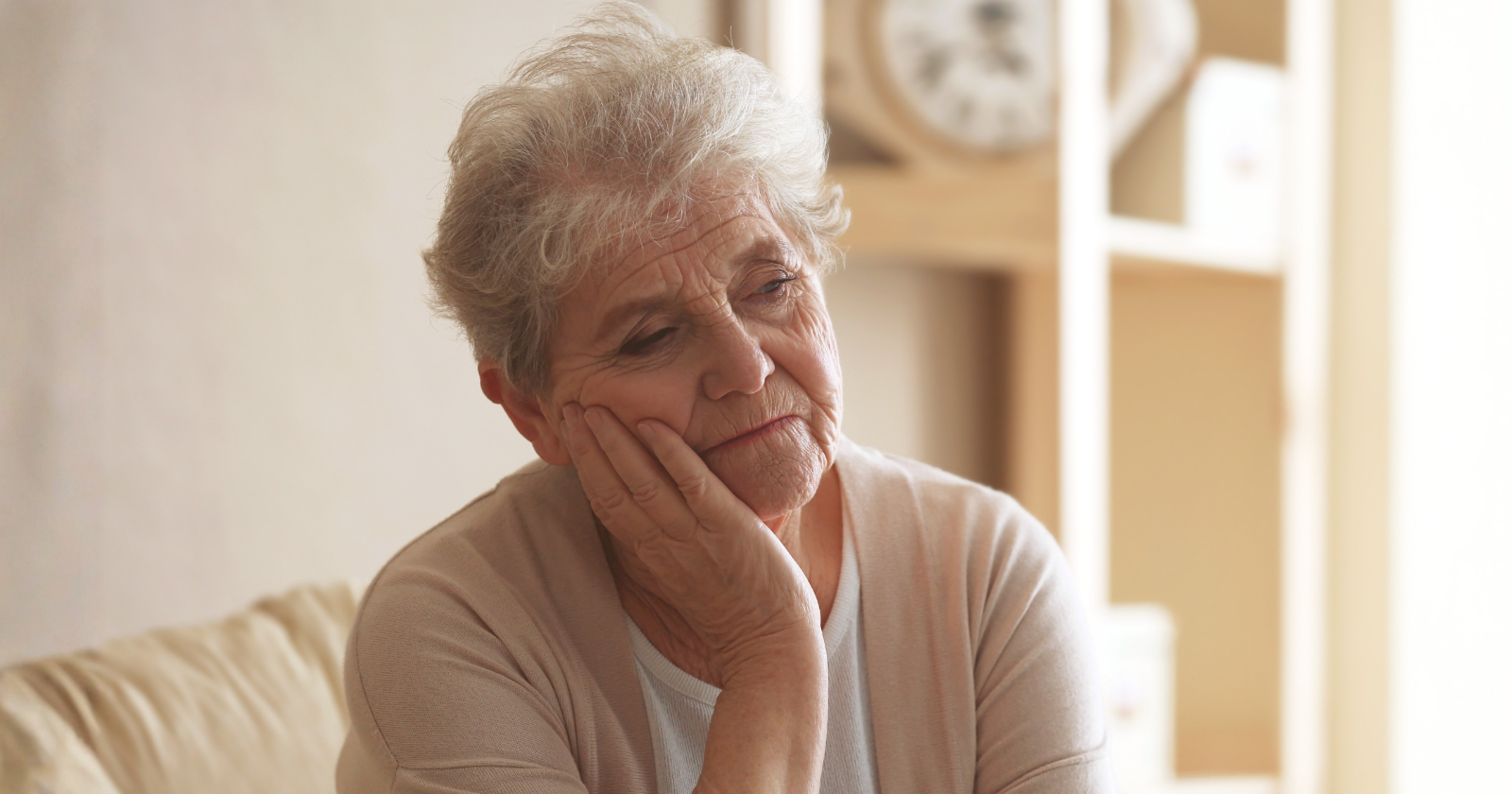
For Margaret Holloway, 67, the departure of her youngest daughter, Claire, to a teaching position in Portland last September marked the first time in 45 years that no one else lived under her roof. Friends and family had prepared her for the broad strokes of empty nest syndrome — the quiet dinners, the surplus of groceries, the aimless weekends. But no one mentioned the small, almost imperceptible losses that would undo her most completely: the absence of a second coffee mug in the sink each morning, the washing machine that now runs only once a week, the hallway light she no longer needs to leave on past midnight.
Three months into living alone, Holloway says she has begun to build what she cautiously calls a new routine. She stopped brewing a full pot of coffee and bought a single-serve maker instead. She sits in Claire's old bedroom every afternoon at 2 p.m., not out of sadness, she insists, but out of curiosity — studying the posters still tacked to the walls, the bookshelf frozen in time, as if the room might offer some clue about the woman she was before motherhood consumed her identity so thoroughly she forgot it had a beginning. A therapist she started seeing in October told her that the grief she feels is not for her daughter, who calls every Sunday and is thriving, but for the version of herself that existed only in relation to being needed.
Holloway is not alone in this reckoning. Psychologists who specialize in life transitions say that parents who devoted decades to full-time caregiving often face a profound identity crisis once that role ends, one that can rival retirement or the loss of a spouse in its psychological weight. Dr. Anita Reeves, a clinical psychologist in Chicago, notes that the adjustment is rarely about the empty rooms themselves but about the question they force a person to confront: without the daily architecture of someone else's needs, who are you, and what do you want? For Holloway, the answer is still taking shape, assembled slowly in a quiet house where the only light under the bedroom door at 9 p.m. is now, finally, her own.