Vagus Nerve Stimulation Could Be a Game Changer for Alzheimer's and Age-Related Memory Loss
Keeping a tiny brain area called locus coeruleus functioning properly may stave off symptoms of Alzheimer’s disease and keep the aging brain healthy
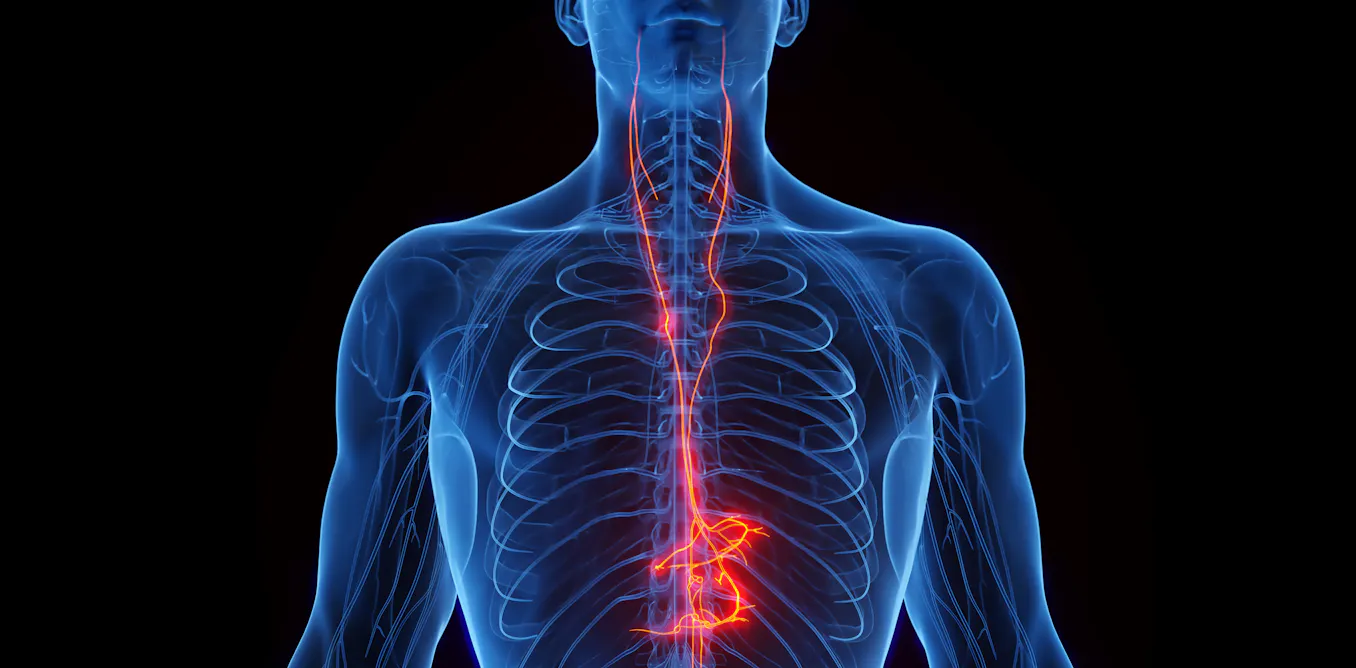
Vagus nerve stimulation shows promise as a way to counter Alzheimer's disease- and age-related memory loss
Scientists are increasingly turning their attention to a small but powerful cluster of neurons deep in the brainstem known as the locus coeruleus, believing it may hold critical clues to preventing Alzheimer's disease and age-related cognitive decline. New research suggests that stimulating the vagus nerve, which connects the brain to several major organs, can activate the locus coeruleus and enhance its function, potentially offering a non-pharmaceutical approach to preserving memory and mental sharpness as people age. The findings have generated significant excitement in the neuroscience community, as they point toward an accessible intervention that could benefit millions of people worldwide who are at risk of dementia.
The locus coeruleus, despite being barely the size of a pencil eraser, serves as the brain's primary source of norepinephrine, a neurotransmitter essential for attention, arousal, and memory consolidation. Studies have shown that this tiny region is among the first areas of the brain to accumulate tau protein tangles, one of the hallmark pathologies of Alzheimer's disease, often decades before symptoms appear. As the locus coeruleus degrades, its diminished output of norepinephrine leaves the brain more vulnerable to inflammation, reduced blood flow, and impaired clearance of toxic proteins, creating a cascade of decline that accelerates cognitive deterioration.
Vagus nerve stimulation, which can be delivered through implanted devices or noninvasively through the ear using mild electrical pulses, has been shown in clinical trials to boost locus coeruleus activity and improve memory performance in both healthy older adults and those with early-stage cognitive impairment. Researchers at multiple institutions have demonstrated that even short sessions of noninvasive vagus nerve stimulation can enhance the release of norepinephrine, sharpen attention, and improve the ability to form and retain new memories. Animal studies have further revealed that the stimulation reduces neuroinflammation and promotes the health of neurons throughout the brain, suggesting broad neuroprotective benefits.
Experts caution that while the results are promising, larger and longer-term clinical trials are still needed to determine the optimal protocols for treatment and to confirm lasting benefits in diverse populations. Nevertheless, the convergence of evidence pointing to the locus coeruleus as a linchpin of brain health has opened a compelling new front in the fight against Alzheimer's disease. If future studies confirm these early findings, vagus nerve stimulation could become a widely available, low-risk tool for keeping aging brains healthy and potentially delaying or even preventing the onset of dementia in millions of people around the world.