Vitamin D Linked to Reduced Tau Protein Buildup in Alzheimer's Disease, New Study Shows
New research has linked levels of vitamin D in midlife with toxic tangles of tau protein that accumulate in the brains of those with Alzheimer's disease.
A new study has found that vitamin D levels in midlife may play a significant role in the development of Alzheimer's disease, specifically in the accumulation of tau proteins — one of the hallmark indicators of the condition. The research adds to a growing body of evidence suggesting that this common, widely available vitamin could have far-reaching implications for brain health.
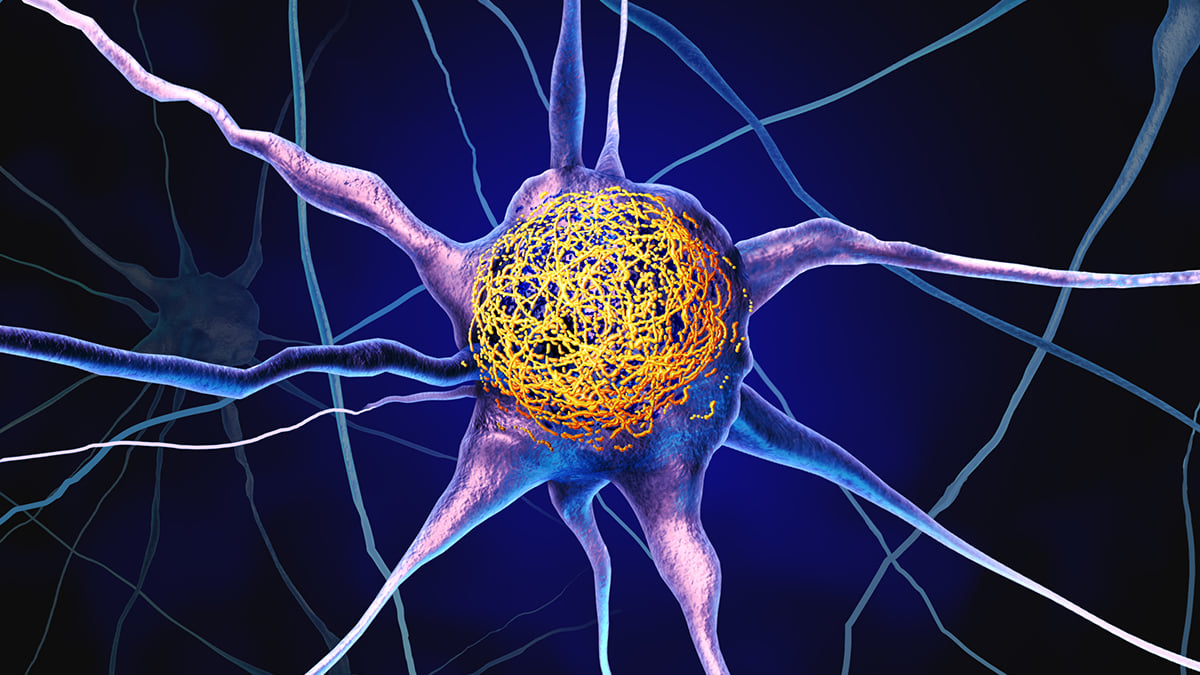
Tau proteins, which form toxic tangles in the brains of Alzheimer's patients, have long been associated with cognitive decline and neurodegeneration. The new findings suggest that individuals with higher levels of vitamin D during middle age may be less likely to develop these dangerous accumulations, potentially slowing or even preventing the onset of the disease.
Researchers examined data from a cohort of middle-aged adults, measuring their vitamin D levels and tracking neurological markers over time. Using advanced brain imaging techniques, scientists were able to observe a measurable relationship between vitamin D sufficiency and reduced tau tangle formation in key regions of the brain associated with memory and cognition.
The implications of the study are particularly noteworthy given how widespread vitamin D deficiency is across the global population. Millions of people, particularly those in northern latitudes or with limited sun exposure, fail to maintain adequate levels of the vitamin, which is produced naturally in the skin through sunlight and can also be obtained through diet and supplements.
Experts caution that while the findings are promising, they do not prove that taking vitamin D supplements will definitively prevent Alzheimer's disease. The study identifies a correlation rather than a direct causal link, and further clinical trials are needed to determine whether boosting vitamin D levels in deficient individuals can meaningfully reduce Alzheimer's risk.
Nonetheless, neurologists and public health advocates say the research reinforces the importance of monitoring vitamin D levels as part of routine midlife health care. Given the low cost and wide availability of vitamin D supplementation, some clinicians argue the potential benefits warrant proactive attention even before definitive proof is established.
Alzheimer's disease currently affects more than 55 million people worldwide, with numbers expected to nearly triple by 2050 as the global population ages. Researchers and health officials continue to search urgently for preventive strategies, and this latest study positions vitamin D as a compelling candidate worthy of deeper investigation.