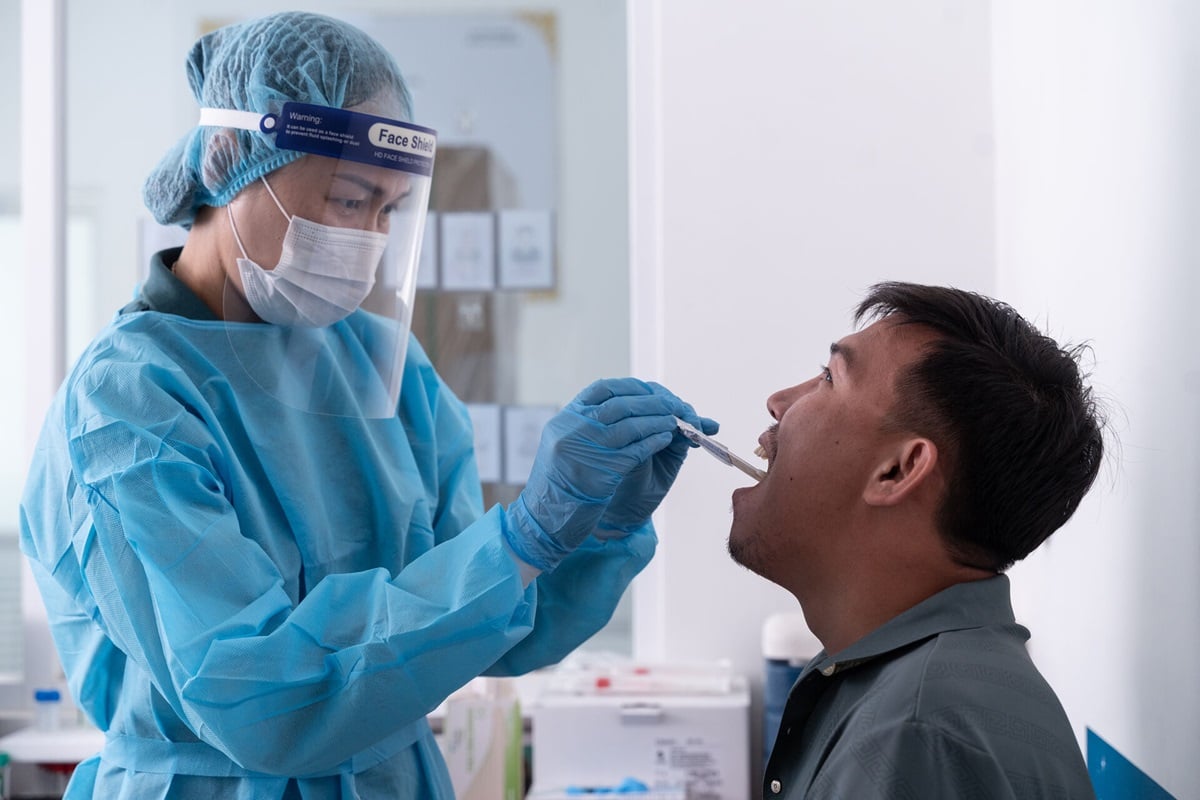
WHO Unveils New Diagnostic Tools in Push to Eradicate Tuberculosis
On World TB Day, the World Health Organization (WHO) is urging countries to accelerate action to end tuberculosis (TB) and expand access to lifesaving services by using new innovations such as diagnostic tests that can be used near the point-of-care and t…
WHO recommends new diagnostic tools to help end TB
On World TB Day, the World Health Organization (WHO) is urging countries to accelerate action to end tuberculosis (TB) and expand access to lifesaving services by using new innovations such as diagnostic tests that can be used near the point-of-care and that deliver faster, more accurate results. The organization emphasized that despite being preventable and curable, TB continues to claim approximately 1.25 million lives each year, making it one of the world's deadliest infectious diseases. WHO officials stressed that closing the diagnostic gap is essential to reaching global targets for eliminating TB by 2030.
The newly recommended diagnostic tools include molecular tests and next-generation assays that can be deployed in community health settings, bringing testing closer to patients who need it most. These point-of-care tests are designed to rapidly detect TB and drug resistance, enabling health workers to initiate appropriate treatment without delay. WHO noted that nearly 3 million people with TB go undiagnosed or unreported each year, and these new tools could play a critical role in identifying and treating those missed cases, particularly in remote and underserved communities.
WHO Director-General Dr. Tedros Adhanom Ghebreyesus called on governments and global health partners to invest in scaling up these innovations and ensuring they reach the populations most affected by TB. He highlighted that political commitment and sustained funding are vital to translating these technological advances into real-world impact. The organization also pointed to the need for integrated approaches that combine improved diagnostics with expanded access to treatment, preventive therapy, and community engagement to reduce the burden of the disease.
Health experts and advocacy groups have welcomed the WHO recommendations, noting that improved diagnostics represent a significant step forward in the fight against TB. However, they cautioned that access to new tools alone will not be sufficient without stronger health systems, trained personnel, and adequate supply chains to support their deployment. As the world marks World TB Day under the theme of accelerating efforts to end the epidemic, the global health community is calling for renewed urgency and collaboration to ensure that no one is left behind in the response to this devastating but treatable disease.