A New Study Identifies the Best Destinations for a Real-Life Hail Mary Spacecraft
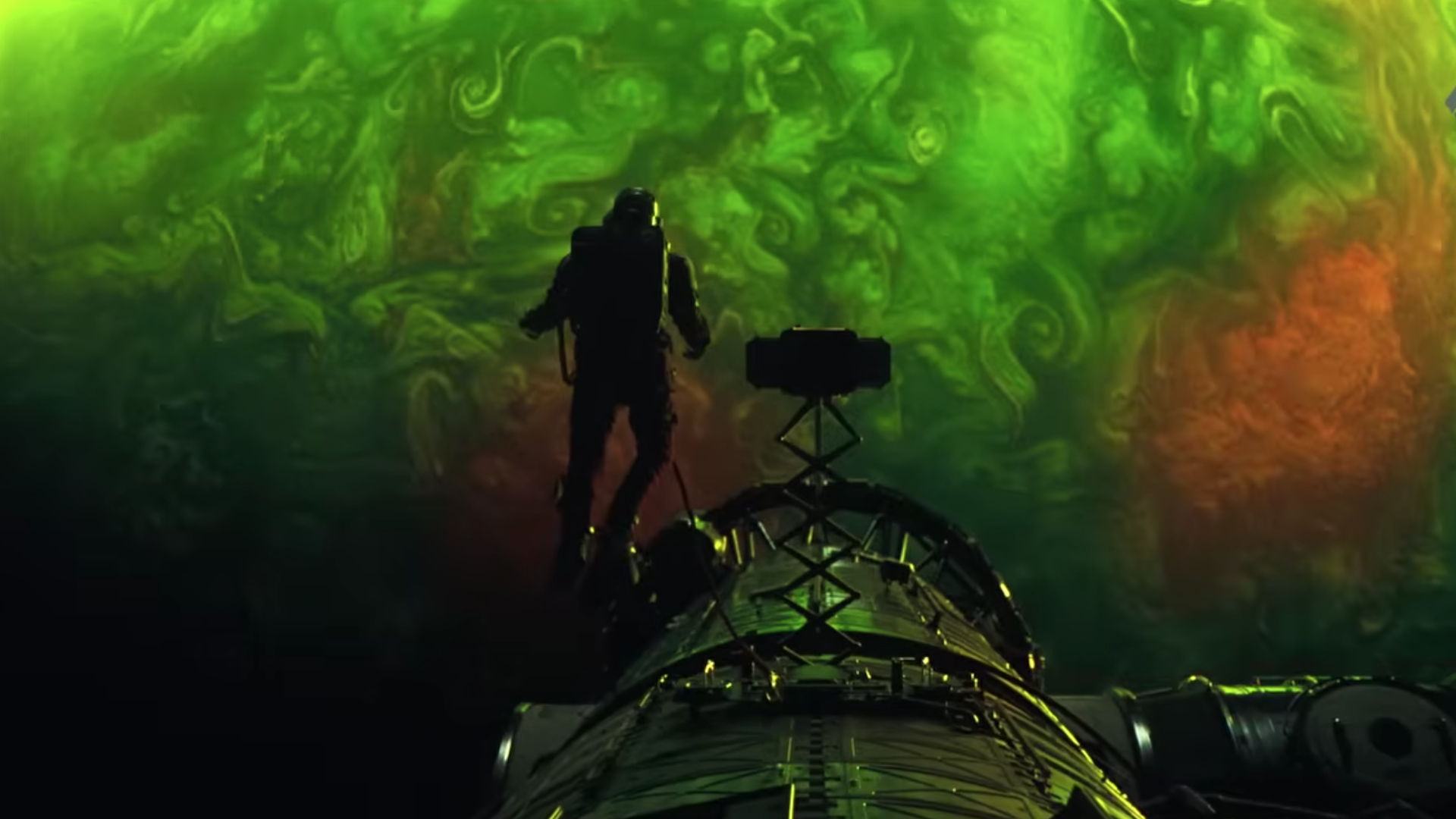
A new atlas of 45 potentially habitable planets makes us think of the new film "Project Hail Mary," based on the book by Andy Weir.
Where should we send a real 'Hail Mary' spacecraft? A new study has the answers.
The dream of finding life beyond Earth has taken a step closer to reality thanks to a newly published atlas identifying 45 potentially habitable exoplanets. The comprehensive study, compiled by an international team of astronomers, ranks these distant worlds based on factors such as atmospheric composition, distance from their host stars, and the likelihood of liquid water on their surfaces. The timing of the research feels almost poetic, arriving just as audiences flock to theaters to watch "Project Hail Mary," the blockbuster film adaptation of Andy Weir's bestselling novel about an astronaut on a desperate mission to a nearby star system to save humanity.
In Weir's story, a lone scientist travels to the Tau Ceti system aboard the titular spacecraft to investigate a mysterious organism threatening the Sun. While the tale is fiction, the new study suggests that real-world target lists for future interstellar missions or advanced telescopic surveys are becoming increasingly refined. Among the 45 planets cataloged, several orbit within the habitable zones of red dwarf stars relatively close to our solar system, making them prime candidates for follow-up observations with next-generation instruments such as the James Webb Space Telescope and proposed future missions.
The researchers behind the atlas emphasize that habitability involves far more than simply being the right distance from a star. They evaluated each planet's estimated size, density, and potential for retaining an atmosphere capable of supporting life as we know it. Some of the most promising candidates include worlds orbiting stars within 50 light-years of Earth, a distance that, while vast by human standards, is considered our cosmic backyard. The study also highlights how advances in spectroscopy could soon allow scientists to detect biosignatures — chemical fingerprints of life — in the atmospheres of these worlds.
As "Project Hail Mary" captivates moviegoers with its vision of interstellar travel driven by necessity and ingenuity, the real scientific community is quietly building the roadmap that could one day guide humanity's gaze — or even its spacecraft — toward a neighboring star. While we are likely decades or more away from sending any craft to another solar system, studies like this new atlas ensure that when the time comes, we will already know exactly where to look. The intersection of popular science fiction and cutting-edge research continues to remind us that today's imagination often becomes tomorrow's mission plan.