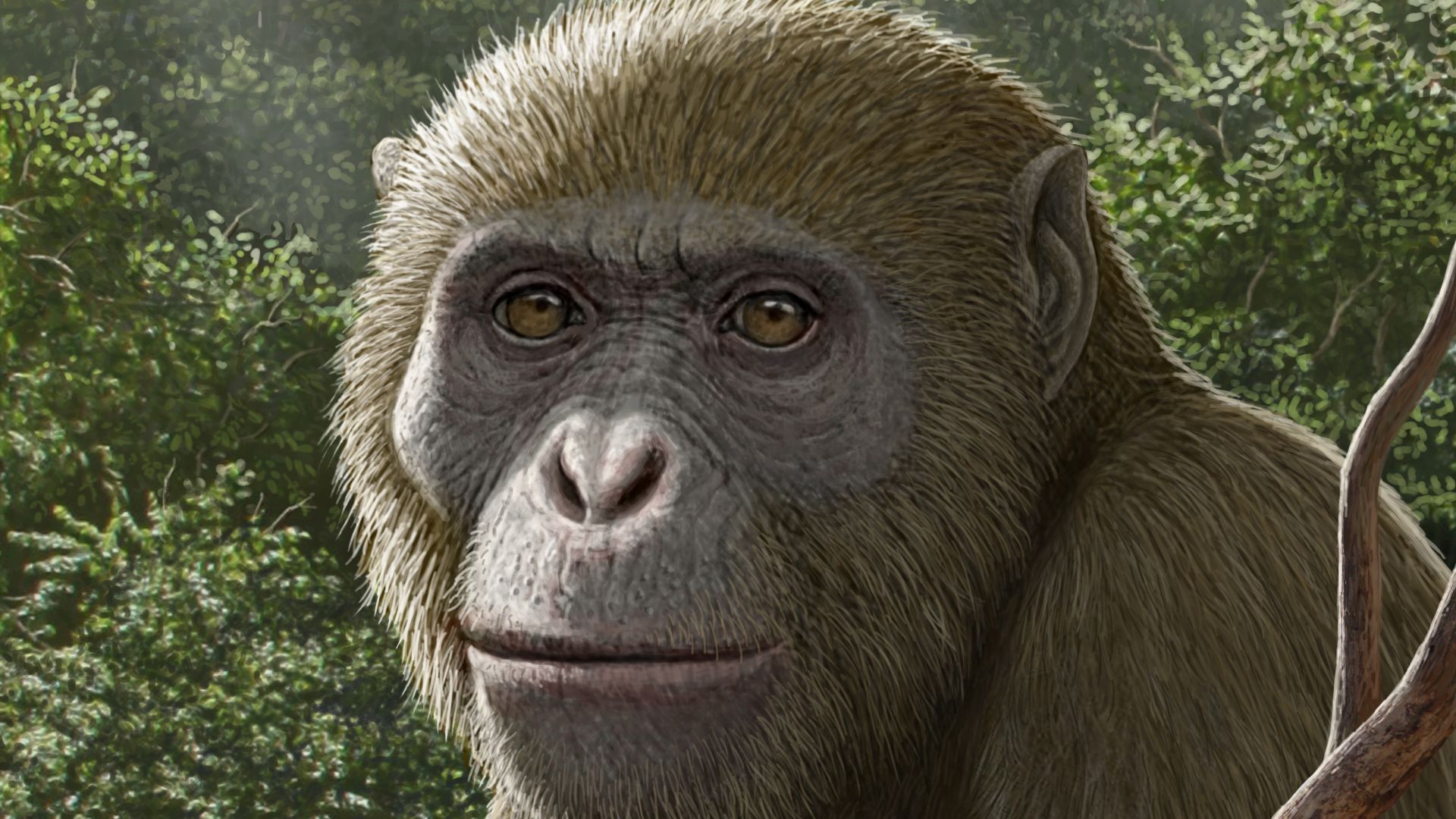
Ancient Ape Fossils Unearthed in an Unlikely Corner of Africa
The ancestor of apes was long thought to come from East Africa, but newly discovered fossils in Egypt may prompt a rethink.
18 million-year-old fossils of ape found in Africa, but in an unexpected place
A remarkable set of fossilized teeth and jaw fragments dating back approximately 18 million years has been unearthed in Egypt's Western Desert, challenging long-held assumptions about where the earliest ancestors of modern apes originated. The discovery, announced by an international team of paleontologists, places an ancient ape species in a region of Africa that scientists had largely overlooked in the search for primate origins. The fossils were recovered from a remote site in the Moghra oasis region, an area better known for yielding fossils of ancient elephants and crocodiles than primates.
For decades, the prevailing scientific consensus has pointed to East Africa as the cradle of ape evolution. Iconic fossil sites in Kenya, Uganda, and Tanzania have produced numerous specimens of early apes, leading researchers to construct a narrative in which these primates evolved and diversified in the forests and woodlands of the East African Rift Valley. The new Egyptian finds, however, suggest that early apes may have been far more widespread across the African continent than previously believed, occupying habitats stretching from the northeast to the east of the continent.
The research team, which includes scientists from several universities across the United States, Egypt, and Europe, published their findings in a peer-reviewed journal this week. According to the lead researchers, the fossils belong to a previously unknown species that shares key characteristics with early ape lineages found in East Africa. Analysis of the surrounding sediment and associated fauna suggests the creature lived in a lush, forested environment vastly different from the arid desert landscape that dominates the region today. This paints a picture of a dramatically different North Africa during the early Miocene epoch.
The discovery has significant implications for understanding primate evolution and migration patterns across ancient Africa. Scientists say it opens the door to the possibility that apes originated in a broader geographic range than the East African corridor, or that they migrated across the continent far earlier than anyone suspected. The team plans to return to the site for further excavations, hopeful that additional fossils may help fill in critical gaps in the evolutionary story of apes and, ultimately, humans. As one researcher noted, the find serves as a powerful reminder that the fossil record still holds countless surprises waiting to be uncovered.