Artemis 2 Heat Shield Passes Critical Re-entry Test with Flying Colors
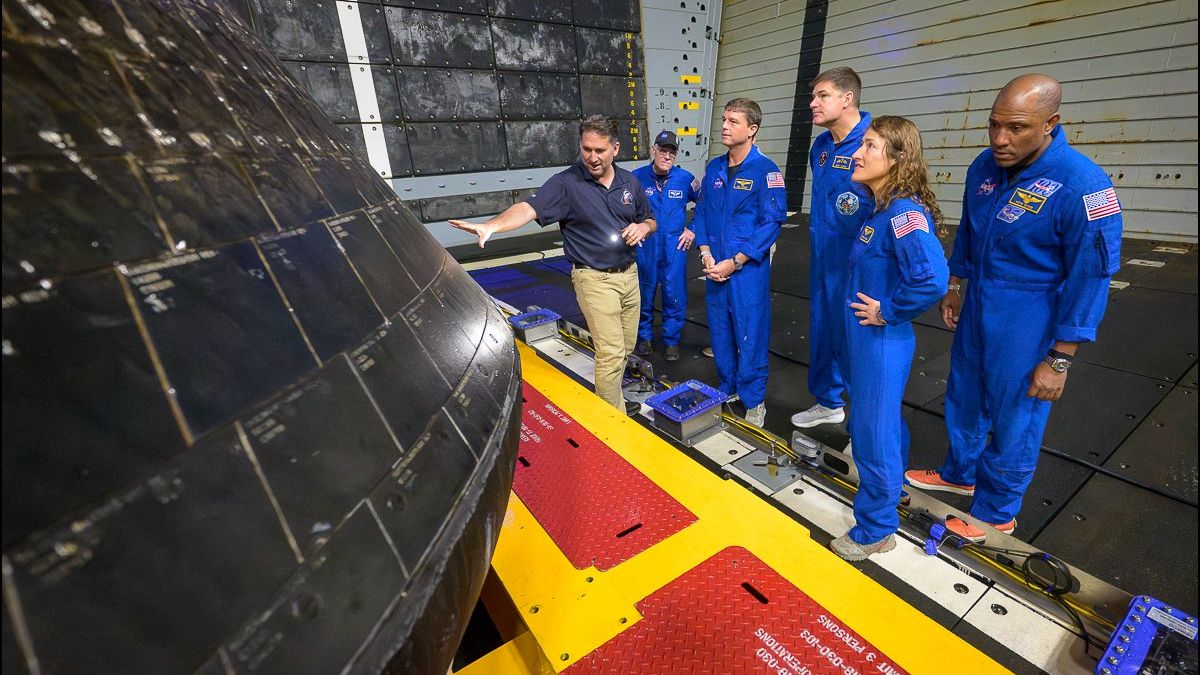
"We leaned under and looked at the bottom of that thing, and for four humans just looking at the heat shield, it looked wonderful to us."
NASA's Artemis 2 mission has cleared a major milestone after its heat shield successfully survived a grueling trial by fire, raising confidence ahead of the program's first crewed lunar flight. Engineers and officials who inspected the capsule following the test came away visibly impressed by what they found.
"We leaned under and looked at the bottom of that thing, and for four humans just looking at the heat shield, it looked wonderful to us," said one NASA official, capturing the relief and excitement felt across the team after the high-stakes evaluation.
The heat shield is one of the most critical components of the Orion spacecraft, designed to protect astronauts from the extreme temperatures generated during re-entry into Earth's atmosphere. Temperatures during a return from lunar orbit can reach thousands of degrees Fahrenheit, placing enormous stress on the protective material.
The test results are particularly significant given that a previous uncrewed Artemis 1 mission revealed unexpected erosion of the heat shield material, prompting engineers to conduct an extensive review and implement design refinements before clearing the hardware for human spaceflight.
NASA engineers will now conduct more detailed analysis and instrumentation reviews to confirm what initial visual inspections have suggested. The agency has emphasized that data-driven validation will be essential before granting final flight certification for the crewed mission.
Artemis 2 is expected to carry four astronauts on a journey around the Moon, marking humanity's first crewed lunar voyage since the Apollo 17 mission in 1972. The mission represents a cornerstone of NASA's broader strategy to return humans to the lunar surface and eventually push farther into deep space.