Artemis Astronauts Will Soon Face Complete Isolation Behind the Moon — Here's What That Means
For as reassuring as it may be to know you have a world-spanning team of geniuses overseeing your well-being, the Artemis crew has to get a little annoyed by mission control sometimes, right? They’re constantly in your ear and up your butt. They’re nagging yo…
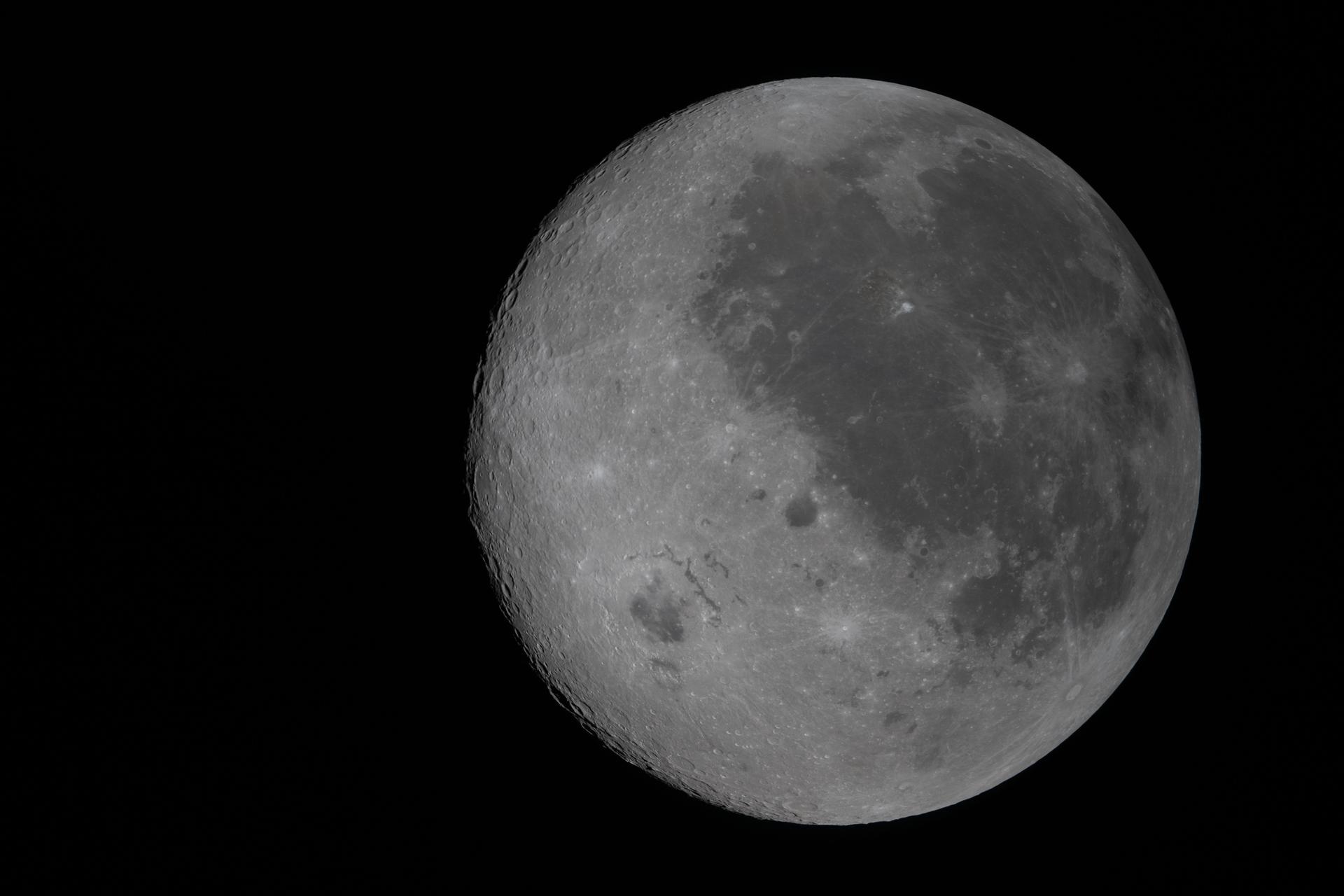
When the Artemis crew eventually swings behind the Moon, they will experience something no amount of training can fully prepare them for: absolute silence from Earth. For roughly 30 to 45 minutes, all communication with mission control will be cut off, leaving the astronauts entirely on their own in one of the most remote locations any human has ever occupied.
Mission control is an ever-present force in the lives of astronauts. From the moment a crew straps into a capsule, a vast network of engineers, flight directors, and specialists monitors every heartbeat, every system reading, and every decision. It can be reassuring — and, if astronauts are being honest, more than a little suffocating.
But behind the Moon, that safety net disappears entirely. No voice in the earpiece. No data uplink. No one watching the screens. Just the crew, the spacecraft, and the stark lunar farside stretching out in every direction. It is the most profound communications blackout in the history of human spaceflight.
NASA has spent years preparing astronauts for this psychological reality. Crews train for autonomous decision-making, practicing how to diagnose and resolve critical system failures without guidance from the ground. The agency knows that behind the Moon, hesitation caused by waiting for an answer that cannot come could be catastrophic.
There is also something unexpectedly philosophical about the experience. Apollo astronauts who orbited the Moon described the farside pass as deeply moving — a moment of total separation from humanity, where the Earth itself vanishes from view. For Artemis crews venturing even deeper into lunar operations, that sensation will be amplified.
The question of what astronauts would actually do in those silent minutes — whether to revel in the freedom, manage anxiety, or simply focus on the checklist — speaks to the deeply human side of space exploration. Behind all the technology and mission protocols are people doing something extraordinarily difficult, occasionally without anyone watching over their shoulder.
As NASA pushes toward returning humans to the lunar surface and eventually setting sights on Mars, the ability to operate autonomously will only grow more critical. The Moon is a rehearsal. Mars will mean communication delays of up to 24 minutes each way, making mission control effectively useless in any emergency. What astronauts do behind the Moon today is practice for the profound isolation of deep space tomorrow.