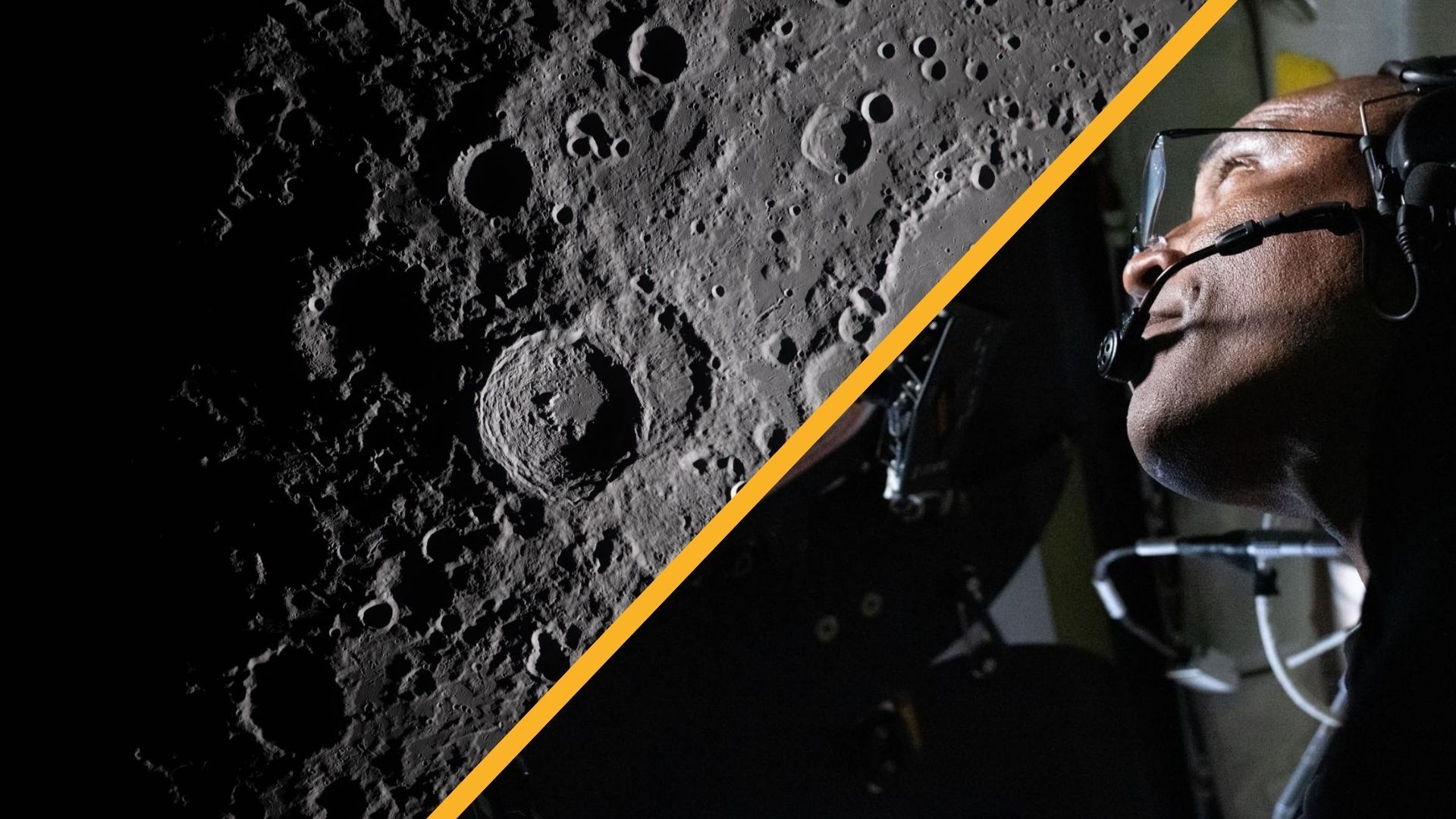
Artemis II Crew Spots Meteor Flashes on the Moon, Sending Scientists Into a Frenzy
Meteorite strikes spotted on the moon by the Artemis II crew will help scientists assess dangers to future moon bases, infrastructure, and astronauts.
The Artemis II mission has delivered an unexpected scientific windfall: crew members spotted visible meteor impact flashes on the lunar surface, triggering what one scientist described as 'audible screams of delight' among researchers back on Earth.
The observations mark a rare and valuable opportunity for scientists studying the hazards of the lunar environment. Meteorite strikes on the moon occur with no atmosphere to burn up incoming space rocks, meaning even small impactors can produce dangerous shockwaves, debris fields, and craters on the surface.
Data gathered from the sightings will help researchers build more accurate models of how frequently meteorites strike the moon and how powerful those impacts can be. That information is considered critical for designing safe habitats, infrastructure, and equipment for future long-duration lunar missions.
NASA and its international partners are already planning permanent or semi-permanent installations on and near the moon as part of the broader Artemis program. Understanding the meteorite impact rate is essential to determining how much shielding lunar bases will need and where the safest locations for construction might be.
Scientists noted that ground-based observatories have previously recorded lunar impact flashes using telescopes, but firsthand observation by astronauts in lunar orbit provides a new level of detail and context that automated systems cannot fully replicate.
The Artemis II mission, which is sending a crew around the moon for the first time since the Apollo era, continues to yield scientific discoveries beyond its primary objectives. Researchers say the meteor flash data could influence the engineering specifications for the lunar Gateway space station and future surface outposts.
Mission scientists plan to analyze the observations thoroughly and cross-reference them with existing lunar impact databases. The findings are expected to be published and shared with the broader planetary science community in the months ahead.