Asteroids Keep Yielding DNA Building Blocks—And Scientists Are Taking Notice
This week's result is just the latest in a growing collection of discoveries.
We keep finding the raw material of DNA in asteroids—what's it telling us?
Scientists have once again discovered the fundamental building blocks of DNA within asteroid samples, adding to a mounting body of evidence that the ingredients for life may have been delivered to Earth from space. This week's result represents the latest in a growing collection of discoveries that have progressively strengthened the case for an extraterrestrial origin of some of life's most essential molecules. Researchers have now identified all five nucleobases used in DNA and RNA within meteorite samples and asteroid material returned by space missions, raising profound questions about how life first emerged on our planet billions of years ago.
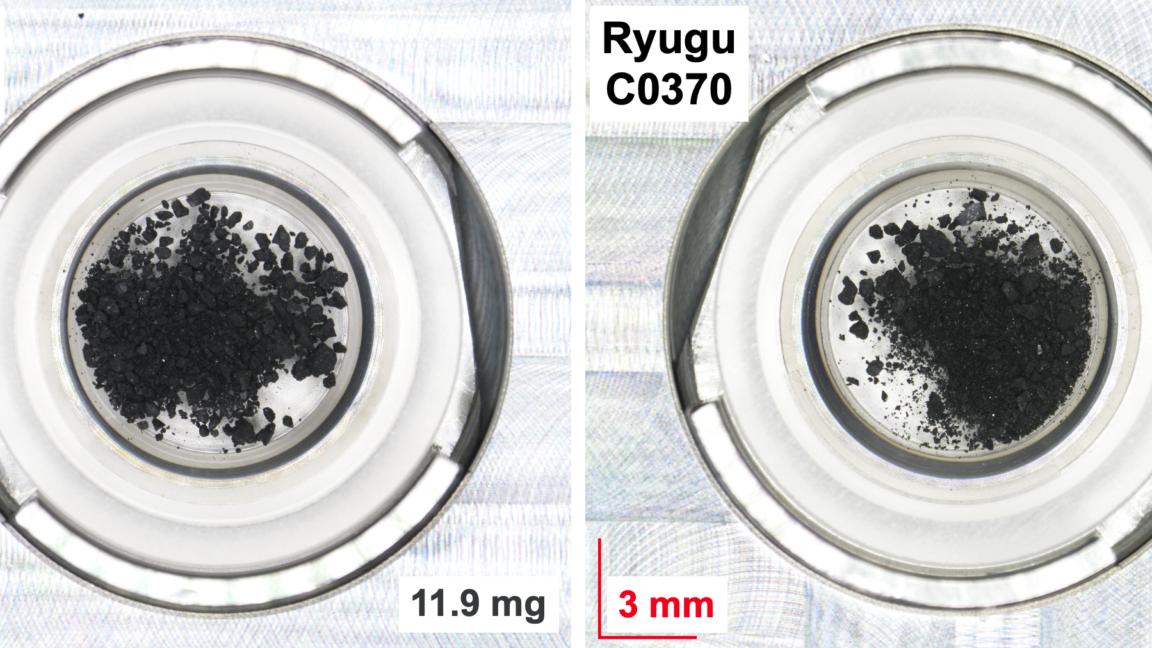
The discoveries have been building over several decades, but recent advances in laboratory techniques and the successful return of pristine asteroid samples by missions such as Japan's Hayabusa2 and NASA's OSIRIS-REx have accelerated the pace of findings. Unlike meteorites, which can become contaminated after landing on Earth, these carefully collected samples offer scientists an uncontaminated window into the chemical composition of ancient space rocks. The ability to study such pure material has given researchers far greater confidence that the organic molecules they are detecting are genuinely of extraterrestrial origin rather than the result of terrestrial contamination.
The implications of these findings extend well beyond chemistry. If the raw materials of genetic code were being produced in space and distributed widely by asteroids and comets, it suggests that the preconditions for life may not be unique to Earth. This raises the tantalizing possibility that similar processes could have seeded other planets and moons throughout the solar system and beyond with the molecular ingredients necessary for biology to take hold. Scientists caution, however, that having the building blocks available is only one step in the enormously complex process of generating living organisms.
While many questions remain unanswered, the steady accumulation of evidence pointing to space as a source of prebiotic molecules is reshaping our understanding of life's origins. Researchers plan to continue analyzing returned asteroid samples with increasingly sophisticated instruments, hoping to uncover even more complex organic compounds. Each new discovery brings scientists closer to understanding whether life on Earth was truly a homegrown phenomenon or whether it received a critical assist from the cosmos, carried aboard ancient rocks that wandered through the solar system for millions of years before finding their way to our planet's surface.