Astronomers Warn Massive Star May Be on the Brink of a Supernova Explosion
A massive star’s sudden transformation may signal an approaching supernova.
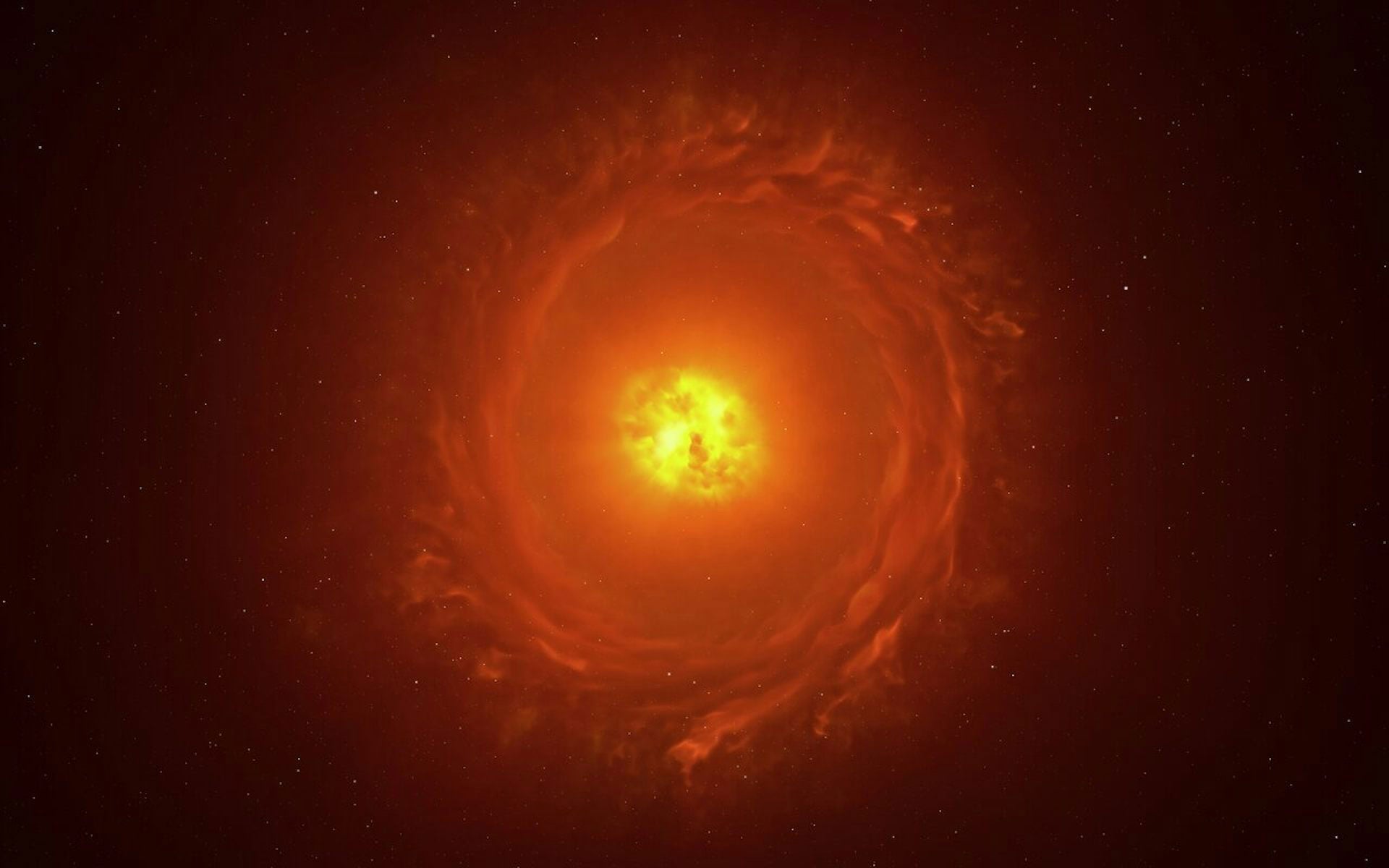
Astronomers are closely monitoring one of the largest known stars in the universe after detecting a dramatic and sudden transformation that may signal an imminent supernova explosion. The celestial giant has exhibited unusual behavioral changes that scientists say could be the precursor to one of the most powerful events in the cosmos.
Supernovae occur when massive stars exhaust their nuclear fuel and collapse under their own gravity, releasing an enormous burst of energy that can briefly outshine entire galaxies. Researchers believe this particular star may be entering the final stages of its life cycle, based on observed changes in its brightness, color, and spectral signature.
The phenomenon mirrors what astronomers witnessed before the famous supernova SN 1987A, which exploded in the Large Magellanic Cloud and provided scientists with invaluable data about stellar death. Detecting these precursor signs in real time gives researchers an unprecedented opportunity to study a supernova before, during, and after its detonation.
Scientists have noted that the star appears to have undergone significant mass loss and surface instability, both recognized warning signs that a stellar explosion may be approaching. Advanced telescopes and space observatories are now trained on the target around the clock to capture any further developments.
While the exact timing of a supernova remains notoriously difficult to predict, researchers are optimistic that continued observation will yield critical insights into the mechanics of stellar evolution. If the explosion occurs within observable range, it could represent one of the most significant astronomical events in modern history.
The broader scientific community has been alerted, and collaborative observation networks are being coordinated to ensure no phase of the event is missed. For astronomers, the chance to witness a massive star's final moments in real time is considered a once-in-a-generation scientific opportunity.