Chinese Moon Lander Discovers Massive Radiation Cavity Between Earth and the Moon
A new study using data from China's Chang'e-4 moon lander found an area of reduced radiation from cosmic rays near the moon. The findings could be used to improve the safety of lunar explorations.
Chinese moon lander reveals giant 'cavity' of radiation between Earth and the moon
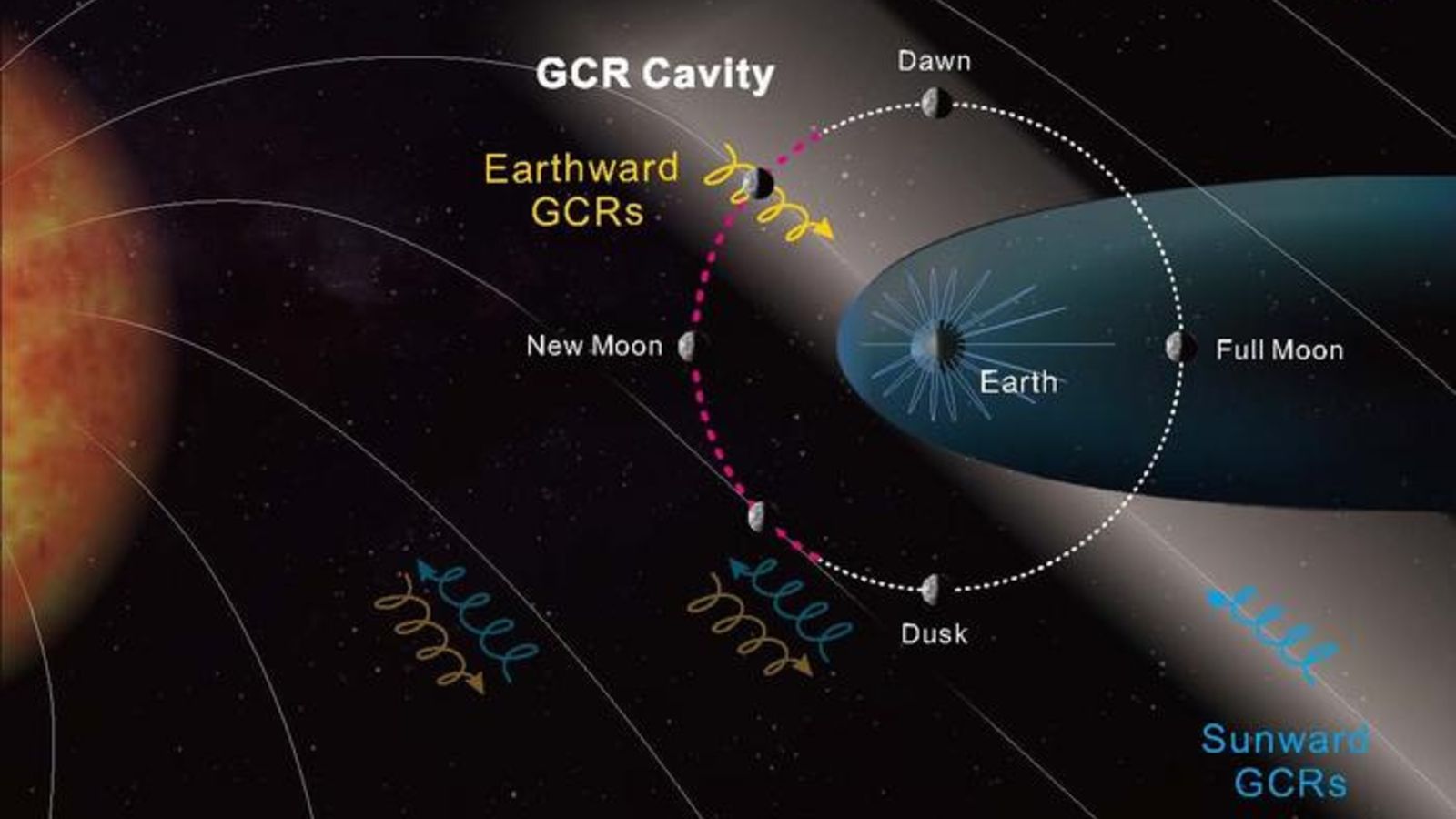
Scientists analyzing data from China's Chang'e-4 lunar lander have discovered a massive region of reduced cosmic ray radiation situated between Earth and the moon. The groundbreaking finding, published in a recent peer-reviewed study, reveals that this so-called radiation cavity could have significant implications for the future of space exploration and the safety of astronauts traveling beyond low Earth orbit.
The discovery was made possible by instruments aboard the Chang'e-4 lander, which made history in 2019 as the first spacecraft to successfully land on the far side of the moon. Researchers found that as cosmic rays travel through space, certain interactions with the solar wind and magnetic fields create a zone where radiation levels are notably lower than expected. This cavity-like region represents a surprising gap in the otherwise intense bombardment of high-energy particles that permeate interplanetary space.
The implications of this discovery are particularly relevant for upcoming crewed lunar missions, including NASA's Artemis program and China's own ambitious plans to establish a permanent lunar base. Cosmic radiation poses one of the greatest health risks to astronauts on long-duration missions, increasing the likelihood of cancer, cardiovascular disease, and neurological damage. Understanding where radiation levels dip could allow mission planners to design safer trajectories and optimize the timing of spacewalks and surface operations.
Researchers say that further study is needed to fully characterize the boundaries and behavior of the radiation cavity, which may shift and fluctuate depending on solar activity cycles. Additional data from future lunar missions and deep-space probes will help scientists build more accurate models of the radiation environment between Earth and the moon. The team behind the study emphasized that these findings represent an important step toward making sustained human presence on and around the moon a safer and more achievable goal.