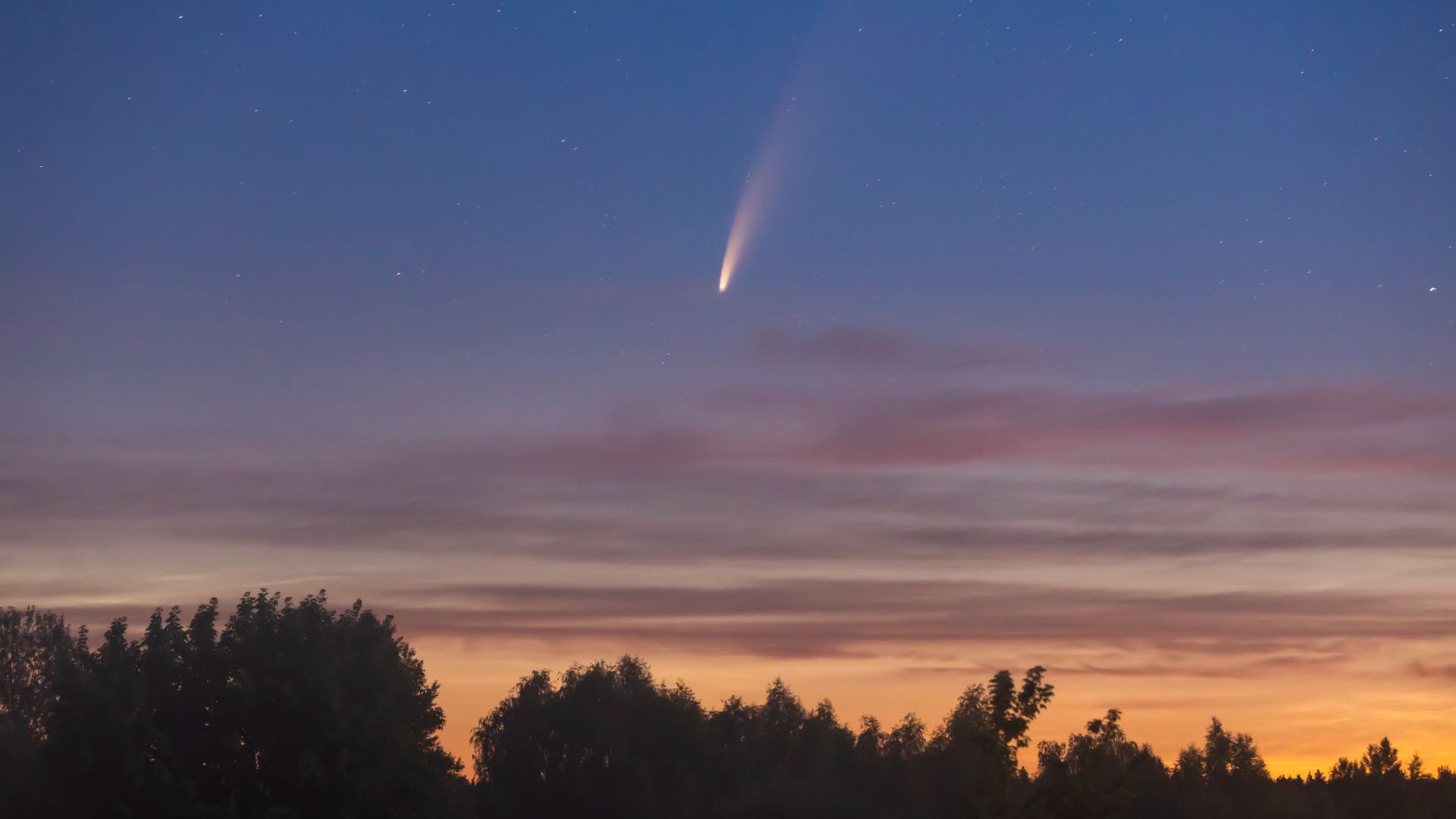
Comet PanSTARRS Could Dazzle Skywatchers as It Races Toward the Sun This Week
Comet C/2025 R3 (PanSTARRS) could be visible to the naked eye in the predawn sky after April 13 as it makes a close approach to the sun.
A newly discovered comet is generating excitement among astronomers and stargazers alike, with some daring to ask whether it could become the next great comet visible to the naked eye. Comet C/2025 R3 (PanSTARRS) is currently brightening as it makes a close approach to the sun, and observers may be able to spot it in the predawn sky starting after April 13.
Discovered by the Panoramic Survey Telescope and Rapid Response System, known as PanSTARRS, the comet has been steadily gaining brightness as it approaches perihelion — its closest point to the sun. This solar proximity causes the comet's icy nucleus to heat up and release gases and dust, forming the glowing coma and tail that make comets such a spectacular sight.
Skywatchers hoping to catch a glimpse should look toward the eastern horizon in the hours before sunrise. While early estimates suggest the comet may reach naked-eye visibility, experts caution that comets are notoriously unpredictable and can either exceed expectations or fizzle out without warning. Binoculars or a small telescope will improve your chances of spotting it.
For the best viewing experience, find a location far from city lights with a clear, unobstructed view of the eastern horizon. Allowing your eyes at least 20 minutes to adjust to the darkness will also significantly improve your ability to detect fainter celestial objects.
Astronomers will be monitoring C/2025 R3 closely in the coming days as its brightness data becomes more reliable. Whether it achieves true naked-eye spectacle or remains a target for binocular observers, the comet represents a rare opportunity for the public to witness one of nature's most dramatic celestial events. Keep an eye on updated sky charts and astronomy news outlets for the latest visibility forecasts.