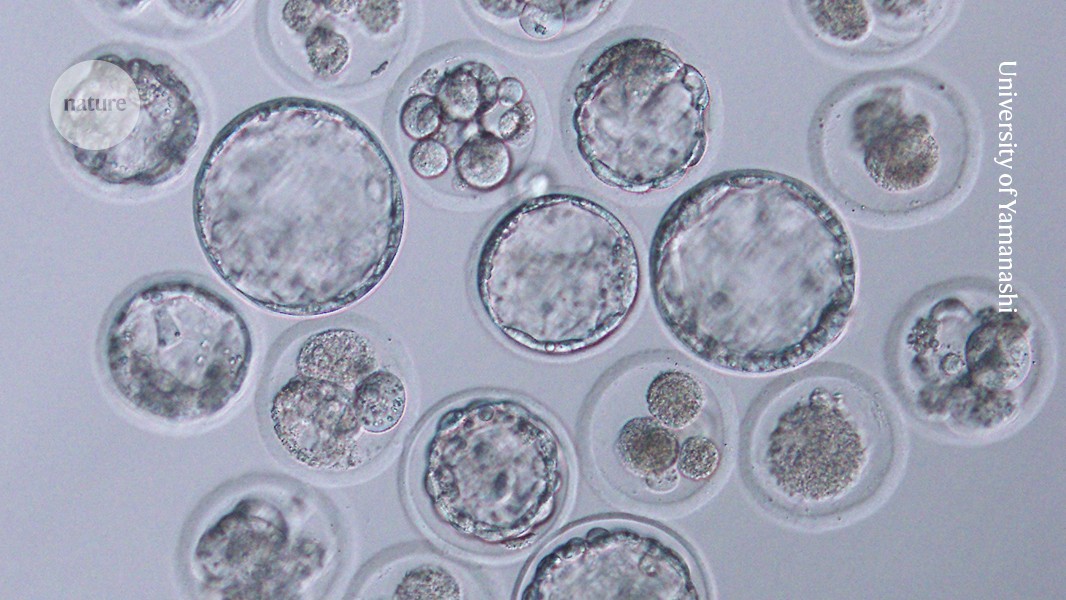
Decades-Long Cloning Experiment Reveals the Limits of Copying Mice
Repeated cloning from a single mouse failed after 58 generations. Researchers say harmful DNA changes are to blame.
Can a mouse be cloned indefinitely? Decades-long experiment has answers.
For decades, scientists have wondered whether an organism could be cloned endlessly, producing identical copies from a single genetic source without limit. A groundbreaking experiment spanning more than 20 years has now provided a definitive answer: no. Researchers working with laboratory mice found that the cloning process broke down irreversibly after 58 consecutive generations, bringing the longest-running serial cloning experiment in history to an unexpected halt.
The project, which began with a single donor mouse, involved taking cells from each newly cloned animal and using them to produce the next generation. For years, the process appeared remarkably stable, with cloned mice being born healthy and viable generation after generation. However, as the generations progressed, scientists began to notice a gradual decline in the health and viability of the cloned animals. Embryos became increasingly difficult to bring to term, and the mice that were born exhibited a growing list of developmental abnormalities.
Researchers have pinpointed the cause of the eventual failure as an accumulation of harmful DNA changes, particularly epigenetic errors, that built up with each successive round of cloning. Unlike natural reproduction, which has built-in mechanisms to reset and repair genetic and epigenetic damage, the somatic cell nuclear transfer technique used in cloning carries forward these molecular imperfections. Over dozens of generations, these small errors compounded into significant genetic disruptions that ultimately made further cloning impossible.
The findings carry significant implications for the broader field of reproductive biology and regenerative medicine. While cloning technology has advanced considerably since the birth of Dolly the sheep in 1996, this experiment underscores fundamental biological limits to the process. Scientists say the results highlight the importance of natural reproductive mechanisms in maintaining genetic integrity and suggest that any future applications of cloning technology will need to account for the inevitable degradation that accompanies repeated copying of a genome.