How Lystrosaurus Outlasted the Deadliest Extinction Event in Earth's History
The small, plant-eating Lystrosaurus thrived post-extinction, while its predators suffocated to death. Its eggs played a critical role.
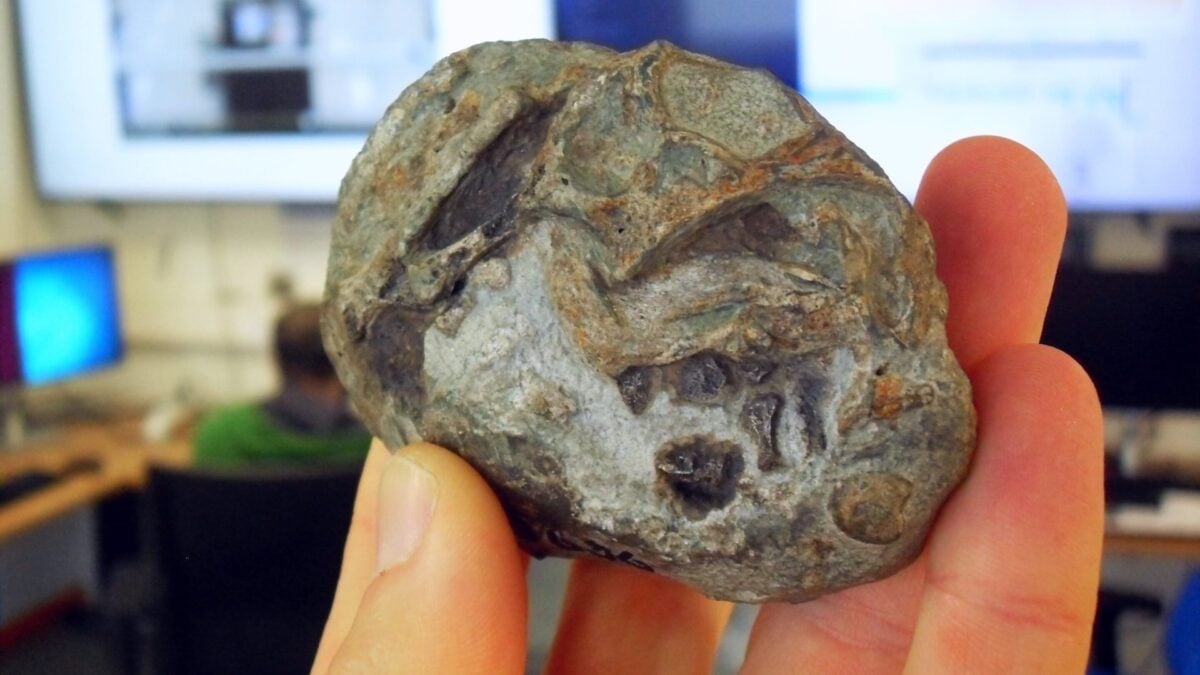
Long before dinosaurs ruled the Earth, a small, pig-sized herbivore called Lystrosaurus earned a reputation as nature's ultimate survivor. When the Great Dying — the most catastrophic mass extinction event in Earth's history — wiped out roughly 90 percent of all species around 252 million years ago, Lystrosaurus not only survived, it thrived. Scientists have long wondered how this unassuming creature managed to outlast nearly everything else on the planet, and new research suggests its eggs may hold the key.
The end-Permian extinction event was triggered by massive volcanic eruptions that flooded the atmosphere with carbon dioxide and methane, stripping oxygen from both air and water. Larger predators, which required substantial oxygen to sustain their bulk, suffocated and perished in staggering numbers. Lystrosaurus, however, possessed a suite of biological advantages that made it remarkably well-suited to the post-apocalyptic world that followed.
Chief among these advantages were its eggs. Researchers believe Lystrosaurus laid large, moisture-rich eggs with a soft, leathery shell — a trait that would prove critical in the harsh, desiccated environments left in the extinction's wake. These wet, flexible eggs could absorb water and nutrients from the surrounding soil, reducing the physiological burden on the mother and improving embryo survival rates even in degraded, oxygen-poor conditions.
The creature's small body size also worked in its favor. Lystrosaurus required far less oxygen and food than the large predators that once hunted it, allowing it to subsist on whatever scrubby vegetation managed to grow in the post-extinction landscape. Its barrel-shaped body and powerful, shovel-like beak were ideal for rooting out tough, low-growing plants.
Paleontologists have nicknamed Lystrosaurus the 'cockroach of the Permian' for good reason. Fossil records show that in the aftermath of the Great Dying, it briefly accounted for as much as 95 percent of all land vertebrates on Earth — a level of dominance almost unparalleled in the fossil record. It essentially inherited a near-empty world and wasted no time filling it.
The new findings shed light not only on Lystrosaurus itself but on the broader question of which biological traits confer survivability during mass extinction events. As scientists increasingly grapple with the implications of modern biodiversity loss and climate change, understanding what made ancient survivors so resilient may offer valuable lessons for predicting which species are most at risk — and which might endure — in the centuries to come.