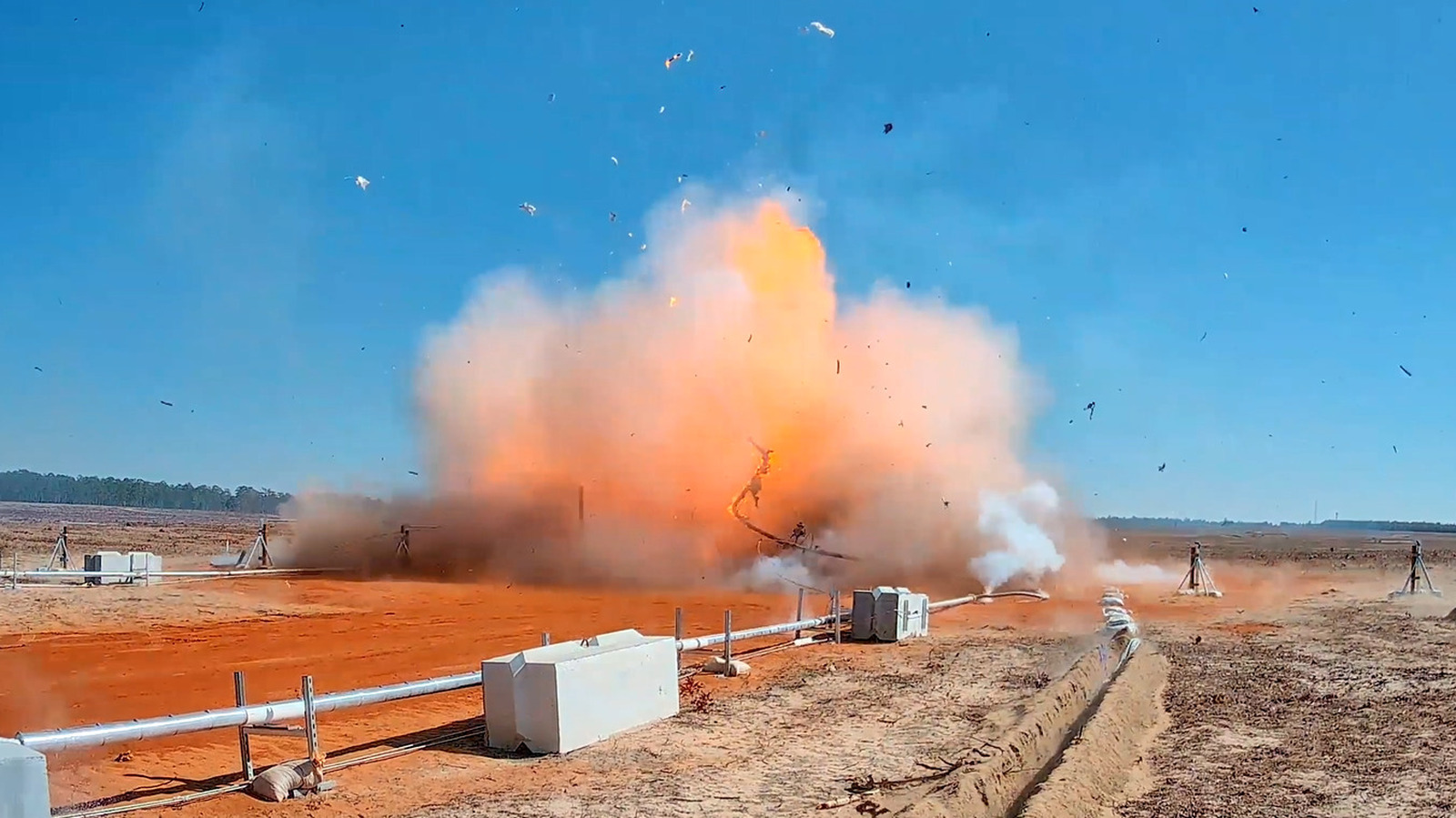
NASA Scraps Conventional Plans, Opts to Detonate Fuel in Bold New Approach
NASA is saying this all with a straight face and pretending this is serious work regarding safety, not merely something it wanted to do because why wouldn't it.
NASA Says Screw All This, Is Just Going To Blow Fuel Up Now
STENNIS SPACE CENTER, MS — After decades of carefully controlled rocket tests, meticulously planned launches, and painstakingly detailed safety protocols, the National Aeronautics and Space Administration announced Tuesday that it will now dedicate a significant portion of its budget to simply blowing rocket fuel up in spectacular fashion. The agency held a press conference to unveil its new Combustion Safety and Thermal Response Initiative, during which officials maintained completely straight faces while explaining that the series of massive, earth-shaking explosions would be conducted in the name of science and public safety.
"What we're doing here is critically important work," said Dr. Janet Reeves, head of NASA's newly formed Rapid Unplanned Disassembly Research Division, adjusting her safety goggles with what witnesses described as barely concealed glee. "By detonating large quantities of liquid hydrogen and liquid oxygen in controlled environments, we are gathering invaluable data on combustion behavior, blast radius modeling, and thermal dynamics. This has nothing to do with the fact that it rules incredibly hard to watch stuff blow up." Dr. Reeves then turned to a monitor showing footage of a 500-gallon fuel tank being vaporized and stared at it for a full 30 seconds without blinking.
Sources within the agency confirmed that the proposal sailed through every level of internal review with unprecedented speed, receiving unanimous approval from engineers, administrators, and the janitorial staff, who were not technically asked but volunteered their enthusiastic support anyway. Budget documents obtained through a Freedom of Information Act request show that NASA allocated $340 million to the initiative, which will involve progressively larger explosions over the next three years, culminating in what internal memos describe only as "the big one." Agency officials insist the escalating scale is necessary for thorough data collection and is absolutely not the result of one engineer saying "but what if we used more" at every planning meeting.
The announcement has drawn bipartisan praise on Capitol Hill, where members of Congress from both parties expressed rare agreement that blowing things up with taxpayer money is a perfectly reasonable use of federal resources. Senator Dale Hutchins of Texas called the program "an inspiring example of American ingenuity" before asking if Congress members could attend any of the detonations in person. NASA confirmed that a visitor viewing platform is already under construction at a safe distance from the blast site, though the agency noted that the definition of "safe distance" is, conveniently, one of the things the program intends to figure out.