Once-in-a-Century Solar Storm Could Cripple Satellites, GPS and Power Grids, Scientists Warn
Scientists outline how a once-in-a-century solar storm could disrupt the technology modern society depends on.
A catastrophic solar storm powerful enough to disable satellites, knock out GPS systems and collapse power grids worldwide remains a genuine threat, according to a new scientific report outlining worst-case space weather scenarios.
Scientists warn that a so-called once-in-a-century solar event — similar in scale to the 1859 Carrington Event, the most powerful geomagnetic storm ever recorded — could unleash a cascade of technological failures that modern society is woefully unprepared to handle.
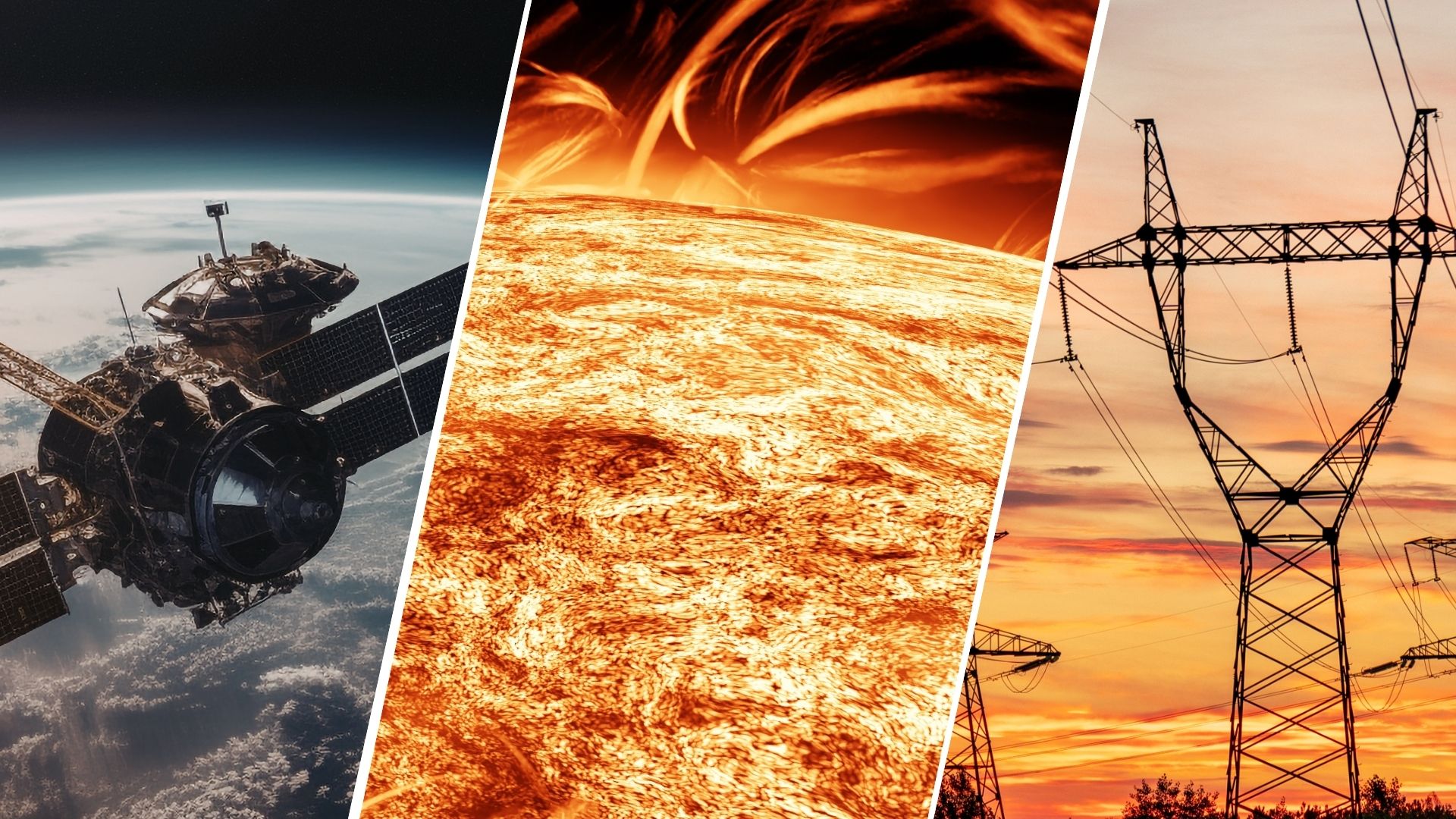
Such a storm would occur when the sun ejects a massive burst of magnetized plasma, known as a coronal mass ejection, directly toward Earth. The resulting geomagnetic disturbance could induce powerful electrical currents in ground-based infrastructure, overwhelming transformers and potentially leaving millions without power for weeks or even months.
Beyond power grids, the report highlights the vulnerability of the satellite networks that underpin global communications, financial transactions and navigation systems. GPS disruption alone could ground aircraft, paralyze shipping lanes and interfere with emergency services that depend on precise location data.
Researchers stress that the risk is not purely theoretical. A 2003 storm, known as the Halloween solar storm, caused blackouts across Sweden and damaged infrastructure in South Africa. A more powerful event narrowly missed Earth in 2012, prompting renewed calls for improved space weather monitoring.
The report urges governments, utility companies and technology firms to invest in hardening critical infrastructure, improving early-warning systems and developing contingency plans. Scientists note that even a few days of advance warning could allow operators to power down vulnerable systems and reduce damage significantly.
While the probability of such an extreme event occurring in any given year is relatively low, experts emphasize that across decades the cumulative risk becomes substantial. With global dependence on technology only increasing, the potential economic and humanitarian toll of inaction, they argue, far outweighs the cost of preparation.