One Lineage Survived: Mass Extinction Wiped Out Nearly All European Neanderthals 65,000 Years Ago
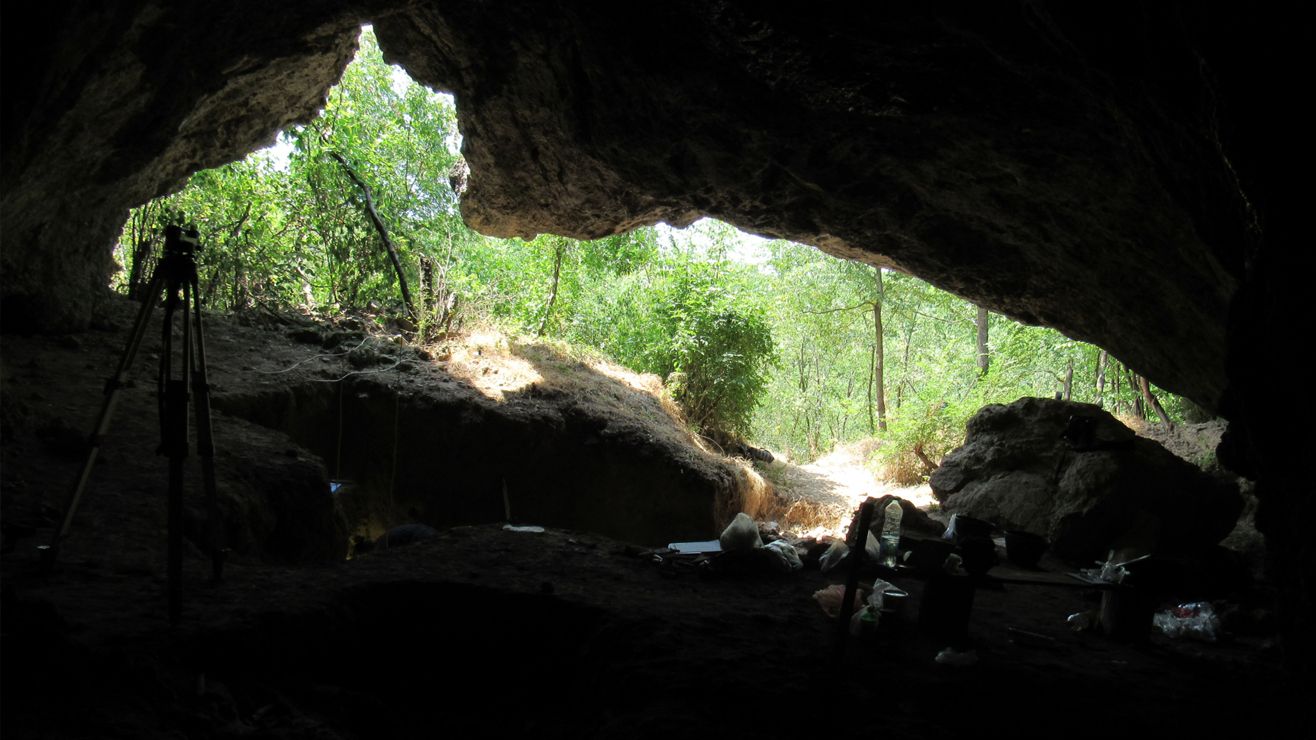
The last Neanderthals to survive in Europe came from a single lineage that survived the worst period of the ice age, ancient DNA reveals.
'Major disruption in Neanderthal history': 65,000 years ago, all Neanderthals in Europe died out except for one lineage
A groundbreaking analysis of ancient DNA has revealed that Neanderthal populations across Europe were almost entirely wiped out around 65,000 years ago, with only a single surviving lineage repopulating the continent in the millennia that followed. The discovery, which researchers are calling a "major disruption in Neanderthal history," paints a dramatic picture of near-extinction during one of the harshest periods of the ice age. Scientists reached their conclusions after examining genetic material extracted from Neanderthal bones found at multiple sites across Europe, spanning tens of thousands of years of evolutionary history.
The research shows that prior to 65,000 years ago, Neanderthal populations in Europe were genetically diverse, with multiple distinct lineages coexisting across the continent. However, extreme climatic conditions during a particularly severe glacial period appear to have decimated these populations, leaving only one lineage to carry the species forward. This surviving group eventually spread back across Europe, meaning that all later Neanderthals on the continent were descendants of this single resilient population. The genetic bottleneck left a clear signature in the DNA record, with a sharp drop in diversity visible in specimens dating from after this critical period.
Scientists believe that plummeting temperatures and the expansion of ice sheets made much of Europe uninhabitable, pushing Neanderthal groups into isolated refugia where most ultimately perished. The one lineage that endured likely survived in a sheltered region where conditions remained just tolerable enough to sustain a small population. While the exact location of this refuge has not been definitively identified, researchers suggest that parts of southern Europe, possibly along the Mediterranean coast, offered the best chances of survival during the most extreme cold.
The findings add a new layer of understanding to the final chapter of Neanderthal existence. Despite recovering from this devastating bottleneck and repopulating Europe, the species ultimately went extinct around 40,000 years ago, not long after modern humans arrived on the continent. Researchers say the earlier near-extinction event may have left Neanderthals more vulnerable by reducing their genetic diversity and limiting their ability to adapt to future challenges. The study underscores how even successful and long-lived species can be brought to the brink by rapid environmental change, offering a sobering parallel to the biodiversity pressures facing the planet today.