Orion Helium Leak Poses No Reentry Risk for Artemis II but Forces Redesign for Future Missions
After leaks on Artemis I and II, Orion's next flight to the Moon will need new valves.
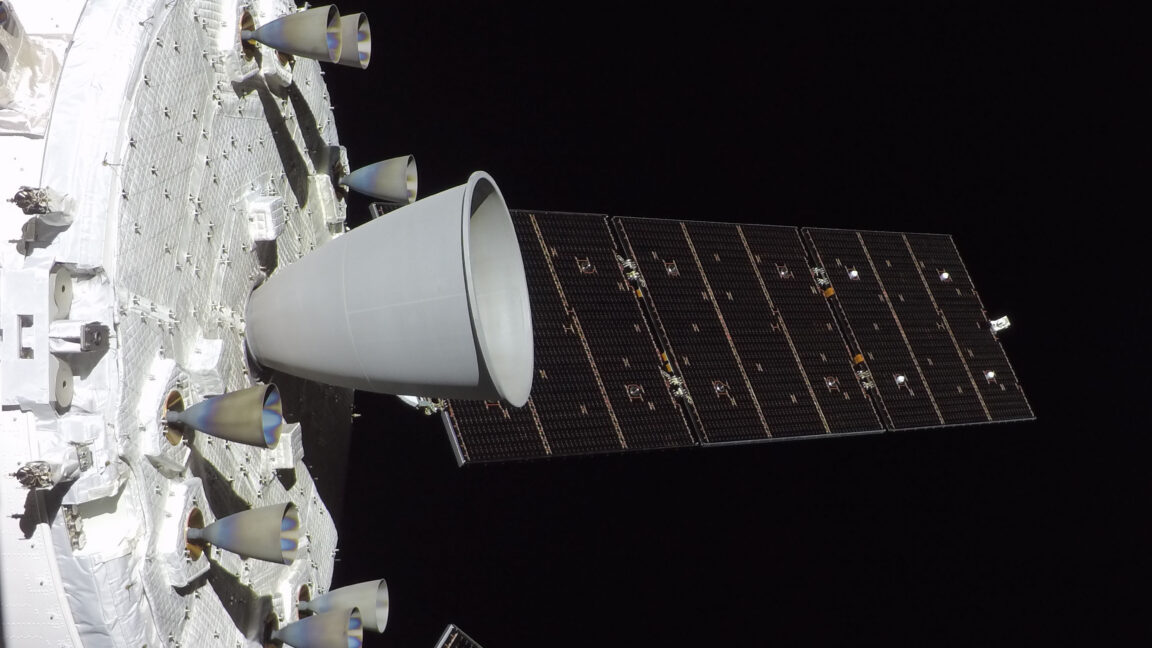
NASA has confirmed that a helium leak discovered in the Orion spacecraft's service module will not endanger the crew or compromise the reentry of the upcoming Artemis II mission, which is set to carry astronauts around the Moon for the first time in over 50 years.
The leak was identified in the spacecraft's pressure system, which uses helium to pressurize the propulsion system. Engineers assessed the severity of the issue and determined that sufficient helium will remain available throughout the planned mission profile, ensuring the crew of four can complete the lunar flyby and return safely to Earth.
This is not the first time Orion has experienced such an issue. A helium leak was also detected during the uncrewed Artemis I mission in 2022, raising concerns about a systemic vulnerability in the spacecraft's valve design. The recurrence of the problem on Artemis II hardware has now prompted NASA and prime contractor Lockheed Martin to commit to a full redesign of the affected valves.
Officials stressed that while the current mission can proceed safely with the existing hardware, the same cannot be said for future, more demanding flights. Artemis III and beyond are expected to involve longer missions and lunar surface operations, where a helium leak of even modest proportions could have far more serious consequences.
Lockheed Martin engineers are already working on replacement valve designs intended to eliminate the root cause of the leaks. The redesigned components are expected to be incorporated into Orion capsules built for Artemis III and subsequent missions, though exact timelines for the engineering changes have not yet been confirmed.
NASA leadership emphasized that crew safety remains the program's top priority and that the decision to proceed with Artemis II reflects rigorous analysis rather than a willingness to accept unnecessary risk. The agency said it will continue to monitor the spacecraft closely in the lead-up to the mission's launch.