Rare Ice Age Discovery Unearthed in Texas Cave
Ice Age fossils found in a Texas cave are giving scientists new insight into the state's ancient past.
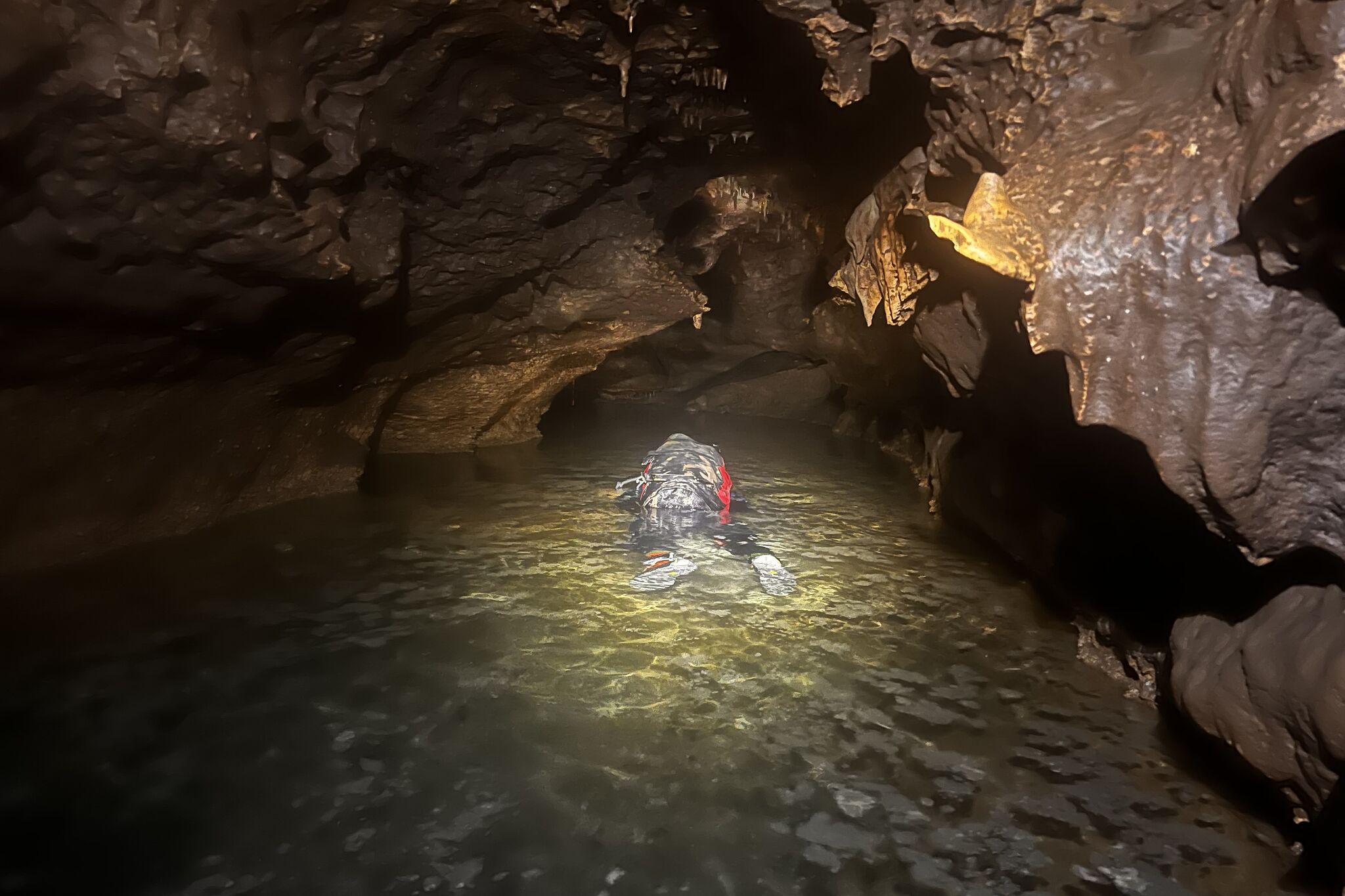
Scientists make rare Ice Age discovery in a Texas cave
A team of paleontologists has uncovered a remarkable collection of Ice Age fossils deep within a limestone cave in central Texas, offering an unprecedented window into the region's ancient ecosystems. The discovery, which includes the remains of several species that roamed the area tens of thousands of years ago, is being hailed as one of the most significant paleontological finds in the state's history. Researchers say the fossils are exceptionally well preserved due to the stable temperature and humidity conditions inside the cave.
Among the fossils recovered are bones belonging to saber-toothed cats, ancient bison, dire wolves, and a nearly complete skeleton of a juvenile mammoth. Scientists believe the animals may have fallen into the cave through a natural sinkhole opening or sought shelter inside during periods of extreme weather. The variety of species found together in one location is providing researchers with a unique opportunity to study the relationships between predators and prey during the late Pleistocene epoch, which ended roughly 11,700 years ago.
The excavation team, led by researchers from the University of Texas at Austin, spent several months carefully extracting the fossils from layers of sediment deep within the cave system. Advanced dating techniques have placed some of the remains at approximately 20,000 to 30,000 years old. The findings are expected to reshape scientific understanding of the biodiversity that once existed across the Texas landscape, which looked vastly different during the Ice Age than it does today.
Scientists plan to continue exploring the cave in the coming months, as preliminary surveys suggest additional fossils may still be buried in unexplored chambers. The recovered specimens will be studied extensively and eventually displayed at a natural history museum for the public to view. Researchers hope the discovery will inspire greater interest in paleontology and highlight the importance of preserving natural sites that hold clues to Earth's distant past.