Rubin Observatory Discovers 11,000 New Asteroids in Early Sky Survey Results
A powerful new sky survey is already transforming asteroid discovery.
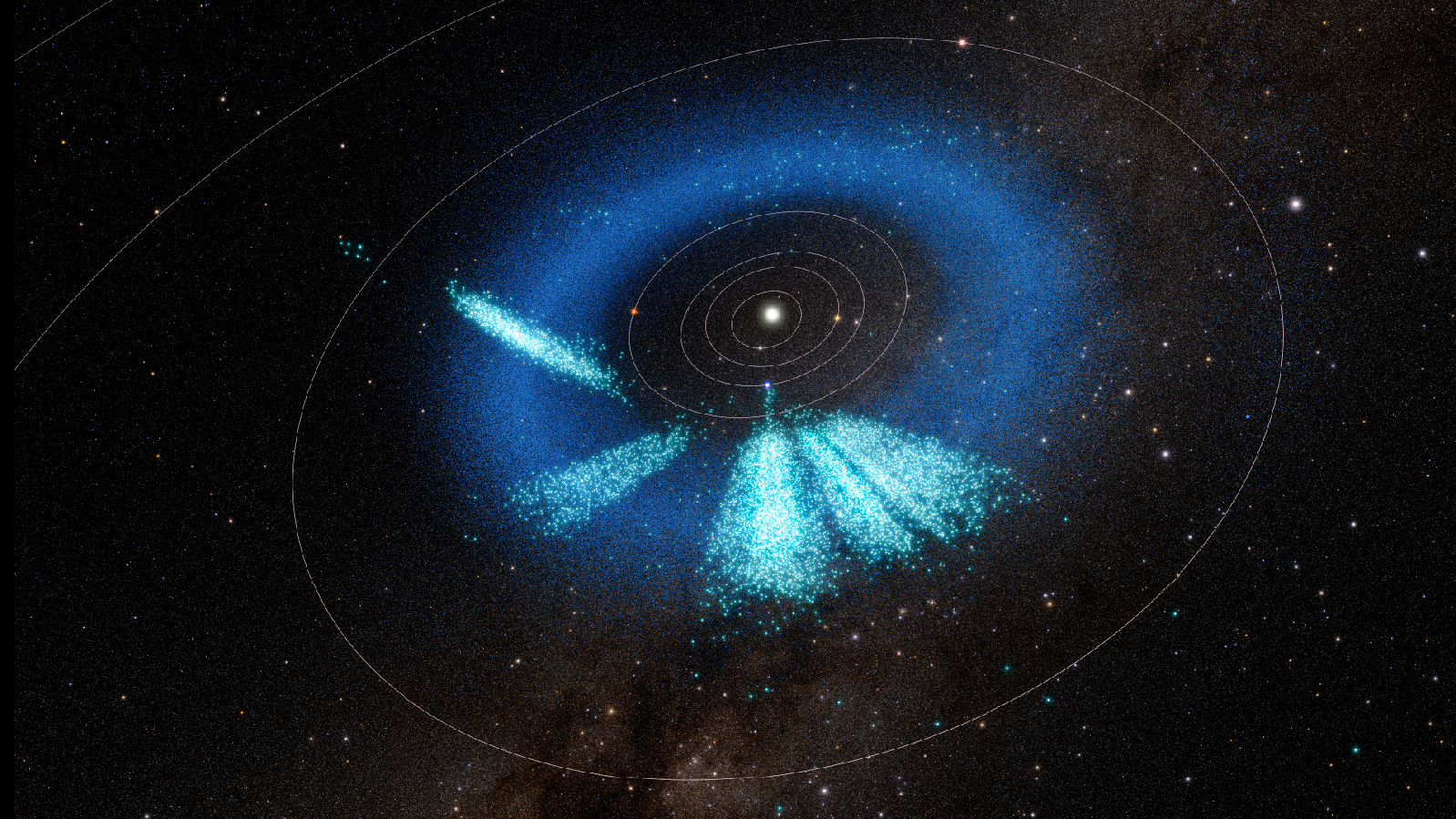
The Vera C. Rubin Observatory has made a stunning scientific debut, identifying more than 11,000 previously unknown asteroids while also measuring tens of thousands of additional space rocks in its first observations of the solar system. The milestone underscores just how transformative the new facility promises to be for planetary science and space safety research.
Located in the mountains of Chile, the Rubin Observatory is equipped with one of the most powerful wide-field cameras ever built, capable of imaging enormous swaths of the night sky in a single exposure. This capability allows it to detect faint, fast-moving objects that older surveys routinely missed, giving astronomers an unprecedented window into the population of near-Earth and main-belt asteroids.
Scientists affiliated with the project say the early results far exceeded expectations, with the observatory's automated detection pipelines processing vast streams of image data and flagging new objects at a rate that would have been impossible using traditional telescope networks. Researchers believe the numbers will only grow as the facility ramps up to full operational capacity over the coming months.
The discoveries carry significant implications beyond pure science. Identifying and tracking asteroids is a critical component of planetary defense efforts, and a more complete catalog of solar system objects gives space agencies and governments a clearer picture of potential impact threats. Experts say Rubin's contributions could fundamentally reshape humanity's understanding of the asteroid population within just a few years of full operation.